30th Annual Child & Adolescent Mental Health Conference (VIRTUAL)
April 26–28, 2026
See your image here: Become a sponsor

- About Our 2026 Conference
- 2026 Pricing & Early Bird Rates
- Student & Group Rates
- 2026 Sponsors & Exhibitors
- 2026 Scholarship Opportunities
- 2026 Location (VIRTUAL)
- 2026 CEHs
- Handouts
- Code of Conduct & Chat Guidelines
Join the Minnesota Association for Children’s Mental Health for our 30th Annual Child & Adolescent Mental Health Conference, happening virtually from April 26 – 28, 2026
One of the largest conferences of its kind in the country – we welcome teachers, therapists, psychiatrists, counselors, social workers, infant and early childhood professionals, health care workers, parents and all others who support children prenatal to age 24.
- Up to 18 CEHs
- 3 Days on a virtual platform
Our Early Bird Rate ends February 27!
| CE Amount | Through February 27 | After February 27 |
| 6 CE | $140 | $175 |
| 12 CE | $240 | $300 |
| 18 CE | $340 | $425 |
Special rates are available for students (50% off) and for groups of 5+ from the same organization (10% off). For more details and to receive a unique coupon code, reach out to us at info@macmh.org.
How do I get the student rate?
Our student rate of 50% off the 2026 Annual Child & Adolescent Mental Health Conference is offered to full-time students (8 or more credits) with proof of current enrollment.
Please email a file of your transcript proving your enrollment status to info@macmh.org if you wish to receive a student discount. If you are registering with a group of students, you may use a letter from a professor or other administrator from your institution certifying that all individuals in your group are full-time students in place of an individual transcript.
How do I get the group rate?
Our group rate of 10% off the 2026 Annual Child & Adolescent Mental Health Conference is offered to any group of 5 or more individuals from the same organization planning to attend the conference.
Please email info@macmh.org with the subject line “Group Rate Code: MACMH Con 26” and the name of your organization & expected size of your group to receive a unique coupon code in advance of registration. Groups larger than 12 should email info@macmh.org to request that MACMH register their entire group, ensuring proper invoicing.
Expand your reach, tap into new audiences and get your organization in front of more than 22,000 people within the field of early childhood & mental health when you become an advertising partner for our 2026 Childhood & Adolescent Mental Health Conference.
It’s our 30th year!! We are virtual this year. Our conference will be hosted on Zoom Events and each advertisers, sponsors, exhibitors will have multiple opportunities to interact with virtual attendees.
Click the button to check out our online Spring Conference Store.
Scholarship applications are closed at this time.
The event will be held virtually. This event will be hosted on zoom’s event platform.
Greetings! Some of you may be aware that the Minnesota Association for Children’s Mental Health (MACMH) has experienced a period of significant change and challenge over the past several months. In early fall 2025, the MACMH Board of Directors became aware of a serious issue affecting the organization’s financial stability. The Board immediately began several corrective actions to ensure our viability as an organization. This has led to a significant amount of change internally for our organization as we regroup, reorganize and rebuild. As we navigate this challenging time, we have had to adapt in a number of ways. One significant outcome this year is the decision to move our annual conference to a virtual platform. While this was absolutely not our first choice—especially in our 30th year—this decision was made with careful consideration in regards to our current resources. MACMH staff and our Board of Directors unite in grief over the loss of those who were integral to leading this conference and are no longer with MACMH. We are deeply grateful for their thoughtful preparation and organization, which will make it possible for us to deliver a meaningful and high-quality virtual conference. We recognize this may be disappointing. We greatly value the opportunity to gather in person and know that learning and connection are strongest when we share space together. Our intention is to return to an in-person conference in 2027 with a big celebration! As we do this rebuilding work, we are reminded that MACMH has always been a community-driven organization. We cannot do this work alone, especially now! We are grateful for your understanding and flexibility during this time AND we’re asking for your continued support as the community that stands with us in this mission. Your participation and partnership truly make a difference. We are dedicated to re-building an organization that is sustainable, strategic, transparent, rooted in the truths we know about mental health, informed by our vast network of professionals, and able to support children, youth, families across Minnesota long into the future!
Our children’s mental health conference is designed to meet continuing education requirements for many disciplines. Certificates will be distributed after completing an evaluation following the conference. Authorizing boards may contact the MACMH office at any time to audit registration and check-in records.
We are seeking approval for up to 18 CEHs for the conference:
| CODE | MN Board |
| Coming Soon | Minnesota Board of Behavioral Health and Therapy LPC/LPCC |
| Coming Soon | Minnesota Board of Behavioral Health and Therapy LADC |
| Coming Soon | Minnesota Board of Marriage & Family Therapy |
| Coming Soon | Minnesota Board of Social Work |
| Coming Soon | Minnesota Board of Psychology |
| Self Submit | Minnesota Department of Education |
| Coming Soon | Board of School Administrators – BOSA |
The following boards do not require pre-approved CEHs. CEHs should be approved upon independent submission to your board:
+ MN Board of Education
+ MN Nursing Board
+ ND Board of Social Work
Those seeking a Board of School Administrators certificate should contact info@macmh.org.
Professionals in other related disciplines, as well as those working outside of Minnesota, can submit CEH certificates to their corresponding boards for independent approval.
Actual CEH amounts will be dependent upon your specific licensure board and attendance.
Handouts will be available inside the workshops on zoom events.
Here is a link to the Tenets. Available in English & Spanish.
At MACMH, we value the learning opportunities and community that are created during our conferences and events. We care about your mental health, and it is important that our conference provides a safe, inclusive, and welcoming environment for all to learn and engage with one another.
To ensure a positive and productive experience for all attendees, presenters, exhibitors, volunteers, and staff members, please review and adhere to the following policies of our event:
+ Be respectful: Use language that respects people of every culture, race, ethnicity, gender identity, sexual orientation, religion, class, ability and background: avoid profanity and other language that could be offensive.
+ Take responsibility for how your words and actions impact others, as they hold power. Aim to use them to uplift, support, and positively challenge others, rather than tear them down.
+ Speak from your own experience: Use “I” statements as in “I feel,” “I think” and “I want”
+ Honor privacy: Do not share anyone else’s personal information and keep client information confidential.
+ Think before you type: Remember that this webinar and chat thread are being recorded and will be posted online
If a webinar host deems a comment to be inappropriate, harmful or derogatory, the host will send a private message to the attendee. If the harmful comments continue, the attendee may be removed from the Chat function and possibly the webinar.
If you have any questions or concerns, please feel free to contact us.
Thank you for your participation.
2026 Schedule
Sunday, April 26
8:30 am – 1:00 pm
Supervision
8:30 am – 10:30 am
Session 1
10:30 am – 11:00 am
Break
11:00 am – 1:00 pm
Session 2
1:00 pm – 1:30 pm
Break
1:30 pm – 2:30 pm
Legislative Update
2:30 pm – 3:30 pm
Author Feature
Monday, April 27
8:00 am – 9:45 am
Keynote
9:45 am – 10:00 am
Break
10:00 am – 11:45 am
Session 3
11:45 am – 12:45 pm
Break
12:45 pm – 2:00 pm
Session 4
2:00 pm – 2:15 pm
Break
2:15 pm – 3:30 pm
Session 5
Tuesday, April 28
8:00 am – 9:45 am
Keynote
9:45 am – 10:00 am
Break
10:00 am – 11:45 am
Session 6
11:45 am – 12:45 pm
Break
12:45 pm – 2:00 pm
Session 7
2:00 pm – 2:15 pm
Break
2:15 pm – 3:30 pm
Session 8
Workshop Details
Sunday, April 26 | Schedule
8:30 a.m. to 1 p.m.
Supervision Series, 8:30am – 1pm (includes 30 min break) | Considerations of Attachment Based Supervision
Considerations of Attachment Based Supervision with Christina Corwin
Supervision is more than a space for skill-building. It is a relationship that shapes how professionals learn, seek support and create a sustainable practice for themselves. This training explores supervision through an attachment-based lens, highlighting how safety, connection, and regulation are foundational in creating sustainability for both the supervisor and supervisee.
Participants will deepen their understanding of attachment theory and its application within supervision, including how relational dynamics influence exploration, risk-taking, and professional growth. Through reflective exercises, discussion, and practical tools, attendees will examine their own attachment styles, identify “hot points” in supervision, and learn strategies to foster both a secure base and safe haven for supervisees.
This session also critically examines the cultural context of attachment theory, inviting participants to consider its limitations and adapt practices in culturally responsive ways. Grounded in ethics and sustainability, this training offers concrete approaches to support supervisee development, reduce burnout, and create sustainability.
- Roots of Attachment Theory
- Tenants of Attachment Supervision
- Attachemnt is a WEIRD Theory -Multicultural
- Why it Matters -Ethics
- Ethical considerations -Ethics
- Where to start
Christina Corwin, MA, LMFT, Board-Approved Supervisor, and Co-Founder—Cedar Valley Center for Child & Family Therapy
Christina is a Licensed Marriage and Family Therapist, Board-Approved Supervisor, and Co-Founder of Cedar Valley Center for Child & Family Therapy. With over 20 years of experience, she specializes in attachment, trauma, and development, helping children and families heal relationships. She also provides training and consultation across Minnesota, supporting professionals in strengthening their clinical and relational skills.
8:30 a.m. – 10:30 a.m. | Session 1 | Workshops 1-5
Workshop 1: Swimming Upstream: An Introduction to Infant and Early Childhood Mental Health
Introduction to Infant and Early Childhood Mental Health with Haeli Gerardy
Level 1 Basic | Ethics Content | Cultural Competency Content
This training offers a foundational introduction to infant and early childhood mental health (IECMH), with a focus on understanding the importance of the birth–5 developmental period for lifelong well-being. Participants will explore how early relationships, environments, and experiences shape outcomes for children, families, and communities.
Grounded in this developmental lens, the session will highlight the range of services and modalities designed to support IECMH—including prevention, intervention, and relationship-based practices—while also examining their effectiveness and, at times, their unintended harm.
Through reflective discussion, participants will also consider how current and historical systems influence the ways care is delivered, inviting deeper awareness of how professionals can navigate, challenge, and work within these systems in support of young children and their caregivers.
- Understand principles of the birth-5 developmental period and its importance for individual, family, and societal well-being
- Recognize common services and modalities used to support infant and early childhood mental health – including their helpfulness and potential for harm
- Improve perspective taking and empathy by considering the impact of systems, environments, and policies on children, families, and the greater good
Haeli Gerardy, MA, Family Engagement Specialist, Mental Health Practitioner & Parent Coach—Fernbrook Family Center
Haeli Gerardy, MA, As a presenter, Haeli blends knowledge and experience from psychological science, a near-decade in community mental health, teachings from various sociopolitical movements (e.g., decolonization, neurodiversity), historically silenced voices, and traditional practices that connect us to the more-than-human world, while weaving in reflections as a late-identified neurocomplex human and mother. Haeli is trained in Attachment & Biobehavioral Catch-up, Circle of Security Parenting, Conscious Discipline, and Managing and Adapting Practice, and she prioritizes compassion, authenticity, and humility in her work. Haeli encourages folks to remember that professional services and supports are just one way to create the village it takes to raise a child, and we’re all in this together.
Workshop 2: Creating Space to Think and Feel: Reflective Supervision in Practice
Creating Space to Think and Feel: Reflective Supervision in Practice with Tracy Schreifels
Level 1 Basic | For Everyone | Lecture with breakout rooms & Q/A |
Supervisory Content
Reflective Supervision/Consultation (RS/C) creates intentional space for professionals to slow down, think together, and explore the emotional impact of their work with children and families. Grounded in Infant Mental Health principles, this session introduces the purpose and practice of reflective supervision, including reflective functioning, parallel process, and relationship-based learning.
Participants will explore how reflective supervision supports resilience, reduces burnout, and strengthens their ability to stay present in complex work. Through guided reflection and discussion, attendees will gain practical strategies to integrate reflective practices into their work and support relationship-centered care.
Participants will:
- Describe the core principles of Infant Mental Health and how they inform reflective supervision/consultation practices.
- Explain the purpose and key components of reflective supervision/consultation, including reflective functioning, parallel process, and relationship-based learning.
- Identify practical strategies to integrate reflective supervision principles into their work to support staff development, emotional well-being, and service quality.
Tracy Schreifels, MS, LMFT, IMH-E®—Rivara
Tracy Schreifels, MS, LMFT, IMH-E®, is a Licensed Marriage and Family Therapist and Infant Mental Health Clinical Mentor with over 25 years of experience supporting young children, families, and the professionals who work with them. She is currently providing reflective consultation, training, and therapy services to early childhood and mental health professionals. Tracy previously served as the Co-Founder and Executive Director of Ellison Center, a Minnesota nonprofit dedicated to strengthening parent-child relationships and early mental health. She also serves on the Board of the Minnesota Association for Children’s Mental Health and co-chairs the Infant and Early Childhood Division, advancing reflective practice and trauma-informed care across the field.
Workshop 3: Supervising for Wellness: The Resiliency-Focused Supervision Model in Action
Supervising for Wellness: The Resiliency-Focused Supervision Model in Action with Brenda Mack
This presentation focuses on helping supervisors build and maintain a healthy, resilient workforce that provides effective client and community care. Dr. Mack will 1) examine stress and burnout among helping professionals; 2) explain the Resiliency-Focused Supervision Model © which can be used in the supervisory process; and 3) operationalize the environmental/structural, relational, and work/life self-care domain areas within the model.
Most suited to County child protection workers, case managers, and social workers but also useful for Psychologists, Marriage and Family Therapists, Clinical Social Workers, Counselors.
This presentation is relevant to all professionals who support themselves, their supervisees, or their colleagues in managing stress, preventing burnout, and promoting wellness and resilience. Caregivers may find value in the model’s self-care components and may benefit from understanding the framework that helping professionals use in supervision to foster resilience and enhance the ripple effect on client and community care.
Level 1 Basic | Interactive | Ethics Content | Cultural Competency Content | Culture Responsiveness | Supervisory Content
Participants will:
- describe the principles of the RFSM and its application across supervision settings;
- identify components of supervision that promote cultural humility and strengths-based growth; and
- guide themselves, supervisees, and peers in developing dynamic, individualized self-care plans that evolve over time.
- This interactive presentation equips supervisors and attendees with practical tools to build and maintain a healthy, resilient workforce capable of delivering compassionate, effective care to clients and communities.
Brenda Mack, DSW, MSW, LICSW, Associate Professor in Social Work—Bemidji State University
Brenda M. Mack, DSW, MSW, LICSW is an Associate professor and Program Director at Bemidji State University. The health and well-being of social workers and other helping professionals is the focus of her research and scholarship. Before joining the faculty at BSU, Dr. Mack worked at a community mental health center for twenty years as a program manager, clinical supervisor overseeing a team of 30 mental health professionals, outpatient and in-home therapist, and mobile behavioral health crisis responder.
Workshop 4: Solution Focused BEARS: Discover Your Best Hopes
Solution Focused Bears: Discover Your Best Hopes with Joe Pendleton
Shift your approach from problem-focused to solution-focused with the Solution Focused BEARS approach. This session introduces a practical, empowering, and child-friendly application of Solution-Focused Brief Therapy (SFBT). Learn to use the BEARS (Best hopes, Exceptions, Alternate future, Resources, Scaling) approach to help children identify their strengths, envision positive futures, and discover their best hopes. Attendees will leave with a “BEARS Toolkit” for immediate use of the Solution Focused BEARS approach.
Most benefit for Educators and others working in schools including school social workers and counselors but also useful for Parents and Caregivers.
The Solution-Focused BEARS framework offers a powerful, universally applicable tool for all professions and caregivers because it shifts the focus from dwelling on problems or deficits to identifying and building on strengths, resources, and desired outcomes. This approach cultivates a forward-looking, empowering mindset essential for facilitating growth, motivation, and positive change in any domain.
Level 2: Intermediate | Interactive
Participants will:
- Differentiate between problem-focused and solution-focused approaches and articulate the benefits of a strengths-based perspective in youth mental health.
- Apply the five components of the Solution-Focused BEARS framework— Best hopes, Exceptions, Alternate future, Resources, and Scaling —using specific, child-friendly questions and prompts.
- Integrate the BEARS framework into their professional practice across various settings, including individual counseling, classroom guidance, and parent-teacher interactions.
Joe Pendleton, Eds. School Psychology, SEL Behavior Specialist—Mahtomedi Public Schools
Joe Pendleton (Mr. Joe) is a SEL Behavior specialist in a K-2 building in Minnesota. His Solution Focused journey began two decades ago while recieving his school psychology degree at the University of Wisconsin-River Falls. He spends most of his time at an 8 on a scale of 1-10.
Workshop 5: Social Security: Evaluating Claims for Children with Mental Health Disabilities
Social Security: Evaluating Claims for Children with Mental Health Disabilities with April Weyandt & Tanya Heitzinger
In this presentation, we will share the Social Security Disability evaluation process for children with mental health disabilities. This will include initial eligibility, how Disability Determination Services evaluates child claims and how parents, caregivers and/or others involved with the child can support a successful application. We will offer information regarding Social Security Disability policy and guidance on the forms required during the application process.
Most benefit for Parents and Caregivers but also useful for County child protection workers, case managers, and social workers
We will provide information and/or clarity on the process for applying for SSA benefits and how this applies to children. This will also include providing guidance on completing a successful application and what to expect during the process. We will share how parents/caregivers and others involved with the child can support the process and submit a successful application.
Level 1 Basic | Lecture + Q&A
Participants will:
- Apply presentation content to current roles
- Explain importance of SSA required forms
- Compile multiple ways to advocate for child
April Weyandt, Medical Relations Officer — Minnesota Disability Determination Services (DDS) & Tanya Heitzinger, Medical Relations Supervisor — Minnesota Disability Determination Services
April Weyandt is a Medical Relations Officer with the Minnesota Disability Determination Services. She has served this agency for over 5 years and has extensive experience processing child disability claims. Prior to joining the DDS, she has over 10 years of experience working in the human services field providing direct services to diverse communities in Minnesota.
Tanya Heitzinger has been a with the Minnesota Disability Determination Services for over 17 years. She holds a BA in Criminal Justice and a MA in Organizational Management. As part of Medical Relations, Tanya, strives to provide outreach regarding the Social Security Disability program to the citizen of Minnesota.
11:00 a.m. – 1:00 p.m. | Session 2 | Workshops 6-10
Workshop 6: Psychiatric Pearls for the Non-Prescriber
Psychiatric Pearls for the Non-Prescriber with Joshua Stein
A comprehensive review and update of commonly prescribed medications for the treatment of various mental health disorders, to include depression, anxiety, mood disorders, ADHD, psychosis and others. Emphasis will be placed on providing a framework for understanding psychiatric medications from the non-prescribers point of view. Discussion will include the importance of holistic biopsychosocial treatment and longitudinal support across the ecology of a person for optimal patient outcomes.
Most benefit to Psychologists, Marriage and Family Therapists, Clinical Social Workers, Counselors but also useful for Educators and others working in schools including school social workers and counselors.
A comprehensive review of the most commonly prescribed mental health medications for children/adolescents delivered with the framework for the non-prescriber.
Level 1 Basic | Lecture + Q&A | Clinical Content
Participants will:
- Thorough review of common psychiatric medications prescribed to the school age population
- Clarify benefits, risks, adverse events and side effects including increased suicidal thoughts and mania
- Learn how to “check in,” to build compliance and insight for your client
Joshua Stein, MD, Child and Adolescent Psychiatrist—PrairieCare/Psychiatric Assistance Line
Dr. Joshua Stein, a 2023 Minneapolis Magazine Rising Star Physician, is the clinical director at the PrairieCare Brooklyn Park Partial Hospital Program (PHP) practicing as a general and child adolescent psychiatrist. As part of the award-winning Psychiatric Assistance Line, providing psychiatric education and support to primary care physicians throughout the state to expand access to psychiatric resources. He is a dynamic speaker, covering topics including ADHD, psychotropic interventions and suicide awareness & prevention. In addition, he is the former president of the Minnesota Society for Child Adolescent Psychiatry and a local and national advocate for children’s mental health needs.
Workshop 7: Building Resiliency for Caregivers
Building Resiliency for Caregivers with Russ Turner
Caregiving is rewarding but demanding, often leading to stress and vicarious trauma. This session equips caregivers with tools to sustain their well-being by exploring the “why” behind their role, recognizing stress signals, and strengthening the pillars of their physical health. Participants will learn strategies for managing acute and chronic stress while cultivating a growth mindset and positive thinking for long-term resilience.
Most benefit for Parents and Caregivers but also useful for Educators and others working in schools including school social workers and counselors.
Caregiving and professional roles share common stressors—emotional demands, high responsibility, and exposure to trauma. This session equips participants from all fields with strategies to manage stress, maintain physical wellness, and build resilience. By fostering a growth mindset and positive thinking, attendees learn practical tools to sustain well-being and effectiveness in any caregiving or professional context.
Level 2 Intermediate | Lecture + Q&A
Participants will:
- Explain the underlying motivations for caregiving and their connection to resilience and well-being.
- Identify stressors, warning signs of vicarious trauma, and strategies for managing acute and chronic stress.
- Apply principles of physical wellness and a growth mindset to foster positive thinking and long-term resilience
Russ Turner, MA, MS, Director—People Incorporated Training Institute
Russ Turner is the Director of the Training Institute at People Incorporated Mental Health Services, where he has led workforce development initiatives for nearly two decades. He has created and delivered hundreds of high-impact training sessions for professionals across various sectors, including healthcare, law, education, government, and nonprofit organizations. Russ specializes in translating complex interpersonal and organizational challenges into practical, engaging learning experiences that resonate across industries and promote best practices from behavioral health.
Workshop 8: Understanding and Coping with Secondary Trauma as Helping Professionals
Understanding and Coping with Secondary Trauma as Helping Professionals with Rose Reed-Townsend & Saleha Erdmann
Secondary trauma is a normal experience for anyone with high exposure to the suffering of others, and is especially prevalent for mental health providers in Minnesota as we navigate the current socio-political climate and collective trauma of the last few months and years. This session will support participants in recognizing signs of secondary trauma, practicing meaningful self and community care, and exploring ways we can collectively move towards post-traumatic growth.
- Define trauma, secondary trauma, moral injury, burnout, and post-traumatic growth.
- Increase understanding of how the above concepts interact with and influence each other.
- Understand and recognize common secondary trauma responses.
- Explore ways of cultivating post-traumatic growth across micro, mezzo, and macro levels.
Rose Reed-Townsend, MSW, LICSW, Mental Health Support Specialist—Project for Pride in Living & Saleha Erdmann, LICSW—Cattail Therapy
Rose Reed-Townsend (MSW, LICSW) is the mental health support specialist at Project for Pride in Living’s two contract alternative high schools, Loring Nicollet and MERC. Rose has been working in adolescent mental health for the last five years, and is passionate about supporting young people’s mental health as well as finding ways for emotionally challenging work to be joyful and sustainable. In addition to her direct work with students, Rose provides regular professional development trainings around mental health, burnout, and secondary trauma to her colleagues at Project for Pride in Living.
Saleha Erdmann (prounouned SAH-la-ha) (she/her) is a licensed independent clinical social worker with experience providing therapy, clinical supervision, training, and consultation for individuals, families, and organizations. She speaks English (native speaker) and Spanish (non-native speaker). Her work is grounded in an understanding of intersectional identity and a commitment to healing justice. Her clinical practice is informed by client-centered, attachment and trauma theories within an ecosystems model.
Workshop 9: Building Stamina as White Folks in Antiracist Movements – Live Only – Will Not Be Recorded
Building Stamina as White Folks in Antiracist Movements with Carly Riley & Marianne Hunkin
THIS SESSION WILL NOT BE RECORDED
This session is designed to address specific ways in which white, white passing, and white presenting folks can uproot white dominant culture and develop stamina for sustained engagement in antiracist movements. In this session we seek to offer tools to work in authentic solidarity with People of the Global Majority, and aid in long-term planning and integration of antiracism into our everyday lives
Level 1-2 (basic-intermediate) | Lecture with breakout rooms & Q/A | For Everyone | Cultural Competency Content
NOTE: This session will only be available live. It will not be recorded
Participants will:
- Raising awareness of the barriers that may get in the way of authentic,
antiracism activism - Building culture and connections with other white folks in this work
- Walking away with concrete tools to engage authentically in antiracism
movements
Carly Riley, MEd, Senior Director of Learning—Embracing Equity & Marianne Hunkin, MEd, Program Manager—Embracing Equity
Carly Riley has served as a teacher, curriculum designer, and director of a nationally accredited teacher training program. Carly began her career in early childhood and special education as a public school teacher and holds a primary credential from the American Montessori Society and an M.Ed. from the Harvard Graduate School of Education. As senior director of learning, Carly works alongside our robust community in reimagining organizations as welcoming, affirming and culturally sustaining environments.
Marianne Hunkin is a white, queer educator committed to continuing the tradition of liberatory education in order to create a world where all beings are free and thriving. She has 15 years experience as a classroom teacher, educational advocate, curriculum designer, and facilitator. Marianne holds an M.Ed from the Upper Valley Educators Institute where she focused on anti-bias, anti-racist education for middle and high school students. As Program Manager at Embracing Equity, Marianne designs curriculum, serves as a lead facilitator, supports programmatic offerings, and cultivates partnership development
Workshop 10: From Healing to Action: Building a Sustainable Healing Plan for People of the Global Majority – Live Only – Will Not Be Recorded
From Healing to Action: Building a Sustainable Healing Plan for People of the Global Majority with Dr. Nicole-Noelle Evans
THIS SESSION WILL NOT BE RECORDED
This interactive affinity-space session is designed for People of the Global Majority to engage healing as an embodied, culturally grounded practice in response to racialized stress and the daily impacts of white supremacy culture. Participants will be guided through community agreements, a brief wholeness practice (movement + breath), and the creation of an individualized Healing Plan using “Yes/No” boundaries and a Head–Heart–Body–Soul framework. The session intentionally centers on safety, reflection, and restoration while supporting PoGM educators and leaders in strengthening resilience, naming what is real, identifying support people, and committing to sustainable practices that protect their humanity while doing equity work.
Level 1 Basic | Lecture with breakout rooms & Q/A | For People of the Global Majortiy/People of Color | Cultural Competency Content
NOTE: This session will only be available live. It will not be recorded
Participants will:
- Name and normalize the emotional and embodied impacts of racialized stress on PoGM communities, and explain why healing is a necessary part of equity practice and not an “extra”.
- Create a personal Healing Plan that includes specific “Yes/No” boundaries and identifies “my people” (support, accountability, and accompaniment) to sustain their wellbeing over time.
- Apply the Head–Heart–Body–Soul framework to choose at least one actionable practice in each domain that supports ongoing restoration, connection, and resilience in personal and professional contexts.
Dr. Nicole-Noelle Evans, Senior Director of Leadership—Embracing Equity
Dr. Nicole-Noelle Evans (she/her/hers) is the Senior Director of Leadership at Embracing Equity, where she facilitates leadership development, coaching, and equity-centered professional learning for educators and organizations across the country. With 30 years in education, including school leadership in diverse-by-design and Montessori contexts, Dr. Evans supports leaders in building cultures of belonging, courageous dialogue, and sustainable systems rooted in racial justice. Her work centers embodied practice, reflection, and relationship as essential components of equity and liberation, and she designs affinity spaces that support
People of the Global Majority in healing, community care, and resilient leadership
1:30 p.m. – 2:30 p.m. | Legislative Update
Legislative Update
Legislative Update with Shannah Mulvihill
Learn what happened in the 2025 legislative session and the key issues being addressed during the 2026 session. Explore how you can be part of a movement to create change and how to make your voice heard.
Level 1 Basic | For: Everyone
- Understand changes made to the children’s mental health system during the 2025 legislative session.
- Learn what policies are being advocated for in the 2026 legislative session.
- Learn how to make your voice heard.
Shannah Mulvihill, Executive Director/CEO—Mental Health Minnesota
Shannah Mulvihill has served as the Executive Director/CEO of Mental Health Minnesota since 2015, and also serves as a Regional Policy Council Representative for Mental Health America. She has worked in the non-profit and public sectors for 20+ years in the areas of communications, development, public policy and organizational leadership. Shannah holds a Masters Degree in counseling psychology from St. Mary’s University of Minnesota, and has served as a volunteer counselor for the Walk-In Counseling Clinic and Crisis Connection. She is a board member and treasurer of Wright County Community Action, as well as a member of the HLWW School Board. She is a former board chair of Open Your Heart to the Hungry and Homeless and former disaster services volunteer and advisory committee member of the Twin Cities American Red Cross. Shannah is a Certified Fund Raising Executive, and a member of the Association of Fundraising Professionals.
2:30 p.m. – 3:30 p.m. | Author Feature with Erin Walsh
Teens, Screens, and the Science of Adolescence – A Conversation with the Author
Teens, Screens, and the Science of Adolescence – A Conversation with the Author with Erin Walsh
The conversation around screens and adolescent mental health is urgent, and the evidence is more nuanced than the headlines suggest. Join Erin Walsh, author of It’s Their World: Teens, Screens, and the Science of Adolescence (a Minnesota Book Awards finalist), for a research-grounded conversation. Drawing on the book and questions from the audience, we will explore the latest evidence as well as practical, developmentally attuned strategies to bring directly to your work with young people and their families.
Level 1 Basic | Cultural Competency Content | Everyone
Participants will:
- Participants will demonstrate a deepened understanding of the multifaceted relationship between screen time and mental health.
- Participants will be able to explain the core developmental tasks of adolescence and how these intersect with risks and rewards online.
- Participants will be able to identify key risk and protective factors associated with technology use and its potential impact on adolescent mental health.
Erin Walsh, Author, Speaker, Co-Founder — Spark & Stitch Institute
Erin Walsh is an author, speaker, and parent who helps parents and professionals better understand child and adolescent development and cut through conflicting information about kids and technology. As co-founder of Spark & Stitch Institute, she translates research into practical strategies and is the author of It’s Their World: Teens, Screens, and the Science of Adolescence.
Monday, April 27 | Schedule
8:00 a.m. – 9:45 a.m.
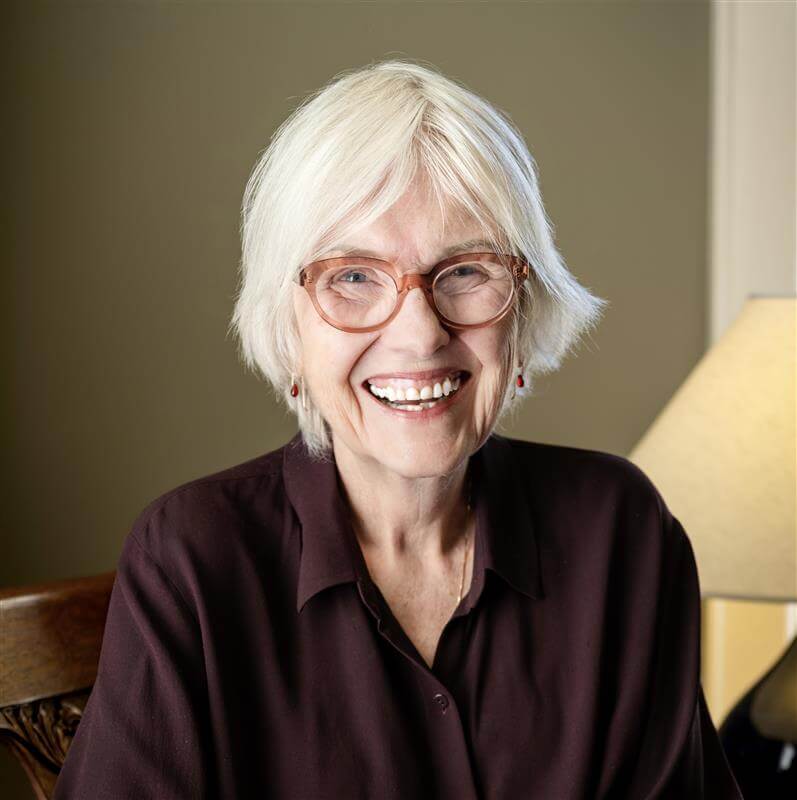
Keynote: Things Have Been Really Hard…and Remember We are Trained for This!
with Anne R. Gearity, PhD
Things Have Been Really Hard…and Remember We are Trained for This! with Dr. Anne Gearity
Times have been exceptionally hard recently in our communities, in child caring systems, in schools, in healthcare, in mental health agencies and practice settings. Families are struggling to find sufficient support and we are sharing the community fear and distress.
And, despite all that is happening, we are trained to help, to find ways to assist and support change and growth. We have the tools for now: knowledge and skills and insights. This keynote address will review core and foundational principles that allow us to be effective helping professionals in difficult times and inspire us to keep going with confidence that we can do our jobs well.
Level 1 Basic | Everyone
Anne R Gearity, PhD, LICSW, IMH-E ®
Dr. Anne R Gearity has worked for 5 decades in mental health. And now is proudly Endorsed as an Infant Mental Health Specialist and Endorsed Reflective supervisor (IMH-E®). Anne’s community practice included children, families and adults, as well as consultation to schools and agencies.
Anne is on faculty at the U of Minnesota Medical School, department of Psychiatry and Behavioral Health; she taught in the school of social work for many years and was a founding faculty of the IECMH program.
Anne used her dissertation research, in collaboration with Washburn Center for Children, to create Developmental Repair, an innovative approach to working with challenged children. DR integrated research about attachment, trauma and neurodevelopmental differences. This approach continues to be used throughout the state.
10:00 a.m. to 11:45 a.m. | Session 3 | Workshops 11 – 17
Workshop 11: In Their World: Teens, Screens, and the Science of Adolescence
In Their World: Teens, Screens, and the Science of Adolescence with Erin Walsh
Concerns about technology’s impact on adolescent mental health are growing, yet restrictive approaches alone often fall short. Based on her new book It’s Their World, Erin Walsh connects the dots between the science of adolescence and the latest research on media’s impact on wellbeing. Erin’s signature blend of science, warmth, and strategies will equip you to support youth in developing digital habits that foster connection, agency, and resilience.
Most benefit to Psychologists, Marriage and Family Therapists, Clinical Social Workers, Counselors but also useful for Parents and Caregivers.
Parents, caregivers, and youth-serving professionals are inundated with conflicting information about the impact of technology on adolescent mental health. Everyone benefits from better understanding the latest research and the key protective factors for young people in the digital age.
Level 1 Basic | Lecture + Q&A | Clinical Content | Cultural Competency Content
Participants will:
- Gain a comprehensive understanding of the complexities and nuances in the relationship between technology use and mental health outcomes among adolescents.
- Increase knowledge of the latest research findings on topics such as anxiety, depression, bullying and online cruelty, online exploitation, and problematic over-use.
- Develop a toolkit of mediation strategies that support healthy adolescent development while minimizing digital risks.
- Understand core pillars of brain development and the core developmental tasks of adolescence.
- Foster common language and dialogue among youth serving professionals to collectively address the challenges posed by digital technology on adolescent mental health.
Erin Walsh, MA, Co-Founder—Spark & Stitch Institute
Erin Walsh is co-founder of Spark & Stitch Institute and author of It’s Their World: Teens, Screens, and the Science of Adolescence. She has worked with communities across the country who want to better understand child and adolescent development and cut through conflicting information about kids and technology. Her work has been featured in the Washington Post, Edutopia, Parents, Psychology Today, and Minnesota Public Radio. She has worked with schools, school districts, parent groups and other youth serving organizations throughout the United States and Canada on issues related to digital media, parenting, and child and adolescent development.
Workshop 12: Unseen and Underserved: Advocating for Section 504 Evaluations in Educational Settings
Unseen and Underserved: Advocating for Section 504 Evaluations in Educational Settings with Tasha Novotny
Students with mental health diagnoses like anxiety and depression are often overlooked for Section 504 plans because they appear to function well in school. This session equips providers to identify hidden struggles—masked symptoms, emotional reliance on caregivers—and advocate for fair evaluations. Participants will learn how to uphold students’ rights to support, even when challenges aren’t immediately visible. Let’s uncover what’s missed and fight for the accommodations they deserve.
Most benefit to Educators and others working in schools including school social workers and counselors but also useful for Parents and Caregivers
Whether working in case management, clinical mental health, medical clinics, or schools, professionals play a vital role in advocating for equitable Section 504 evaluations within educational settings. parents and caregivers can gain valuable insight into accommodations and supports that may ease the emotional and behavioral challenges their children experience at home—especially those related to school and homework.
Level 1 Basic | Interactive | Culture Responsiveness | Cultural Competency Content
Participants will be able to:
- Identify the hidden challenges faced by students with mental health diagnoses who appear to function well in school, including the emotional toll of masking and the support provided by caregivers outside the classroom.
- Explain the legal rights of students under Section 504 of the Rehabilitation Act and the criteria for initiating an accommodation evaluation, even in the absence of visible academic or behavioral struggles.
- Demonstrate effective advocacy strategies for professionals to collaborate with parents and caregivers, educators and school personnel to ensure students with mental health diagnoses receive appropriate evaluations and support.
Tasha Novotny, LICSW—Growing Sage
Tasha is a Licensed Independent Clinical Social Worker with over 15 years of experience in the field. Her professional background spans skilled nursing facilities, clinical mental health settings, and educational environments. She is deeply committed to promoting inclusive, anti-oppressive policies and practices across all areas of care.
Workshop 13: When Nothing Seems to Work: 3 Tools that Help Parents Create Real Change
When Nothing Seems to Work: 3 Tools that Help Parents Create Real Change with Samantha Moe
Do you ever wonder if your efforts are really making a difference? As professionals in children’s mental health, we care deeply, but constant crises wear us down. In this session, you’ll learn three practical tools from the Mad to Glad Blueprint that help parents stop the cycle of fighting, yelling, and frustration, create real change, and restore your sense of progress and purpose.
Most benefit to County child protection workers, case managers, and social workers but also useful for Psychologists, Marriage and Family Therapists, Clinical Social Workers, Counselors.
These brain-based tools apply to anyone who supports children—therapists, teachers, case managers, and caregivers. The Mad to Glad Blueprint simplifies complex emotional dynamics so adults in every role can reduce conflict, increase connection, and guide kids (and parents!) toward calm, cooperative behavior.
Level 2 Intermediate | Interactive | Clinical Content | Culture Responsiveness
Participants will be able to:
- Identify three brain-based tools from the Mad to Glad Blueprint that help parents stay calm, connect, and follow through.
- Apply a step-by-step emotion-coaching process to increase parent self-regulation and empathy.
- Use powerful questions and accountability strategies to shift parents from “fixing the child” to creating their own behavior change.
Samantha Moe, MA, SLP, Certified Parent Coach—Samantha Moe and Associates
For more than two decades, Certified Parent Coach and international keynote speaker Samantha Moe, MA, SLP has equipped parents and professionals with proven tools to help children with big feelings calm, connect, and cooperate.
Creator of the Mad to Glad Blueprint™, a revolutionary brain-and-nervous-system-based approach, Samantha has partnered with leading U.S. organizations, including early childhood authorities, top autism agencies like Fraser, and the MN Association for Children’s Mental Health.
Her approach to positive communication works to soothe and even prevent intense kids’ most challenging behaviors, creating more peace and enjoyment for families around the world.
Workshop 14: Making Sense of Behavior
Making Sense of Behavior with Becky Knutsen
When children’s behaviors feel confusing or intense, adults often wonder what’s really going on. This session bridges brain science and real-life experience to help make sense of those moments and understand what might be happening in the child’s body and brain. Participants will learn practical ways to respond with curiosity and compassion, supporting regulation and resilience for both children and the adults who care for them.
Most benefit to Educators and others working in schools including school social workers and counselors but also useful for Parents and Caregivers.
While it was developed with educators in mind, this presentation offers a brain-based framework that applies to anyone who supports children or youth. It provides practical tools for understanding behavior through safety, regulation, and connection, and helps participants respond with steadiness and compassion while strengthening relationships across settings.
Level 1 Basic | Lecture + Q&A
Learning Objectives:
- Describe how the nervous system and stress responses influence children’s behavior.
- Identify cues of safety and danger that shift students between connection and protection states.
- Apply prevention and response strategies that support regulation and relational safety.
- Reflect on their own nervous system states and how self-regulation impacts co-regulation with children.
Becky Knutsen, M.Ed, Licensed Teacher—Founder of Student-Centered Services
Becky is a licensed Early Childhood and Early Childhood Special Education teacher with over 20 years of experience in education. As the founder of Student-Centered Services LLC, she partners with schools to provide early childhood special education services, behavioral consultation, and professional development. Becky is an Advanced Practitioner in the Baffling Behavior Institute’s Immersion Program for Professionals and helps educators translate neuroscience into practical tools that foster safety, regulation, and connection.
Workshop 15: Understanding NEAR Science: Building Self-Healing Communities Presentation – Live Only – Will Not Be Recorded
Understanding NEAR Science: Building Self-Healing Communities Presentation with Lisa Deputie, Jenna Z. Schmidt & Susie Voss
THIS SESSION WILL NOT BE RECORDED
Join us to learn how childhood adversity impacts our lives, the lives of our children, and the health of our communities. This presentation highlights key findings from the fields of neurobiology, epigenetics, epidemiology, and resilience research, demonstrating the impacts of Adverse Childhood Experiences (ACEs) on health and well-being and offering strategies to build resilience.
Most benefit to County child protection workers, case managers, and social workers but also useful for Parents and Caregivers.
The goal of this presentation is to build a common understanding about NEAR Science as a starting point. Each of us hold wisdom to create healthier communities, and attendees are encouraged to think about how this information can be applied within their own family, work life, and community.
Level 1 Basic | Lecture + Q&A
NOTE: This session will only be available live. It will not be recorded
This session is sponsored by 80×3: Resilient from the Start, an initiative of Greater Twin Cities United Way. We invite you to visit 80×3.org for more resources to help bring the information you learn back to your community.
Lisa Deputie (she/her/hers), Director of Prevention Initiatives for the Metro Area—FamilyWise Services/MCCC, Jenna Z. Schmidt (she/her/they), Regional Director of Prevention Initiatives for Northern Minnesota—FamilyWise Services & Susie Voss (she/her/hers), Training Manager—FamilyWise Services
Lisa Deputie has been working at FamilyWise Services/ MCCC since 2014. As the Director of Prevention Initiatives for the Metro Area, Lisa builds relationships with other agencies, organizations, and systems to assist in efforts to stop child abuse and neglect before it starts. Lisa has worked as a member of FamilyWise/MCCC’S Public Policy Committee and Ramsey County’s Children’s Justice Initiative (CJI) . Lisa is very passionate about working with systems to create fair and equitable system change. Before she joined MCCC’s staff, Lisa was a participant in MCCC’s Parent Leadership for Child Safety and Permanency (PLCSP) Team and a contracted partner. She cares about parents’ rights, building communities and raises her voice to help underserved and unprivileged communities thrive by holding systems accountable for creating safe environments for all.
Jenna Schmidt is the Regional Director of Prevention Initiatives for Northern Minnesota at FamilyWise Services and is based in Duluth. She holds a Bachelor of Arts in English with a research emphasis and a Master’s degree in Strategic Leadership from Stephens College. Jenna began her work in community initiatives through a service term with AmeriCorps VISTA, serving in the Carlton County Community and Family Initiatives Department, which she completed in August 2019. Later that same year, she joined FamilyWise Services. Since becoming a certified ACE Interface Presenter in 2018, Jenna has been dedicated to promoting trauma-informed practices across Minnesota. She has trained others to present the ACE Interface curriculum and has facilitated multiple community conversations focused on ACEs, resilience, and community resilience. Jenna is deeply committed to creating a future where individuals and families across Minnesota are healthy, supported, and thriving. She brings a collaborative and strength-based approach to her leadership in prevention initiatives.
Susie Voss is the Training Manager at FamilyWise Services, primarily supporting the organization’s Prevention Initiatives and their High-Fidelity Wraparound program. She is a certified Wraparound coach, and trains cohorts of Wraparound learners throughout the state. On the Prevention side of things, Susie is the point person for metro-area Family Services Collaboratives and Children’s Mental Health Collaboratives who are involved in the state’s More Resilient Minnesota Initiative. Susie enjoys developing and adapting trainings to the specific needs of different audiences, while maintaining fidelity to our research-backed curriculum. She believes that individuals are the experts on their own lives and families, and that community members are the experts on their communities; she’s excited to be doing work that moves us all toward connection and empathy.
Workshop 16: Identifying Opportunity in Adolescence: The Impact of Positive Experiences amid Adversity
Identifying Opportunity in Adolescence: The Impact of Positive Experiences amid Adversity with Anne-Marie Barrett & Natalie Meléndez
Adolescence is a window of both vulnerability and opportunity for mental health. This workshop explores how positive experiences, alongside adversity, shape adolescent well-being. Participants will learn how evidence-based strategies, including DBT, foster positive experiences, reflect on gaps in youth support, and apply strengths-based approaches across diverse contexts. Includes lecture and interactive discussion.
Most benefit to Psychologists, Marriage and Family Therapists, Clinical Social Workers, Counselors but also useful for Parents and Caregivers.
This presentation will help those who support adolescents understand how important accumulating positive experiences are to well-being, what kinds of positive experiences are salient in adolescent development, and identify how, in their varying roles, they may increase the opportunity to build positive experiences for adolescents.
Level 3 Advanced | Lecture + Q&A
Participants will:
- Define positive and adverse experiences and examine their nuanced roles in adolescent development.
- Analyze the relative impact of positive experiences amid adversity on mental health and emotional well-being.
- Review evidence-based therapy strategies that actively foster positive experiences.
Anne-Marie Barrett, MS, Doctoral Intern—Mental Health Systems & Natalie Meléndez, PsyD, Postdoctoral Clinical Fellow—Mental Health Systems
Ann-Marie Barrett is a doctoral intern and therapist at Mental Health Systems, PC. She has completed her graduate training in clinical psychology at the University of Oregon and received her undergraduate degree in psychology from Harvard College. Her research focuses on adolescent development and well-being.
Dr. Natalie M. Meléndez is a postdoctoral clinical fellow at Mental Health Systems. She completed her doctorate in psychology at the Albizu University in Puerto Rico. She has been providing Dialectical Behavior Therapy for five years and have worked with adolescents just as long.
Workshop 17: Neurotherapy as the Gold Standard in Trauma Care for Children and Adolescents
Neurotherapy as the Gold Standard in Trauma Care for Children and Adolescents with Fran Bieganek & Guy Odishaw
The clinical breakthrough is here. Developmental trauma neurologically locks children into a state of hyper-arousal. Learn neuroscience-informed care—the powerful integration of trauma-informed care with QEEG-guided neurotherapy. We’ll show how this technology precisely targets and corrects core dysregulation. Get the knowledge and see a live demonstration of the tools that truly rewire resilience in youth.
Most benefit to Psychologists, Marriage and Family Therapists, Clinical Social Workers, Counselors but also useful for Educators and others working in schools including school social workers and counselors.
This presentation will provide information on the role of neuroimaging and neurotherapy as assessment and treatment. It highlights this as a resource for both professionals and caregivers.
Level 1 Basic | Interactive | Clinical Content
Participants will:
- Identify the specific neurobiological dysregulations (e.g., EEG patterns) commonly associated with developmental trauma in children and adolescents.
- Explain how neurofeedback and neuromodulation directly target and remediate the brainwave patterns underlying symptoms like chronic anxiety, hyper-arousal, and executive dysfunction.
- Integrate principles of neuroscience-informed care by discussing the clinical rationale for using neurotherapy alongside traditional trauma-informed care methods.
Fran Bieganek, MS, LP, BCN, Licensed Psychologist—Bhakti Brain Health Clinic & Guy Odishaw, Psychophysiologist—Bhakti Brain Health Clinic
Fran is a Licensed Psychologist, Board Certified in Neurofeedback. She is Co-Founder of Bhakti Brain Health Clinic and has a private psychotherapy practice. Fran has over 30 years of experience in the field including neuroimaging and neurotherapy services, clinical psychotherapy services specializing in treating first responders, mediation services and teaching as tenured faculty in MN State College System. In addition to teaching, Fran has presented on a variety of mental health and well-being conferences for the past 30 years in a variety of settings, including professional conferences and community forums.
Guy is CTO, Psychophysiologist, Bioelectric Medicine Practitioner, Co-founder of the Bhakti Brain Health Clinic, Founder of Bhakti Wellness Center, one of the largest, most diverse, integrative medicine clinics in the country. Co-founder of the first integrative student health clinics in the country at the University of Minnesota. He founded Bhakti Labs, a wellness device design and manufacturing company. Guy’s approach to brain health is informed by over 30 years of clinical experience specializing in treatment resistant chronic pain, traumatic brain injury and psycho-emotional trauma and 20+ years as meditation instructor and facilitator of personal growth courses.
12:45 p.m. – 2:00 p.m. | Session 4 | Workshops 18 – 25
Workshop 18: Professional Dangerousness: The Quiet Undercurrent in Human Services
Professional Dangerousness: The Quiet Undercurrent in Human Services with Brëanna McMullen & Jessica Hoeper
The dynamic you’ve felt, but no one named. Join us for an immersive introduction to Professional Dangerousness (PD)– the subtle patterns in our practice and systems that may be unintentionally creating barriers for the very people we’re aiming to support. Together, we’ll uncover how to recognize, reflect on, and respond to PD in order to strengthen relationships and foster sustainable, human+centered practices.
Most benefit to County child protection workers, case managers, and social workers but also useful for Educators and others working in schools including school social workers and counselors.
This session equips professionals and caregivers across disciplines with practical tools to recognize and address patterns of Professional Dangerousness. By applying the Self+ framework, participants learn strategies to strengthen relationships, foster trust, and improve service delivery—skills that are universally relevant in supporting individuals, families, and teams in any human-centered profession.
Level 2 Intermediate | Interactive
Participants will:
- Apply the Self+ framework to identify actionable strategies for reducing PD in their practice.
- Analyze real-world scenarios to determine where PD patterns may emerge and select appropriate interventions.
- Plan concrete steps to strengthen client relationships and improve human-centered service delivery.
Brëanna McMullen, Consultant | Trainer | Reflective Coach—McMullen Consulting, LLC & Jessica Hoeper, MSW, LISW, IMH-E® (Reflective Supervisor & Infant Family Specialist), Consultant | Reflective Practice Coach | Trainer—Ray of Hope, LLC
The Professional Dangerousness Collective is a collaborative venture founded by Jessica Hoeper and Brëanna McMullen. Rooted in lived experience and enriched with professional insights, Jess and Brë approach with both relatability and actionable tools to navigate the pivotal topic of Professional Dangerousness (PD). Drawing on their backgrounds in human services and reflective consultation, they design engaging trainings and services that foster honest dialogue—sprinkled with moments of humor to honor the imperfections and realities of being human—on this often sensitive subject. The PD Collective is committed to cultivating compassion, strengthening connections, and guiding individuals and organizations toward sustainable change.
Workshop 19: The Art of Attunement: Strengthening Connections through Presence and Mindset
The Art of Attunement: Strengthening Connections through Presence and Mindset with Hannah Puffer & Jessica Dreischmeier
Participants will learn about “attunement” – an effective and powerful tool to building relationships and connections, mitigating problem behaviors, and building self-knowledge and regulation skills. In addition to learning what attunement is and its benefits, participants will learn steps to becoming attuned and identify things that get in the way of effective attunement.
Most benefit to Parents and Caregivers but also useful for Educators and others working in schools including school social workers and counselors.
The information presented is relevant to anyone looking to engage in interactions that are more productive and helpful and less conflicted, and that foster more harmonious relationships.
Level 1 Basic | Lecture + Q&A | Clinical Content
Participants will:
- What Attunement is and why it’s important and helpful.
- Some of the barriers to attuning effectively.
- Steps to becoming attuned and using attunement.
Hannah Puffer, LICSW, Clinical Supervisor—Catholic Charities Children’s Day Treatment & Jessica Dreischmeier, LMFT, Program Director—Catholic Charities
Hannah has worked in the mental health world for close to 30 years, serving people with a wide variety of needs and in various capacities. Hannah has spent her last 15 years serving youth who’ve had traumatic experiences at Catholic Charities Children’s Day Treatment where she finds purpose in serving those that are often misunderstood and overlooked as well as where she is humbled by the ways she herself continues to learn and grow.
Jessica is a mental health professional with over 15 years experience providing supportive services to Twin Cities families through various local non-profit organizations. Jessica carries a deep understanding of working with youth who have experienced trauma and supporting caregivers on their child’s healing journey. This has been gained through her clinical practice in in-home, outpatient, school-based, day treatment and residential treatment settings. Jessica views therapeutic work through a whole-person lens and is a strong advocate for centering the voices of youth and families in their care and mental health treatment.
Workshop 20: A Supervisor’s Survival Guide for Contextualizing Rapidly Evolving Professional Landscapes
A Supervisor’s Survival Guide for Contextualizing Rapidly Evolving Professional Landscapes with Ana Lewis, Lisa Xiong & David Hesse
Youth workers are faced with increasing challenges to navigate changing clinical and professional landscapes. Best practices point to supervision that is culturally informed and responsive as effective to guiding the development of capable youth workers who can respond to the complex challenges faced by their clients. This workshop explores contemporary healthcare challenges and approaches for developing the fortitude that youth workers need to tenaciously face these rapidly evolving professional landscapes.
Most benefit to Psychologists, Marriage and Family Therapists, Clinical Social Workers, Counselors but also useful for Health Care Professionals.
Youth workers understand that relationships are the key to change. Research supports the effectiveness of systemic and contextual approaches when working with youth, families, and communities. Evolving clinical and professional challenges require new importance to developing self-awareness of our own contexts, and how these can be leveraged to support stronger alliances with the people we serve.
Level 2 Intermediate | Lecture + Q&A | Clinical Content | Culture Responsiveness | Cultural Competency Content | Supervisory Content
Participants will:
- Identify data-informed contemporary contextual challenges for youth workers
- Explore the scope of relational, systemic practices
- Explore and practice identifying how self-identity and culture intersect with professional identity and practices
Ana Lewis, MA, LMFT, Director of Clinical Operations—Change Inc., David Hesse, Ph.D., LMFT, Director of Training and Supervision—Change Inc. & Lisa Xiong, MA, LMFT, Senior Clinical Director—Change Inc.
Ana Lewis, MA, LMFT is a Licensed Marriage and Family Therapist and Minnesota Board Approved Supervisor with over 14 years of experience serving children, families, and communities across cultural contexts. A first-generation immigrant from El Salvador, Ana is bilingual in English and Spanish and trained in IFS, TF-CBT, Brainspotting, DC:0–5, and play therapy. She serves as Director of Clinical Operations at Change Inc. and adjunct faculty at St. Mary’s University. Ana brings a client-centered, solution-focused, and culturally responsive approach to therapy and supervision, helping clients and clinicians recognize their inner strengths and wisdom toward healing and growth.
David Hesse, Ph.D, LMFT (he/him/they/them), AAMFT supervisor and MN State Approved BMFT/BBHT supervisor, holds a Doctorate from National University. He is a therapist and clinical supervisor with Change Inc. As a school-based clinician for over 10 years, David has provided individual and family therapy for clients and their families, and provides supervision for graduate and post-graduate interns. David is a core faculty with Change Inc.’s MFT National Exam preparation course, and Fundamentals of Supervision course.
Lisa Xiong is a Licensed Marriage and Family Therapist and Registered Play Therapist who provides bilingual services in Hmong and English. She specializes in supporting children, families, and women navigating trauma, depression, anxiety, transitions, and relationships
Lisa is trained in Play Therapy, Trauma-Focused Cognitive Behavioral Therapy (TF-CBT), Brainspotting, and integrates a strength-based, trauma-informed, and culturally responsive approach in her work.
An advocate for social justice and equity in mental health, Lisa is also a Minnesota MFT/LPCC Board-Approved Supervisor committed to cultivating culturally attuned clinicians. She believes therapy can be both healing and playful—because a fun brain is a learning brain.
Workshop 21: Evolving Trends in ADHD: Diagnostic Shifts, Contributing Factors, and Emerging Treatment Considerations
Evolving Trends in ADHD: Diagnostic Shifts, Contributing Factors, and Emerging Treatment Considerations with Afshan Anjum & Heba Sandozi
This presentation will explore recent trends in ADHD prevalence, potential contributing factors, controversies and the assessment and treatment of ADHD across the spectrum. We will examine both psychotropic and alternative treatment options, other evidence-based interventions, and best practices for supporting and managing children and youth—especially girls—across various settings to promote optimal outcomes.
Most benefit to Health Care Professionals but also useful for Educators and others working in schools including school social workers and counselors.
This presentation explores a highly relevant and timely topic: ADHD.
Affecting children across all stages of development, ADHD significantly impact academic performance, peer relationships, and overall social-emotional well-being. We explore factors driving the rising prevalence of ADHD, examine key controversies, and present a range of evidence-based interventions—including pharmacologic treatments, behavioral strategies, and holistic approaches—to support children and families more effectively.
Level 3 Advanced | Lecture + Q&A | Clinical Content | Culture Responsiveness | Cultural Competency Content
Participants will:
- Evaluate current trends in ADHD, including evolving diagnostic criteria and prevalence data across age groups and populations.
- Analyze key contributing factors and clinical controversies, including issues related to overdiagnosis, comorbidities, and sociocultural influences.
- Interpret recent research developments to enhance diagnostic accuracy and treatment planning.
- Implement evidence-based treatment strategies, encompassing both pharmacological and behavioral interventions tailored to individual patient needs.
Afshan Anjum, MD, MS, Associate Professor—University of Minnesota & Heba Sandozi, Medical Student—UMN Medical School
Dr Afshan Anjum is a child and adolescent psychiatrist at the University of Minnesota. She completed both her adult psychiatry residency and child and adolescent psychiatry fellowship at the University of Minnesota. Currently she serves as associate professor in the department of psychiatry and behavioral sciences. Dr. Anjum provides outpatient care for children, facing a range of mental health challenges, including ADHD across the lifespan, early onset psychotic disorders in children, anxiety and mood disorders. In addition to her clinical work, Dr. Anjum is committed to medical education and is deeply involved in teaching Resident physicians, fellows and medical students.
Heba Sandozi is a fourth year student at the University of Minnesota Medical School. Prior to medical school, she earned a Bachelor’s Degree in Neuroscience and Sociology at Northwestern University. An aspiring pediatrician, Heba previously served as a Jumpstart Americorps member supporting early childhood education and also worked as a Developmental Training Instructor for adults with developmental disabilities.
Workshop 22: Beyond Awareness: Shifting Bias and Centering Black Voices
Beyond Awareness: Shifting Bias and Centering Black Voices with Naajee I Dennis, Ericka Dennis & Kea Sparkman
This is more than a workshop—it’s a movement toward healing, understanding, and genuine connection. Led by a mental health expert, African American family liaison, school counselor, and youth poets, participants explore cultural humility through dialogue, lived stories, and poetry—confronting bias, embracing accountability, and gaining strategies to build trust, equity, and transformative relationships with Black youth and families.
Most benefit to Educators and others working in schools including school social workers and counselors but also useful for Psychologists, Marriage and Family Therapists, Clinical Social Workers, Counselors
This workshop helps professionals and caregivers deepen their understanding of cultural humility and bias when supporting Black youth and families. Participants gain insight into how culture, identity, and systemic inequities shape mental health experiences—and leave with practical tools to build trust, communicate with empathy, and create environments where Black youth feel seen, valued, and supported.
Level 2 Intermediate | Interactive | Clinical Content | Cultural Competency Content | Culture Responsiveness
Learning Objectives:
- Identify how bias and systemic inequities influence engagement with Black youth and families in educational and mental health settings.
- Explore principles of cultural humility through reflective dialogue, storytelling, and real-world case examples.
- Develop practical, culturally responsive strategies to foster equity, trust, and authentic connection with Black youth and caregivers.
Naajee I Dennis, LPCC, Victim Survivor and Youth Program supervior—Domestic Abuse Project, Ericka Dennis, BA, Cultural and family Liaison—Global Arts Middle School, Saint Paul Public Schools & Kea Sparkman, LPC,M.A Ed.s,LSC,NCC, School Counselor—AGAPE Saint Paul Public schools
Naajee Dennis, MA, LPCC, is a Licensed Professional Clinical Counselor and program supervisor specializing in trauma-informed, anti-racist, and culturally responsive care for youth and families. With extensive experience leading clinical teams and facilitating trainings on cultural humility, intergenerational trauma, and compassion fatigue, Naajee is dedicated to dismantling systemic barriers and equipping providers to engage Black youth and families with authenticity, empathy, and respect.
Ericka Dennis is a seasoned educator and program director who has spent more than two decades teaching, training, and empowering youth through arts, engineering, and cultural programming. A leader in culturally responsive education, she partners with schools and organizations to create inclusive learning environments that honor identity, innovation, and belonging.
Kea Sparkman has more then a decade of experience as a Licensed Professional Counselor and School Counselor dedicated to restorative practices and youth empowerment. Through circle keeping and trauma-informed care, she create spaces where students feel seen, heard, and supported in their growth, healing, and leadership.
Workshop 23: Chat Bots as Therapists: The Impact on Adolescents, Teens, and Young Adults
Chat Bots as Therapists: The Impact on Adolescents, Teens, and Young Adults with Charlene Myklebust & Michael Borowiak
This presentation will provide an overview of the prevalence of Chatbots as therapists and the implications for young people. Recent research about the positive and negative outcomes of utilizing Artificial Intelligence for mental health support will be summarized. Special attention will be paid to threats of self-harm, suicidal ieation and attempts, and duty-to-warn situations. Legal and ethical considerations will be discussed using real-life scenarios.
Most benefit to Psychologists, Marriage and Family Therapists, Clinical Social Workers, Counselors but also useful for Educators and others working in schools including school social workers and counselors.
Artificial intelligence has an ever-increasing presence in the therapy milieu. Confusion and contradictions abound regarding the wisdom of using Chatbots to support the mental health of youth. Special attention must be paid when there are risks of self-harm, suicidality, and threats to harm others. Adults who work with young people will benefit from learning about AI trends in mental health.
Level 2 Intermediate | Interactive | Ethics Content
Learning Objectives:
- Participants will identify the current definition and roles of chatbot therapists, including the most popular models.
- Attendees will compare and contrast the benefits and concerns surrounding the use of chatbox therapists as therapeutic interventions with young people.
- The audience will explore the limitations of chatbox therapists in cases where youth are involved in self-harm, suicidality, and/or threats to harm others.
- Participants will review sample chatbot protocols and companion oversight responsibilities.
Charlene Myklebust, Psy.D. Special Education Director, Secondary Principal, Special Education Teacher, STARR Commonwealth Trauma and Resilience Trainer, Executive Director—Stone Arch Learning, LLC and EQ Learn, LLC & Michael Borowiak, MSW, LICSW—Traverese Counseling & Consulting, GBC
Charlene Myklebust has been a regular and special education teacher, a care and treatment program administrator, secondary principal, district level executive director, chemical dependency counseling clinic coordinator, and mental health therapist. She now owns and directs an online continuing education website for teachers, EQ Learn, LLC.
Michael Borowiak has been in private practice since 1997. He specializes in helping individuals and families out of stressful and challenging dynamics, such as divorce, trauma, substance abuse, depression, anxiety and significant medical conditions. Michael has an MSW (Masters of Social Work) and is a Licensed Independent Clinical Social Worker (LICSW). He is trained in family systems therapy, chemical dependency, discernment counseling and child and adolescent therapy, with an undergraduate degree in psychology. Michael has been working with couples, families and children his entire career. Michael enjoys running, adventures, and spending time with his wife and family.
Workshop 24: Telehealth to Improve Access to Behavioral Health Support for Geographically-Dispersed Youth
Telehealth to Improve Access to Behavioral Health Support for Geographically-Dispersed Youth with Adele Dimian, Andrea Castillo & Chandra Carl
For many families who are geographically-dispersed, highly mobile, or military-connected, accessing and navigating care for children with mental, emotional, developmental, or behavioral (M/E/D/B) concerns has greater complexity. We will present telehealth related models involving digital tools that could improve rapid access to early intervention and family navigation for families of children on the autism spectrum and with related D/E/B needs.
Most benefit to Psychologists, Marriage and Family Therapists, Clinical Social Workers, Counselors but also useful for Parents and Caregivers.
This presentation will review the digital tools and care models being evaluated to provide evidence based practices to providers who work with children and families with mental, emotional, behavioral, and developmental needs, in particular, for autism spectrum disorder.
Level 1 Basic | Lecture + Q&A | Clinical Content
Learning Objectives:
- Objective 1: Review and identify the barriers to care for children and families with mental, emotional, developmental, or behavioral healthcare needs.
- Objective 2: Differentiate between telehealth and digital tools being implemented in this project.
- Objective 3: Discuss how to use and implement these approaches in practice.
Adele Dimian, PhD, Research Associate—Masonic Institute for the Developing Brain, UMN, Andrea Castillo, MA, Research Professional—Masonic Institute for the Developing Brain, UMN & Chandra Carl, Research Professional—Masonic Institute for the Developing Brain, UMN
Adele Dimian is the co-director of the TeleOutreach Center at the Masonic Institute for the Developing Brain, University of Minnesota.
Andrea Castillo is a research professional at the Institute on Community Integration at the Masonic Institute for the Developing Brain, University of Minnesota.
Chandra Carl is a research professional at the TeleOutreach Center at the Masonic Institute for the Developing Brain, University of Minnesota.
Workshop 25: Keeping Parents in Children’s Mental Health Treatments
Keeping Parents in Children’s Mental Health Treatments with Anne Gearity
Since covid there has been an alarming pattern of minimally including parents in the mental health work with their children. Too often children are seen alone, or parents are included as reporters at start of sessions. This puts an undue pressure on children to learn “skills” that they must generalize to family and community. Parents must be active participants to make sure children are supported in any process of change.
Most benefit to Psychologists, Marriage and Family Therapists, Clinical Social Workers, Counselors but also useful for Health Care Professionals.
Mental health interventions for children must include caregivers; families must advocate to be included and clinicians need families.
Level 3 Advanced | Lecture + Q&A | Clinical Content
Learning Objectives:
- Participants will examine developmental reasons why parents and caregivers should be included, and discuss age and stage variations that inform confidentiality and privacy.
- Participants will explore biases that cause parents to be excluded, or restricted to reporting roles, including misunderstanding about treatment protocols that emphasize skill training,
- Participants will discuss how best to engage parents as both advocates for their children’s developmental needs and as potential partners or obstacles to their children’s capacities to use mental health support.
Anne Gearity, PhD, LICSW—U of MN Department of psychiatry and behavioral sciences
Anne R Gearity has a clinical practice with children, teens, adults and families she is also faculty at the U in psychiatry where she leads a family consultation clinic with child psychiatry fellows.
2:15 p.m. – 3:30 p.m. | Session 5 | Workshops 26 – 33
Workshop 26: Striving for Excellence: Understanding the Mental Health Impact of High Achievement and Perfectionism in Teens
Striving for Excellence: Understanding the Mental Health Impact of High Achievement and Perfectionism in Teens with Joshua Stein
High achievement culture has the potential to lead teens to believe they must be perfect and puts an emphasis on external validation. As society shifts towards achievement based external outcomes, teenage wellbeing and mental health can be left behind. This presentation will focus on key concepts and risk factors, explore signs and symptoms, and suggest intervention strategies that promote healthy achievement, growth,industry and tenacity.
Most benefit to Educators and others working in schools including school social workers and counselors but also useful for Psychologists, Marriage and Family Therapists, Clinical Social Workers, Counselors.
Although teens are the identified population, the skill set and shift towards healthy striving rather than toxic perfectionism is applicable for all.
Level 1 Basic | Lecture + Q&A | Clinical Content | Cultural Competency Content | Culture Responsiveness
Participants will:
- Understand the definitions of high achievement and perfectionism, and how they manifest in adolescents.
- Recognize the psychological and environmental factors that contribute to the development of perfectionistic tendencies in teens.
- Examine the potential mental health consequences of high achievement and perfectionism, including anxiety, depression, and burnout.
- Learn to identify signs and symptoms of perfectionism and its impact on mental well-being in adolescents.
- Explore effective strategies for supporting teens struggling with perfectionism, including therapeutic approaches and parental guidance.
- Identify ways to foster a balanced approach to achievement that encourages resilience and well-being in adolescents.
Joshua Stein, MD, Child and Adolescent Psychiatrist—PrairieCare/Psychiatric Assistance Line
Dr. Joshua Stein, a 2023 Minneapolis Magazine Rising Star Physician, is the clinical director at the PrairieCare Brooklyn Park Partial Hospital Program (PHP) practicing as a general and child adolescent psychiatrist. As part of the award-winning Psychiatric Assistance Line, providing psychiatric education and support to primary care physicians throughout the state to expand access to psychiatric resources. He is a dynamic speaker, covering topics including ADHD, psychotropic interventions and suicide awareness & prevention. In addition, he is the former president of the Minnesota Society for Child Adolescent Psychiatry and a local and national advocate for children’s mental health needs.
Workshop 27: Assessment, Case Formulation, and Early Intervention for Youth Exposed to Acute Stress
Assessment, Case Formulation, and Early Intervention for Youth Exposed to Acute Stress with Kaitlyn Kaus, Diane Coursol & Aaron Suomalafolkerds
This presentation explores how trauma manifests in children following unexpected and catastrophic events such as school shootings and community crises. Attendees will gain insight into evidence-based pediatric trauma assessment tools, trauma-related diagnoses, and practical, developmentally appropriate intervention approaches that balance clinical precision with compassionate care within schools and community-based systems.
Most benefit to Psychologists, Marriage and Family Therapists, Clinical Social Workers, Counselors but also useful for Educators and others working in schools including school social workers and counselors.
This presentation applies to all professions and caregivers by emphasizing trauma-informed understanding, early recognition, and compassionate response. Attendees from education, healthcare, and community settings will gain practical tools to support children’s safety, regulation, and resilience fostering healing environments and collaborative care across disciplines in the aftermath of trauma.
Level 2 Intermediate | Interactive | Clinical Content | Ethics Content | Cultural Competency Content | Culture Responsiveness
Participants will:
- Identify and describe validated assessment tools for evaluating trauma-related symptoms in children and adolescents.
- Differentiate trauma-related disorders from overlapping conditions (i.e., anxiety, ADHD, or depression).
- Apply developmentally appropriate evidence-based interventions following trauma exposure.
- Integrate trauma-informed care principles into multidisciplinary settings (schools, pediatric clinics, and community programs).
- •Address vicarious trauma and self-care strategies for professionals working with traumatized youth.
Kaitlyn Kaus, EdD., LPCC—Minnesota State Univeristy, Mankato, Diane Coursol, PhD—Minnesota State University Mankato & Aaron Suomalafolkerds, EdD., LMFT-MN—Minnesota State University, Moorhead
Dr. Kaus is a licensed professional clinical counselor (LPCC) and assistant professor of psychology at Minnesota State University, Mankato. She specializes in pediatric neuropsychological assessment and trauma-related disorders. In addition to her academic role, she currently works as a psychological evaluator, providing comprehensive assessments for children and adolescents presenting with a variety of mental health concerns.
Diane H. Coursol, Ph.D. is a Full Professor in Counseling at Minnesota State University, Mankato. She has been a counselor educator for 39 years and currently teaches the Appraisal, Practicum, Internship, Assessment, Diagnosis and Treatment Planning, Technology in Counseling, and Counseling Skills courses in the master’s and doctoral programs at Minnesota State University, Mankato. Dr. Coursol has worked in a variety of settings, including hospital, private practice, and agency settings.
Aaron Suomala Folkerds is an Assistant Professor in the graduate counseling program at Minnesota State University-Moorhead. He also serves as the part-time wellness coordinator at the Moorhead Police Department. He holds a B.A. in psychology from University of Minnesota-Morris, an M.Div. from Lutheran School Theology at Chicago, an MS in mental health counseling from Minnesota State University-Mankato, and Ed.D. in counselor education and supervision from the same institution. He is also Licensed Marriage and Family Therapist (LMFT-MN).
Workshop 28: Twilight Zone: The Stressful Life of Somali Children with Autism and Their Caregivers
Twilight Zone: The Stressful Life of Somali Children with Autism and Their Caregivers with Mahdi Warsama
I will discuss Somali community’s views on mental health, expressed mental illness symptoms by Somali children with autism, the stressful life of caregivers for Somali autistic children, and recommendations for system and policy changes.
Most benefit to County child protection workers, case managers, and social workers but also useful for Psychologists, Marriage and Family Therapists, Clinical Social Workers, Counselors
It is good cultural competency awareness presentation for social workers, mental health practitioners, and social services agencies.
Level 1 Basic | Lecture + Q&A | Clinical Content | Cultural Competency Content | Culture Responsiveness
Participants will:
- explore Somali views on mental health,
- expressed mental illness symptoms by nonverbal Somali children with autism,
- the stressful life of caregivers for nonverbal Somali autistic children,
- and recommendations for system and policy changes.
Mahdi Warsama, MS, Chief Executive Officer (CEO)—Somali Parents Autism Network (SPAN)
Mahdi Warsama is the Chief Executive Officer (CEO) of the Somali Parents Autism Network (SPAN). He has a Master of Science degree in Security and Resilience Studies from Northeastern University in Boston, MA. He has a Certificate in Leadership in Human Services Management from Ohio State University College of Social Work. Mahdi is strong advocate for children diagnosed with autism spectrum disorders (ASD). As part of his keen interest in neurodevelopmental disabilities and other related disabilities, he graduated from University of Minnesota’s Leadership Education in Neurodevelopmental and Related Disabilities (MNLEND) Fellowship Program.
Workshop 29: Revisiting the Research-Practice Divide: Ask an Implementation Researcher, Ask a Therapist!
Revisiting the Research-Practice Divide: Ask an Implementation Researcher, Ask a Therapist! with David Hesse & Jennifer Griffin-Wiesner
Data and research-supported practices continue to be central to the fields of mental health and education. However, practitioners and administrators often report challenges and hesitations that prevent the effective use of data to better inform outcomes and the direction of their organizations. This presentation aims to clarify misperceptions and offer a new approach for being informed users of data.
Most benefit to Psychologists, Marriage and Family Therapists, Clinical Social Workers, Counselors but also useful for Health Care Professionals.
Youth workers and administration often identify challenges with implementing and utilizing data and research. This workshop aims to offer different perspectives around what makes data utilization and implementation effective, and how organizations and practitioners can view data as a means to better tell the story of the work they do and the impact it has on their clients and communities.
Level 2 Intermediate | Lecture + Q&A | Clinical Content | Cultural Competency Content | Culture Responsiveness
Participants will:
- Identify the scope of challenges and opportunities with research and data utilization
- Explore contextual practices with therapy and data implementation
- Explore strategies for more effectively sharing and evaluating the impact of Youth Development work
David Hesse, Ph.D., LMFT, Director of Training and Supervision—Change Inc. & Jennifer Griffin-Wiesner, Ed.D., Senior Director, Change Institute—Change Inc.
David Hesse, Ph.D, LMFT (he/him/they/them), AAMFT supervisor and MN State Approved BMFT/BBHT supervisor, holds a Doctorate from National University. He is a therapist and clinical supervisor with Change Inc. As a school-based clinician for over 10 years, David has provided individual and family therapy for clients and their families, and provides supervision for graduate and post-graduate interns. David is a core faculty with Change Inc.’s MFT National Exam preparation course, and Fundamentals of Supervision course.
Dr. Jennifer Griffin-Wiesner serves as the Senior Director of Change Inc.’s Change Institute. In this role she collaborates with a team of staff members and partners focused on bringing together healing, teaching, and advocacy to prepare and support caring adults in the community to best meet the developmental needs of children, youth, families and communities. She brings more than three decades of experience bridging research and practice in support of critical positive youth development. Her doctoral research, published in 2025, focused on the effects of data utilization on the identity and practice of Youth Developmental Professionals.
Workshop 30: A System Attractors Approach to Strategic Therapy
A System Attractors Approach to Strategic Therapy with David Swenson
Despite treatment successes of individuals and families, they may also be misdiagnosed, drop out prematurely, resist intervention, or marginally improve or regress. Simple linear solutions don’t explain their complex biopsychosocial situation. System attractors can explain how clients get stuck in complex behavior patterns, how dysfunctional patterns can be disrupted, and plan a strategy for shifting them to new patterns.
Most benefit to Psychologists, Marriage and Family Therapists, Clinical Social Workers, Counselors but also useful for County child protection workers, case managers, and social workers
The presentation covers a systems approach to understanding complex connections among factors that create dysfunctional patterns of behavior and how to shift them to more sustainably functional patterns. The biopsychosocial approach can involve professionals across professions and the need for interagency collaboration. It presents a model to parents as a way of reducing fault and blame and moving to understanding.
Level 2 Intermediate | Lecture + Q&A | Clinical Content
Participants will:
- Iyou dentify the limitations of a categorical diagnostic approach and simple linear approach to problem solving
- Explain the importance of identifying the landscape of patterns that create and sustain problem behaviors
- Describe a systemic approach to shifting dysfunctional patterns to a more functional and sustainable one
David Swenson, PhD, LP, Professor
David X. Swenson, PhD LP is a Licensed Psychologist in Minnesota and Wisconsin and has been a therapist, mental health clinical director, college counseling center director, consultant, and supervisor over 55 years in the profession. He currently consults with day and residential treatment centers for youth, health and human service agencies, supervises therapists for licensure, and has a forensic practice working with law enforcement and courts.
Workshop 31: Let’s go Crazy (for What’s Right): Ethics and Advocacy in Mental Health
Let’s go Crazy (for What’s Right): Ethics and Advocacy in Mental Health with Emily Coler Hanson & Barb Stanton
A funky exploration of ethics as it relates to social advocacy. Inspired by Minnesota’s own, Prince, who was deeply committed to social justice, empowerment and equality and the various codes of ethics that guide the licenses of the mental health field.
Most benefit to Psychologists, Marriage and Family Therapists, Clinical Social Workers, Counselors but also useful for County child protection workers, case managers, and social workers
All three discipline’s codes of ethics will be included, highlighting the portions regarding social justice and advocacy. Ways to advocate within our scope of practice will be shared.
Level 3 Advanced | Lecture + Q&A | Clinical Content | Ethics Content
Participants will:
- Examine codes of ethics for the role that social justice and advocacy play in the field
- Analyze the role of advocacy in the field, drawing parallels to the music of Prince
- Identify action items providers can take in supporting systemic change
Emily Coler Hanson, MS, LMFT, Clinical Practice Director—Sagent Behavioral Health & Barb Stanton, PhD, LPCC, Clinic Director—Sagent Behavioral Health
Emily Coler Hanson is a Clinical Practice Director at Sagent Behavioral Health. She enjoys hiking, camping, time with family, and is passionate about Ethics.
Barb Stanton has been practicing in the field for longer than she will let me share. She loves reptiles, all animals actually, diet coke, and ethics.
Workshop 32: ADHD Update
ADHD Update with Gary Johnson, Kotatee Tamba & Kelsey Maleski
For over 10 years this energetic and highly rated workshop will review practical applications of new research, appropriate for both seasoned clinicians and families. This year will include upcoming new medication; sex and hormonal differences effecting cognition, brain structure, connectivity, and function; differing efficacy for specific non-medicine interventions; risk factors, and diagnosis. A special section on the concerning effects of brain inflammation and the role of nutrients in treatment.
Level 2 Intermediate | Clinical Content | Cultural Competency Content | Culture Responsiveness
Gary Johnson, PhD, LP, LMFT, Clinical Director—Clinic for Attention, Learning, and Memory (CALM), Kotatee Tamba, PsyD, LP, LICSW, Clinical Psychologist—Clinic for Attention, Learning, and Memory (CALM) & Kelsey Maleski, PsyD, Clinical Psychologist—Clinic for Attention, Learning, and Memory (CALM)
Gary Johnson has been an avid advocate for thorough and compassionate evaluation of children’s mental health concerns for over 40 years. In that time, he has completed over 10,000 evaluations. He has been honored by Minnesota Psychological Association and MACMH for his contributions and continues to be an active member of the CALM clinic.
Kotatee Tamba is a clinical psychologist the CALM Clinic, specializing in ADHD, trauma, and emotional regulation. With extensive experience as a clinician, supervisor, and presenter, he provides psychological evaluations, therapy, and clinical training for emerging professionals. Dr. Tamba also volunteers with several mental health initiatives, supporting community wellness through culturally responsive and evidence-based practices.
Kelsey J. Maleski, PsyD, is a post-doctoral candidate at CALM. She is trained in early childhood mental health services, is a certified parent coach, and does ADHD coaching for parents and kids. She administers and interprets neurocognitive evaluations and tests through a therapeutic assessment approach. Dr. Maleski works as a therapist, providing services to individuals in early childhood through early adulthood. Her work emphasizes neurodevelopmental disorders, mood disorders, identity exploration, and trauma, among other mental health concerns. She takes an individual approach, including psychoeducation, client-centered therapeutic approaches, and a cognitive/developmental model.
Workshop 33: Three Sides to Every Story: The Elegant Efficiency of Genograms in Clinical Practice
Three Sides to Every Story: The Elegant Efficiency of Genograms in Clinical Practice with Mike Stensland & Kristine Stensland
In a world of complex family structures and competing stressors, mental health professionals need tools that are both elegant and efficient. The genogram is one such tool. When used effectively, it provides a visual and relational map that helps both the professional and the client understand not just who is in the family, but how those relationships function and evolve.
Most benefit to Psychologists, Marriage and Family Therapists, Clinical Social Workers, Counselors but also useful for County child protection workers, case managers, and social workers
Through case examples and interactive participation, mental health professionals will learn how to integrate genograms into assessment and intervention, helping families see their story in a way that leads to insight, empathy, and change. Participants will leave with clear methods for using genograms to deepen understanding, focus interventions, and strengthen therapeutic alliance.
Level 1 Basic | Interactive | Clinical Content α | Culture Responsiveness
Participants will:
- Demonstrate how a genogram serves as an elegant, efficient, and engaging tool for assessing complex family systems.
Identify three key clinical functions of a genogram: assessing current family structure, understanding intergenerational influences, and identifying emotional triangles. - Apply visual family mapping to enhance clinical assessment, treatment planning, and therapeutic communication.
- Use insights from genogram work to guide families toward balanced, resilient patterns of connection.
Mike Stensland, PhD, Clinical Psychology and Applied Quantitative Psychology, Chief Research Officer—Agile Outcomes Research & Kristine Stensland, MHA/MBA, CEO—Genograms
Dr. Michael Stensland has a PhD in Clinical Psychology and Applied Quantitative Psychology. He has over 20 years of experience in health outcomes research, including 15 years of owning a research consulting small business. He has extensive expertise in observational research methods and measurement validation to demonstrate the value of interventions with data.
Kristine Stensland has an MBA in Finance and Master’s of Health Care Administration. Her professional experience includes health care leadership roles at large institutions and start-up companies (14 years); non-profit management and fundraising (8 years), marketing management (2 years), and entrepreneurship (5 years).
Tuesday, April 28 Schedule
8:00 a.m. – 9:45 a.m.
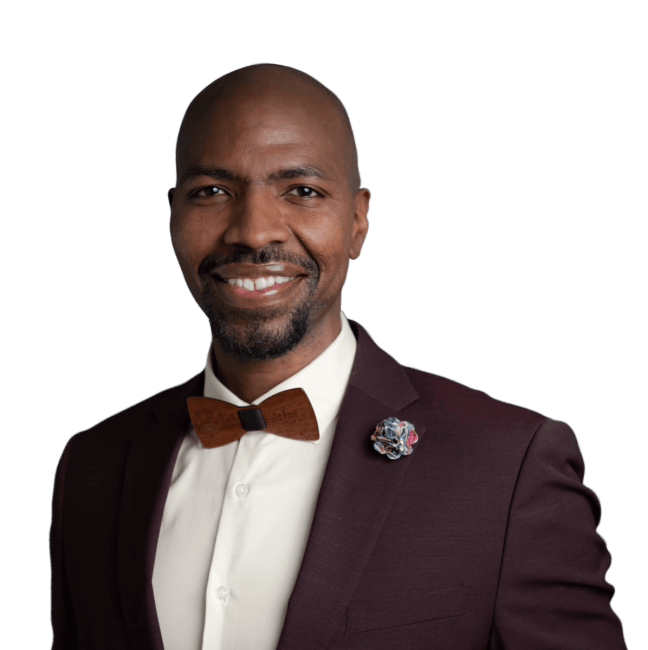

Keynote: Staying Rooted Rising Together: Thriving in Uncertainty – Recording will only available until May 27
with Jamil Stamschror-Lott & Sara Sara Stamschror-Lott
Tuesday Keynote – Staying Rooted Rising Together: Thriving in Uncertainty with Jamil Stamschror-Lott & Sara Stamschror-Lott
In today’s turbulent social-political landscape, staying steady isn’t just about individual grit, it’s about coming together and harnessing our collective ingenuity. This keynote explores how to stay grounded while adapting to change, how to face challenges without losing integrity, and how to build mental, social, emotional resources while leaning into collective care. With practical tools and space for reflection, we’ll explore what it means to sustain ourselves and one another in hard times.
Level 1 Basic | Everyone
NOTE: This Keynote will be recorded, but only available for 30 days after the event.
Jamil Stamschror-Lott, MA, LICSW, Co-founder—Creative Kuponya & Sara Stamschror-Lott, MA, LMFT, Co-founder—Creative Kuponya
Jamil Stamschror-Lott, LICSW is a nationally recognized public speaker, mental health therapist, and the CEO and co-founder of Creative Kuponya. As a Black man, representing less than 4% of licensed therapists in the U.S., Jamil brings both lived experience and clinical expertise to his work as a healer and facilitator. Honored as a 2024 Bush Fellow and featured in The New York Times, USA Today, Rolling Stone Magazine, and more, Jamil has offered over 250 professional speaking engagements, blending honesty, humor, and humanity to spark transformative conversations about mental health and equity.
In 2017, Jamil and his wife Sara co-founded Creative Kuponya, a practice dedicated to reshaping how people experience mental health care by providing “Room, Relief & Resource” to people that have historically been underserved. Through their theory of Transformative Community Healing Sessions, along with education & training, they’ve created accessible pathways for care that meet people where they are.
Sara Stamschror-Lott, MA, LMFT, alongside her husband Jamil, established Creative Kuponya in 2017, driven by personal experience with the detrimental effects of misdiagnosis. The organization provides mental health and wellness psychoeducation, Anti-Oppressive Trauma Informed consultation, Community Cultural Assessments, Transformative Community Healing Sessions, and workplace therapy, intentionally avoiding the imposition of rapid forced diagnoses and the historical shortcomings of the medical model.
Following the loss of their offices during the civil unrest subsequent to the murder of George Floyd, Creative Kuponya initiated The Kuponya Fund. This fund aims to offer no cost therapy sessions, eliminating the obstacles often associated with conventional mental healthcare. To date, it has facilitated over 6500 sessions in Minnesota.
Sara is a Minnesota Board Approved Supervisor for both the Boards of Marriage and Family Therapy and Clinical Counseling. Her clinical expertise lies in trauma care, employing EMDR, somatic therapies, and art-based approaches to facilitate physical and emotional healing. Further, she is a Minnesota State recognized neutral and works as a mediator for family and civil cases. Sara’s work has garnered her a “40 Under 40” award and recognition in publications including The New York Times, USA Today, BBC Worldwide, among other prominent news outlets.
10:00 a.m. to 11:45 a.m. | Session 6 | Workshops 34 – 41
34: Collaborative Teaming for Student Supports
Collaborative Teaming for Student Supports with Megan Gruis & Terri Tchorzynski
When it comes to meeting the diverse needs of students, no single person can do it all. Effective support services come from a collaborative, well-coordinated team. Explore how to design and strengthen integrated student support systems that align services, clarify roles, and eliminate duplication or gaps in supports. It’s time to foster an “all-star team” approach where every “player” contributes to seamless, cohesive systems that place students at the center.
Most benefit to Educators and others working in schools including school social workers and counselors but also useful for Psychologists, Marriage and Family Therapists, Clinical Social Workers, Counselors.
Educational systems consist of a multitude of student support professionals who have a common purpose/goal to support student success through academic and behavioral interventions, but oftentimes there is confusion within these roles. This confusion leads to potential duplication in services and/or gaps in services. An integrated support systems framework is critical to the success of these critical positions and students.
Level 3 Advanced | Interactive | Ethics Content
Participants will:
- Evaluate the similarities and differences between the roles and responsibilities of various student support service providers to foster mutual understanding and teamwork.
- Assess the current student support system within a Multi-Tiered System of Support (MTSS) framework and identify potential service duplication and gaps that hinder student success.
- Identify and implement teaming strategies that maximize support, improve efficiency, and enhance overall effectiveness.
Megan Gruis, Founder & Executive Director—IgnitED Consulting & Terri Tchorzynski, Co-Founder & Managing Director—IgnitED Consulting
Megan Gruis, Founder and Executive Director of IgnitED! Consulting, is a nationally recognized educational consultant with experience as a school counselor, administrator, and systems-change leader. She partners with schools and districts nationwide to design and sustain Multi-Tiered Systems of Support that strengthen educator capacity and improve student outcomes. A licensed K–12 principal and school counselor, Megan has served as Executive Director of Implementation Supports & Tier 2 at CharacterStrong and Coaching & Evaluation Coordinator for the Minnesota PBIS Metro Regional Implementation Project. She specializes in blending implementation science, equity-focused practices, and practical tools to eliminate access, opportunity, and achievement gaps.
Terri Tchorzynski is a nationally recognized school counselor, educator, and advocate with nearly 25 years of experience. She specializes in designing data-informed, proactive systems for student success, drawing from roles in classroom teaching, counseling, leadership, coaching/consulting and keynote speaking. As a former National School Counselor of the Year and president of the Michigan School Counselor Association, she partners with schools and districts to strengthen MTSS frameworks, build staff capacity, and implement continuous improvement practices. Currently pursuing Educational Leadership certification, Terri focuses on whole-school reform, ensuring measurable outcomes through intentional, purpose-driven strategies grounded in research and best practices.
35: Bridging Mental Well-Being Education and Substance Use Prevention: Learnings from Allina Health’s OERAC Grant Work
Bridging Mental Well-Being Education and Substance Use Prevention: Learnings from Allina Health’s OERAC Grant Work with Sydney Hobart
In November 2023, Allina Health received funding from MN DHS’s Opioid Response Advisory Council (OERAC) to expand its youth mental well-being initiative, Change to Chill (CTC). Since then, CTC has used a co-creation process with community to develop substance use prevention resources for youth and caregivers. This workshop will walk participants through the process of this ongoing work, including key accomplishments and learnings that continue to inform our efforts.
Most benefit to Health Care Professionals but also useful for Educators and others working in schools including school social workers and counselors.
This presentation will include learnings from CTC’s grant work, including new resources developed for youth, parents and caregivers, and the professionals who serve them.
Level 1 Basic | Lecture + Q&A
Participants will:
- Learn about the substance use prevention resources for youth made available through Change to Chill. This includes culturally responsive tools to support youth and parents and caregivers.
- Understand the value of co-creation in developing substance use prevention resources for youth.
- Describe the iterative and ongoing process of co-creationist resource development and implementation.
Sydney Hobart, MPH, MPP, Community Health Improvement Program Design Consultant—Allina Health
Sydney Hobart is a Community Health Improvement Program Design Consultant at Allina Health where she leads Change to Chill, Allina’s youth mental well-being initiative. She is passionate about health equity, mental well-being, and supporting people of all ages in gaining the knowledge and skills they need to thrive.
36: Neuroscience of Eating Disorders: Understanding a Developmental Disorder in the Growing Brain
Neuroscience of Eating Disorders: Understanding a Developmental Disorder in the Growing Brain with Laine Mohnkern &Cherys Austin
For many years we have looked at eating disorers as behavioral. This workshop aims to explore how they are developmental disorders and our need to understand and screen at earlier ages is invaluable. Learn how disruptions in brain circuits of reward, interoception, and emotion regulation contribute to disordered eating, and why recognizing the impact on children is critical for prevention and healing.
Most benefit to Psychologists, Marriage and Family Therapists, Clinical Social Workers, Counselors but also useful for Health Care Professionals.
Currently fewer than half the adults with eating disorders will recover. For those of us who work and engage with children, early understanding and identifying the factors that will lead to this disorder could make major changes in the feild and the rates of recovery.
Level 3 Advanced | Lecture + Q&A
Participants will:
- Explain how eating disorders arise from disruptions in brain circuits related to reward, emotion regulation, and interoception during key developmental stages.
- Identify the neurodevelopmental vulnerabilities and environmental stressors that make children and adolescents particularly susceptible.
- Apply neuroscience-informed approaches that support early recognition, relational repair, and nervous system regulation in treatment and prevention.
Laine Mohnkern, MSW, LICSW, Consultant, Clinician and Podcaster—Brain Blown Podcast, Laine Mohnkern Consulting, LLC & Cherys Austin, MS—Brain Blown Podcast
Laine Mohnkern is a neuroscience enthusiast and mental health advocate specializing in the intersection of brain science and mental wellness. With a background in clinical work and operations leadership, Laine blends research-driven insight with real-world organizational experience. Laine has shared their work with audiences exploring emotional intelligence, team dynamics, and resilience, helping people bridge science and self-awareness. Their mission is to make neuroscience accessible and mental wellness available and actionable for everyone.
Cherys Austin is a content marketing manager with a master’s degree in counseling and a lifelong curiosity about neuroscience and psychology. As co-host of The Brain Blown Podcast, she helps make research approachable — responding to complex ideas with curiosity and real-world perspective that invite listeners into the conversation. Drawing from her background in storytelling and counseling, Cherys and Laine explore everything from empathy and trauma to politics, leadership, and love, reflecting on how the brain’s wiring for connection, safety, and belonging continues to shape who we are today.
37: Supporting Children and Youth with Complex Behavioral Needs During Acute Care Transitions in Minnesota
Supporting Children and Youth with Complex Behavioral Needs During Acute Care Transitions in Minnesota with Rachel Freeman, Jessica Simacek & Danelle Dunphey
Behavioral challenges that either put a child or youth at risk of or require acute care settings (e.g., hospitalization), puts that child or youth at elevated risk of readmission, persistence of challenging behavior over time, and worsened quality of life for the person and caregivers in their lives (Allen, 2008).
Most benefit to Psychologists, Marriage and Family Therapists, Clinical Social Workers, Counselors but also useful for County child protection workers, case managers, and social workers.
This is an issue that affects both professionals and caregivers.
Level 2 Intermediate | Lecture + Q&A
Participants will:
- Understand the multi-system framework that influences supporting children and youth who have complex behavioral needs and are at risk of or transitioning from acute care (e.g., hospitalization) settings back to their communities,
- Describe the current needs and approaches being used to improve acute care transitions in Minnesota,
- Describe promising practices emerging from Minnesota teams and examples of promising practices from other states and organizations for future broad-scale implementation potential.
Rachel Freeman, PhD, Director of State Initiatives, Institute on Community Integration—University of Minnesota, Jessica Simacek, PhD, Director, TeleOutreach Center—University of Minnesota & Danelle Dunphey, MSW, LISW, Lead Strategic Planning and Community Integration Specialist—University of Minnesota
Rachel Freeman is the Director of State Initiatives for the Institute on Community Integration at the University of Minnesota. Dr. Freeman has been actively involved in positive behavior support (PBS), statewide technical assistance systems for evidence-based practices, evaluation design and implementation, and person-centered practices for over 25 years.
Jessica Simacek serves as the Director of the ICI-led TeleOutreach Center and the TeleOutreach Research Core at the Masonic Institute for the Developing Brain at the University of Minnesota.
Danelle R Dunphy is an Adjunct Professor for the Department of Social Work at the University of Minnesota Duluth, Consultant for the Institute on Community Integration at the University of Minnesota in positive support practices, and a practicing Therapist for Behavioral Services Inc. in Duluth, Minnesota. She is also a social worker with St. Louis County Public Health and Human Services.
38: Key Considerations in Supporting Youth and Families Affected by Deportation
Key Considerations in Supporting Youth and Families Affected by Deportation with Liz Franklin & Lusnette Andujar Rosado
Many immigrant communities are experiencing increases in deportations, causing grief and traumatic stress for the families involved and their support networks. This presentation identifies core considerations in clinical and logistical support to youth and caregivers impacted by a deportation. Recommendations and identified resources are developmentally-specific and informed by the speakers’ work with first- and second-generation Latine immigrant youth and caregivers.
Most benefit to Psychologists, Marriage and Family Therapists, Clinical Social Workers, Counselors but also useful for County child protection workers, case managers, and social workers.
Anyone working or caring for kids will find helpful information about how to make sense of kids’ reactions and needs following a loved one’s deportation. They will receive helpful information about how to support the children’s meaning-making process and coping, and obtain information about helpful resources for families.
Level 2 Intermdiate | Lecture + Q&A
Participants will:
- Introduce developmental and diagnostic concepts to support providers’ clinical framing of responses
- Identify factors in how individuals and families react to a deportation
- Explore common clinical needs/areas of focus for deportation “survivors”
- Identify logistical resources that may be helpful to families post-deportation
Liz Franklin, MSW, LICSW, Director of Behavioral Health—CLUES (Comunidades Latinas Unidas en Servicio) & Lusnette Andujar Rosado, MSW, LGSW, Outpatient Therapist—CLUES (Comunidades Latinas Unidas en Servicio)
Liz has worked with first- and second-generation Latine immigrants for twenty years in roles that have focused on systems navigation and complex trauma healing. She has served as a community faculty member in the MSW program at the University of Minnesota’s School of Social Work, teaching Advanced Clinical Practice with Children and Adolescents. As the Director of Behavioral Health at CLUES, Liz has overseen the significant expansion of culturally affirming outpatient and community-based behavioral health services available for Latine community members in the Twin Cities.
Lucy earned her M.S.W. from Loyola University, majoring in mental health and minoring in migration studies. Lucy is Certified in Trauma-Focused Cognitive Behavioral Therapy (TF-CBT), holds a Criminal Justice and Behavioral Health Certification, and is working towards her EMDR certification. In 2023, NASW recognized her commitment by selecting her as Ambassador for the Connect to End COVID-19 Initiative, where she published an article on culturally responsible care for Latino communities, which is still featured on the official NASW website. Currently, as an Outpatient Therapist at CLUES, she offers culturally responsive mental health services in English and Spanish.
39: Talking with Children about Community Crisis
Talking with Children about Community Crisis with Dr. Katherine (Katie) Lingras
This presentation will describe the importance of and suggestions for talking with children about community crisis. We will draw from recent school shooting and immigration enforcement experiences in Minneapolis. General principles will be discussed for broadening conversations to other types of community crises or unrest.
Most benefit to Everyone
Level 2 Intermediate | Lecture + Q&A
Learning Objectives:
- Participants will describe the importance of having these conversations with children.
- Participants will identify specific strategies for conversations about community crises.
- Participants will apply the strategies discussed to their own professional and personal contexts.
Dr. Katherine (Katie) Lingras, Associate Professor and Child Psychologist—University of Minnesota Department of Psychiatry and Behavioral Sciences
Dr. Katherine (Katie) Lingras (she/her) is an Associate Professor and Child Psychologist at the University of Minnesota in the Department of Psychiatry and Behavioral Sciences. Dr. Lingras specializes in early childhood mental health, providing direct clinical care, supervision of trainees, and consultation for community-based preschools and primary care clinics. Dr. Lingras also serves in several Diversity, Equity, and Inclusion leadership roles at the University and in the community. She regularly conducts trainings that integrate her passion for DEI work with her children’s mental health expertise.
Dr. Lingras received her PhD from the University of Minnesota’s Institute for Child Development and her BA/MA from Stanford University. She completed her clinical training and early work years on East and West Coasts and returned to Minnesota in 2017. In her free time, she enjoys singing in a community women’s choir, running, reading, and spending time with her niblings. Dr. Lingras lives in Minneapolis with her daughter, spouse, and 3 furry children.
40: I Am Safe: Portable Mind-Body Coping Skills to Support Adolescent Mental Health in Schools
I Am Safe: Portable Mind-Body Coping Skills to Support Adolescent Mental Health in Schools with Chrissy Mignogna
Adolescent mental health is in crisis. Schools are urgently seeking meaningful, accessible ways to support student wellness and resilience. I Am Safe offers a trauma-responsive, neuroscience-backed approach to school-based behavioral health. Grounded in Dr. Bruce Perry’s and Dr. Stephen Porges’ work, this model introduces mind-body coping skills that students can use anytime, anywhere. These evidence-based strategies provide tools for self-regulation and shift how we talk about mental health in schools.
Most benefit to Educators and others working in schools including school social workers and counselors but also useful for Psychologists, Marriage and Family Therapists, Clinical Social Workers, Counselors.
This session strengthens proactive adolescent mental health education by offering a scalable, inclusive solution that supports both prevention and intervention. It helps educators, counselors, administrators, and mental health professionals integrate trauma-responsive practices into existing structures—without adding yet another initiative.
By equipping students and staff with simple mind-body tools backed by science, I Am Safe strengthens school communities by providing accessible solutions for well-being.
Level 1 Basic | Interactive
Participants will:
- Have clear understanding of how trauma and stress show up in students’ lives—and what actually helps
- Learn simple, easy-to-use mind-body practices for student and staff mental health and overall well-being
- Create a flexible framework for incorporating mind-body coping skills into health education or advisory time
Chrissy Mignogna, E-RYT 200, Lead Trainer and Director of Education—movemindfully
Chrissy Mignogna is director of education and lead trainer for
movemindfully, a Minnesota-based company that supports mental
health professionals, educators, youth workers, and families seeking to
integrate trauma-responsive mind-body practices into their personal
and professional lives. Chrissy teaches movemindfully sessions in crisis
mental health hospital units, outpatient programs, juvenile services,
special education, and Head Start. In addition to her work with
movemindfully, Chrissy offers community-based classes both in person
and online through her own business, Winged Heart Yoga.
41: Let’s Talk About It…Really Talk About It
Let’s Talk About It…Really Talk About It with Briana (Bree) Theising & Cheyenne Wilson
Sexual violence impacts individuals, families, and communities. Prevention starts early—with conversations about body autonomy, correct language, and safe versus unsafe touches. In this workshop, advocate Bree and survivor-author Cheyenne share practical tools to help caregivers engage children and communities in age-appropriate discussions that promote prevention, healing, and systemic change—expanding these vital conversations beyond the home into classrooms, neighborhoods, and support networks.
Most benefit to Educators and others working in schools including school social workers and counselors but also useful for Parents and Caregivers.
This workshop helps parents and educators confidently discuss body autonomy, consent, and safety with children. Participants gain practical tools for age-appropriate conversations, fostering trust and open communication. It also offers strategies to integrate these lessons into classrooms and daily life, promoting prevention, respect, and a supportive culture at home, in schools, and throughout the community.
Level 2 Intermediate | Lecture + Q&A
Participants will:
- Equip participants with practical tools and resources to facilitate age-appropriate conversations about body autonomy, consent, and safe touch.
- Empower caregivers, educators, and community members to engage children in foundational discussions that support both prevention of sexual violence and healing.
- Promote systemic change by normalizing and integrating these conversations into schools, neighborhoods, and wider support networks.
Briana (Bree) Theising, BS, MPA, Advocate—Children’s MN transitioning to MNCASA & Cheyenne Wilson, BSN, Author
Briana (Bree) Theising has been a dedicated advocate, since 2013, in the fight against sexual violence, emphasizing the urgent need for proactive, not just reactive, solutions. Her work focuses on prevention through education, community engagement, and challenging harmful cultural norms before violence occurs. Bree believes that eradicating sexual violence requires equipping individuals with tools to create safer environments and fostering conversations that shift societal attitudes. Her advocacy is rooted in compassion, resilience, and a deep commitment to long-term change.
Cheyenne Wilson, BSN, is a nurse, author, and survivor advocate working to shift how systems respond to sexual assault. With a background in both social services and healthcare, she combines empathy and expertise to advance trauma-informed change in justice and medical settings.
At 29, she published We Are the Evidence: A Handbook for Finding Your Way After Sexual Assault (Balance/Hachette), the first comprehensive guide of its kind for survivors. Her advocacy is fueled by her own lived experience, and she continues to partner with organizations nationwide to expand access to meaningful support for those healing from violence.
12:45 p.m. – 2:00 p.m. | Session 7 | Workshops 42 – 49
42: Ethical Practice and Professional Collaboration with Court-Involved Families
Ethical Practice and Professional Collaboration with Court-Involved Families with Erin Guyette & Jennifer Joseph
This workshop equips therapists to navigate the complexities of working with families involved in legal proceedings. Participants will learn key family law terms and processes, identify common clinical and ethical risks, and understand their professional obligations under relevant codes and jurisdictional rules when providing therapy in court-involved cases. Participants will also learn how they can work with legal professionals to serve families more effectively.
Most benefit to Psychologists, Marriage and Family Therapists, Clinical Social Workers, Counselors but also useful for Health Care Professionals.
Participants will understand how therapy works when a family is involved in legal proceedings. They will gain insight into challenges that arise when therapeutic goals intersect with court requirements and legal processes, including confidentiality boundaries, the therapist’s role, and how communication between attorneys, parents, and the court impacts the therapeutic process.
Level 2 Intermediate | Interactive
Participants will:
- Identify key legal terms and processes relevant to family law cases (e.g., custody, parenting time, GALs, evaluations, court orders).
- Describe common sources of risk (e.g., subpoenas, documentation requests, role confusion, dual relationships) in court-involved cases.
- Recognize prominent ethical and legal obligations under professional codes of conduct and jurisdictional rules when working with court-involved clients.
Erin Guyette, PhD, LMFT, Therapist, Evaluator, ADR Neutral—Guyette Family Guidance, PLLC & Jennifer Joseph, JD, Evaluator, ADR Neutral—Jennifer Joseph-Dispute Resolution for Families
Dr. Erin Guyette is a licensed marriage and family therapist specializing in work with families involved in legal proceedings, including divorce and separation transitions. She is the founder and owner of Guyette Family Guidance, a practice dedicated to supporting families navigating complex post-separation dynamics.
Dr. Guyette currently serves as the appointed Reporter for the Association of Family and Conciliation Courts’ (AFCC) national task force revising the Court-Involved Therapy Guidelines. She has presented her research internationally on systemic approaches to working with court-involved families and regularly presents and publishes on topics related to high-conflict co-parenting, family law, and interdisciplinary collaboration.
Jennifer E. Joseph is an attorney in Saint Paul, MN. Her private practice is limited to Alternative Dispute resolution (ADR), and other neutral services in family law matters. Ms. Joseph specializes in helping parents resolve parenting and co-parenting disputes through her work as a mediator, parenting coordinator, parenting coach, custody evaluator, early neutral evaluator, and Special Master. She also provides training and continuing education to family law professionals through local, regional and national organizations. She is a current Board Member of AFCC.
43: Weaving Complexity: Intersections of Grief and Trauma Processing Through Meaning Reconstruction
Weaving Complexity: Intersections of Grief and Trauma Processing Through Meaning Reconstruction with Trisha Sargent
There is an inherent complexity to working with victim-survivors of trauma that all providers benefit from holding; a foundational, layered element of trauma processing is integration of the grief and loss associated with a traumatic experience. This presentation will focus on the intersection of theories of trauma with theories of meaning reconstruction in grief work, providing a framework with which to guide clients through later stages of trauma treatment.
Most benefit to Psychologists, Marriage and Family Therapists, Clinical Social Workers, Counselors but also useful for County child protection workers, case managers, and social workers.
This presentation will discuss complex layers of trauma which go beyond introductory conversations; this information will benefit anyone who works with or supports individuals with traumatic experiences who are seeking deeper understanding of the impacts of trauma. Through psychoeducation around the intersection of trauma and grief, attendees will leave equipped with understanding, language, and strategies in addition to treatment recommendations.
Level 3 Advanced | Interactive
Participants will:
- Participants will broaden their understanding of grief, loss, and traumatic loss through the exploration of concrete and abstract experiences of grief and loss as related to trauma.
- Participants will understand the parallels and intersections between Judith Herman’s Trauma and Recovery theory, Robert Neimeyer’s Meaning Reconstruction theory, and narrative trauma processing structures such as TF-CBT and Narrative Exposure Therapy.
- Participants will gain insight and concrete tools for providing psychotherapy to victim survivors that includes and intertwines trauma processing and grief work.
Trisha Sargent, MSW, LICSW, Clinical Operations Supervisor—Northeast Youth and Family Services
Trisha Sargent, MSW, LICSW is the Clinical Operations Supervisor at Northeast Youth and Family Services. Trisha’s practice has centered around supporting children and families who have experienced traumatic loss, abuse and/or trauma through individual and group therapy services. Over the last ten years, Trisha has worked as an advocate and therapist with youth and adult survivors of family violence and sexual abuse within transitional housing, victim services, child advocacy centers, and mental health clinics. Trisha’s clinical specialization is providing child centered play therapy, group therapy services, and psychoeducation with support to caregivers about trauma responses following a disclosure of abuse.
44: The Loneliness Epidemic in Youth: Causes, Consequences, and Pathways to Connection
The Loneliness Epidemic in Youth: Causes, Consequences, and Pathways to Connection with Gary Johnson, Kotatee Tamba, Kelsey Maleski
This presentation aims to raise awareness of youth loneliness as a public health crisis and to provide actionable strategies for mental health providers, parents, and educators. The presentation will highlight key definitions, developmental context, prevalence, risk factors, consequences, and evidence-based interventions.
Most benefit to Psychologists, Marriage and Family Therapists, Clinical Social Workers, Counselors but also useful for Parents and Caregivers.
This information is applicable to all professionals in mental health and caregivers because it highlights loneliness as a critical public health issue influencing youth development, mental and physical health, and long-term well-being. It equips them with evidence-based frameworks, like CBT, SST, and ABFT for identifying, preventing, and addressing loneliness through early intervention, family engagement, and community-based collaboration.
Level 1 Basic | Lecture + Q&A
Gary Johnson, PhD, LP, LMFT, Clinical Director—Clinic for Attention, Learning, and Memory (CALM), Kotatee Tamba, PsyD, LP, LICSW, Clinical Psychologist—Clinic for Attention, Learning, and Memory (CALM) & Kelsey Maleski, PsyD, Clinical Psychologist—Clinic for Attention, Learning, and Memory (CALM)
Gary Johnson has been an avid advocate for thorough and compassionate evaluation of children’s mental health concerns for over 40 years. In that time, he has completed over 10,000 evaluations. He has been honored by MPA and MACMH for his contributions and continues to be an active member of the CALM clinic.
Dr. Kotatee Tamba is a clinical psychologist at the CALM Clinic, specializing in ADHD, trauma, and emotional regulation. With extensive experience as a clinician, supervisor, and presenter, he provides psychological evaluations, therapy, and clinical training for emerging professionals. Dr. Tamba also volunteers with several mental health initiatives, supporting community wellness through culturally responsive and evidence-based practices.
Kelsey J. Maleski, PsyD, is a post-doctoral candidate at CALM. She is trained in early childhood mental health services, is a certified parent coach, and does ADHD coaching for parents and kids. She administers and interprets neurocognitive evaluations and tests through a therapeutic assessment approach. Dr. Maleski works as a therapist, providing services to individuals in early childhood through early adulthood. Her work emphasizes neurodevelopmental disorders, mood disorders, identity exploration, and trauma, among other mental health concerns. She takes an individual approach, including psychoeducation, client-centered therapeutic approaches, and a cognitive/developmental model.
45: Applications of the Multidimensional Ecosystemic Comparative Approach (MECA): Insights for Engaging Latine Families
Applications of the Multidimensional Ecosystemic Comparative Approach (MECA): Insights for Engaging Latine Families with Julia Hernandez Nierenberg
This presentation explores MECA as a framework for culturally responsive practice with Latine children, adolescents, and families. Participants will learn how MECA guides engagement, assessment, and intervention that honor family strengths, cultural values, and intersectional identities. Attendees will reflect on their own positionalities and consider how MECA can enhance their work with diverse families across cultural contexts.
Most benefit to Psychologists, Marriage and Family Therapists, Clinical Social Workers, Counselors but also useful for County child protection workers, case managers, and social workers.
This presentation applies to all professions and caregivers by introducing MECA as a tool for culturally responsive practice. It supports meaningful engagement with diverse families by honoring cultural values, strengths, and identities. Professionals across fields can use MECA to reflect on their own positionality and enhance their ability to serve multicultural and immigrant communities more effectively and empathetically.
Level 2 Intermediate | Interactive
Participants will:
- Describe the core components of the Multidimensional Ecosystemic Comparative Approach (MECA) and its relevance for culturally responsive practice with immigrant families.
- Apply the MECA framework to assess and engage with Latine children, adolescents, and families, using a strengths-based, culturally grounded lens.
- Critically reflect on their own positionalities, biases, and cultural assumptions, and explore how MECA can inform inclusive, equitable work across cultural contexts.
- Identify key features of the Latino Data Hub and utilize it to inform culturally responsive, datadriven decision-making when working with Latine populations.
Julia Hernandez Nierenberg, MSW, MPP, LGSW, Outpatient Psychotherapist—Comunidades Latinas Unidas En Servicio (CLUES) – Abriendo Caminos Wellness and Prevention Center
Julia Hernandez Nierenberg (she/her) is a Licensed Graduate Social Worker trained in EMDR and TF-CBT. She holds dual Master’s degrees in Social Welfare and Public Policy from UCLA, with specializations in Latinx immigration and community health policy. Julia’s professional experience spans case management, policy advocacy, Wraparound services, and intensive in-home therapy with children and families. In her current clinical work as an Outpatient Therapist at Comunidades Latinas Unidas En Servicio (CLUES), she integrates relational, ecological-systemic, and trauma-informed approaches—often incorporating visual and expressive arts—to support children, adolescents, and families navigating complex trauma, identity development, and mental health challenges.
46: From Chaos to Connection: Reimagining the Healing Journey in Groups with Kids
From Chaos to Connection: Reimagining the Healing Journey in Groups with Kids with Marie McNamara & Aisaaca Hammond
A child is crying, two are trying to fight each other, and another is standing on tables threatening to hurt someone. Conducting a social emotional lesson for a group within a federal setting IV special education classroom can be stressful. Learn what works with activities, resources, and important tips. Imagine children moving from chaos to; listening, taking turns, and building genuine relationships!
Most benefit to Psychologists, Marriage and Family Therapists, Clinical Social Workers, Counselors but also useful for Educators and others working in schools including school social workers and counselors.
The structure and intentionality of the group work we achieve can be applicable to anyone leading groups with kids. The attunement and attachment/developmental theory perspective can inform work with all ages and applied to a community, outpatient or educational setting as well as parents or caregivers of all sorts.
Level 3 Advanced | Interactive
Participants will:
- Recognize how trauma, stress, and developmental differences impact children’s ability to engage socially and emotionally, and how relationships can buffer these challenges.
- Describe the Window of Tolerance (Dan Siegel) and how attuned adult support helps children move from dysregulation to connection.
- Explain why safety, trust, and relational attunement are essential foundations for meaningful Social Emotional Learning (SEL).
- Apply practical strategies—like intentional group openings and closings, emotional check-ins, thematic activities, and positive affirmations—that strengthen connection and co-regulation in group settings.
- Reflect on how intentionally centering relationships in SEL transforms children’s engagement, sense of safety, and overall capacity to learn and grow.
Marie McNamara, MSW, LICSW, Mental Health Professional—Wilder Foundation & Aisaaca Hammond, MSW, LICSW, IMH-E®, Clinical Supervisor and Mental Health Professional—Wilder Foundation
Marie McNamara, MSW, LICSW has been with the Wilder Foundation’s Therapeutic Teaching Model (TTM) for six years and brings over a decade of experience in Minnesota’s K–12 education system. TTM is a partnership between the Wilder Foundation and Intermediate District 287, providing integrated mental health support in school settings. As a Classroom Therapist in a federal level IV classroom, Marie delivers full-time mental health services and is instrumental in the development of Social Emotional Learning (SEL) curriculum and group skills structures within TTM classrooms.
Aisaaca Hammond, MSW, LICSW, IMH-E®, is a licensed clinical social worker with over 15 years of experience, specializing in trauma-informed, attachment-focused individual, family and group therapy. She integrates a variety of evidence-based approaches such as; EMDR, experiential play therapy, and Social Emotional Learning to help children regulate emotions, strengthen relationships, and thrive across school, family, self, and community settings.
47: Career Path Wellness for Helping Professionals: Aligning Your Professional Development with Your Strengths
Career Path Wellness for Helping Professionals: Aligning your Professional Development with your Strengths with Steve Ritter
This workshop is a recipe for aligning your career path with your strengths. We will examine the strengths most aligned with professional purpose, identify self-care strategies for addressing the drain of delivering trauma-informed care, and identify career path options most likely to fuel professional energy. As health care professionals, our careers often unfold in unexpected ways. How do we exercise stewardship over our professional wellness?
Most benefit to Psychologists, Marriage and Family Therapists, Clinical Social Workers, Counselors but also useful for Educators and others working in schools including school social workers and counselors.
Mental health and education professionals provide care and services to high acuity populations in stressful settings. Selecting a career path that leverages natural strengths is a powerful counterbalance to the emotional drain and burnout that is so common in the helping professions.
Level 1 Basic | Interactive
Participants will:
- Examine the strengths and competencies most aligned with professional purpose.
- Recognize key self-care strategies for addressing the inevitable emotional drain of delivering trauma-informed care.
- Identify human service career path options most likely to fuel professional energy.
Steve Ritter, LICSW, Executive Director—Elmhurst Counseling
Steve Ritter is the Executive Director at Elmhurst Counseling and is on the faculty of the Center for Professional Excellence at Elmhurst University where he earned the President’s Award for Excellence in Teaching. Steve is the author of Team Clock: A Guide to Breakthrough Teams, Useful Pain: Why Your Relationships Need Struggle, and The 4 Stages of a Team: How Teams Thrive…and What to do When They Don’t.
48: Spill the Tea on ADHD
Spill the Tea on ADHD with Kathy Flaminio & Judy Richardson-Mahre
Join Kathy Flaminio of movemindfully® and Judy Richardson-Mahre of Kaleidoscope Coaching & Counseling for an engaging session exploring what ADHD truly is—and isn’t—based on current research and best practices. Learn how executive function and Breathe Move Rest practices support focus, regulation, and well-being. Whether supporting youth in the classroom, treatment setting, home, or yourself, you’ll leave with practical tools to use right away.
Most benefit to Educators and others working in schools including school social workers and counselors but also useful for Psychologists, Marriage and Family Therapists, Clinical Social Workers, Counselors.
This presentation offers practical, research-based tools that benefit anyone supporting youth or adults—educators, mental health professionals, healthcare providers, and caregivers alike. By deepening understanding of ADHD and executive function, participants gain effective strategies to reduce stress, improve focus, and enhance well-being. The Breathe Move Rest framework provide universal, accessible practices applicable across professional and personal settings.
Level 2 Intermediate | Interactive
Participants will:
- Understand what ADHD is (and is not) through the lens of current neuroscience and behavioral research.
- Identify how ADHD presents differently across gender, age, and context—including home, school, and relationships.
- Explore evidence-based treatment and support options, including natural, psychological, and somatic tools.
- Experience Breathe Move Rest practices that support the brain and nervous system to enhance focus, emotional balance, and overall wellbeing.
Kathy Flaminio, LGSW, MSW, E-RYT 200, Founder/CEO—movemindfully & Judy Richardson-Mahre, MA, LMFT—Kaliedscope Coaching and Counseling
Kathy Flaminio, LGSW, MSW, E-RYT 200, is the founder of movemindfully®, which provides trauma-responsive training, workshops, and curricula integrating mindfulness, movement, and social-emotional learning to support self-regulation and well-being. With over 20 years as a social worker in Minneapolis Public Schools and as adjunct faculty at Saint Mary’s University, Kathy has trained more than 75,000 professionals nationwide. She has partnered with M Health Fairview Masonic Children’s Hospital, United Hospital, St. Paul Children’s Hospital, and Center for Families/Prairie Care. Kathy is co-author of Moving Mountains and the Teen Resiliency Program with Dr. Henry Emmons and Dr. Timothy Culbert.
Judy Richardson-Mahre, MA, LMFT, ADHD-CCSP, is the founder of Kaleidoscope Coaching & Counseling. With over 30 years of experience in marriage and family life, she has raised four neurodivergent children with ADHD who have each found success and independence. For more than two decades, Judy has supported individuals, couples, and families navigating the complexities of ADHD, anxiety, depression, parenting challenges, and relationship dynamics. She is dedicated to normalizing the struggles of ADHD while celebrating each person’s unique strengths. Judy is a compassionate therapist, coach, educator, and dynamic speaker who brings both professional expertise and lived experience to her work.
49: Beyond the Binary: Supporting Gender Diversity in Children and Teens
Beyond the Binary: Supporting Gender Diversity in Children and Teens with Marc Markell
Educators and mental health professionals are called on to assist trans people. Trans is a term used for whose gender/gender identity is different from what is usually associated with the person’s assigned sex at birth. In our country, trans people are targeted. This presentation will address definition, stereotypes, and showing support for this vulnerable population.
Most benefit to Health Care Professionals but also useful for Health Care Professionals.
Trans children and adolescents need to be understood and supported by adults in their lives.
Level 1 Basic | Lecture + Q&A
Participants will:
- The participants will identify ways of interacting with trans people
- The participants will explain how they may be a resource for trans individuals and families.
- The participants will explain how they can support trans individuals and families.
Marc Markell, Ph.D, LD, MMCD, MSCD, Professor Emeritus—St. Cloud State University
Marc Markell is a professor emeritus from St. Cloud State University. He teaches at Worsham College of Mortuary Science and Edgewood College. He is a certified Professional Development Specialist, Thanatologist, and Death and Grief Studies.
2:15 p.m. – 3:30 p.m. | Session 8 | Workshops 50 – 55
50: From Silos to Systems: Integrating Trauma, Culture, Restoration, and Crisis Into One Adaptive Framework
From Silos to Systems: Integrating Trauma, Culture, Restoration, and Crisis Into One Adaptive Framework with Jimmie Heags
Transform how schools address behavior, equity, and crisis by integrating trauma-informed, culturally responsive, restorative, and crisis-prevention approaches into one adaptive system. Participants will learn how to redesign conditions — not just interventions — to create environments where safety, belonging, and resilience are built into the culture, not left to chance.
Most benefit to Educators and others working in schools including school social workers and counselors but also useful for Psychologists, Marriage and Family Therapists, Clinical Social Workers, Counselors.
This presentation equips professionals and caregivers across roles with a shared framework to support children and families. By integrating trauma, culture, restoration, and crisis prevention into daily practice, participants will learn how to build safer environments, strengthen collaboration, and sustain meaningful change across classrooms, clinics, homes, and community systems.
Level 2 Intermediate | Interactive
Participants will:
- Participants will understand how fragmented approaches to trauma, cultural responsiveness, restorative practice, and crisis response can be fused into one adaptive, measurable, and sustainable system.
- Participants will learn practical strategies to embed the Integrative Quadrant System™ into policies, workflows, and institutional culture to improve outcomes for children and families.
- Participants will identify metrics, implementation tools, and leadership practices that build internal capacity and sustain transformation beyond initial training.
Jimmie Heags, MA, LSC, LPCC, LADC, ACS, Founder & SDAS—Osseo Area School & life-re-xamined
Jimmie L. Heags Jr., MA, LPCC, LADC, LSC, ACS, is a Staff Development and Assessment Specialist at Osseo Area Schools and the founder of life re-xamined™, a trauma-informed, culturally responsive, restorative, and crisis-ready systems consultancy. With more than two decades of experience across clinical practice, education, and systems design, he helps schools, agencies, and organizations move beyond fragmented approaches to create conditions that support safety, belonging, and equitable outcomes. His work focuses on integrating trauma responsiveness, cultural humility, restorative practices, and crisis prevention into cohesive frameworks that transform how institutions serve children, youth, and families.
51: Common Factors of Helping Relationships and Their Application to Almost Any Meeting
Common Factors of Helping Relationships and Their Application to Almost Any Meeting with Ron Lake, Ruby Engel
Common Factors of “helping” have been studied for years and are a profound factor in therapeutic outcomes. This presentation will use findings of common factors research to inform and improve our participation in and facilitation of supervision. Meyer’s 8 Scales for Visualizing Culture will be shared within the context of “Common Factors” and supervision. Participants; expect small and large group interaction paired with lecture to disseminate information.
Most benefit to Educators and others working in schools including school social workers and counselors but also useful for Psychologists, Marriage and Family Therapists, Clinical Social Workers, Counselors.
Many of us work in or provide supervision. For others of us, a meeting may be one of the most important moments of our lives. Common Factors have a profound impact on therapeutic outcomes and can be applied to almost any meeting. Professionals and caregivers will leave increasingly prepared to participate in and facilitate a meeting, regardless of role.
Level 3 Advanced | Interactive
Participants will:
- Use common factors of helping relationships research and reflect on and determine their presence or absence in previous supervision settings (and really any meeting).
- Apply common factors of helping relationships to self advocacy and facilitation prior to, during, and after supervision (and really any meeting).
- Address facets of culture in relation to common factors of helping and supervision (and really any meeting).
Ron Lake, MSW, LICSW, School Social Worker—Duluth Public Schools & Ruby Engel, BSW (in progress), Student, Social Work Intern—UMD
Ron Lake works in Duluth as a School Social Worker, a Lead Trainer for the MN Dept of Education’s PBIS Initiative, and Adjunct Instructor for the College of St. Scholastica. Ron has previously served as the Board President of Northwood Children’s Services and has provided training on Mental Health, Suicide Prevention, and Crisis De-escalation for over 25 years. Ron regularly provides supervision for field placements and licensure.
Ruby Engel is a Bachelor of Social Work student at the University of Minnesota Duluth, minoring in Early Childhood Education. Currently serving as a Student Social Work Intern at Duluth East High School and a Yoga Instructor through UMD’s Recreational Sports Outdoor Program, she is passionate about trauma-informed and community-based care in her work with students and families.
52: Adding Crisis in Safety Plans
Adding Crisis in Safety Plans with Natashia Powell & Jess Washington
Minnesota requires counties to have a crisis team or contract one for mental health emergencies. Learn how to collaborate with your counties crisis team when safety planning with youth. In this presentation, you will learn about stabilization programming and how you can utilize a crisis team to de-escalate the youth you work with.
Most benefit to Educators and others working in schools including school social workers and counselors but also useful for Psychologists, Marriage and Family Therapists, Clinical Social Workers, Counselors.
You never know when someone may be experiencing a mental health crisis. Mental health crisis teams are trained to de-escalate, support, and connect with further services in order to keep everyone safe.
Level 1 Basic | Lecture + Q&A
Participants will:
- Learn about the state statutes that drive County Crisis Teams
- Learn how crisis teams can support your safety planning for high-risk clients
- Learn about stabilization services
- Understand how 988/ County Crisis/ and 911 differ
Natashia Powell, MS, LPCC, Mental Health Supervisor- Interim—Ramsey County Children’s Crisis, Jess Washington, Mental Health Practitioner—Ramsey County
Natashia Powell has extensive history working with the Autistic population, supporting families, and advocating for further support for mental health. She has worked in the Ramsey County Emergency Communication Center as a mental health professional and currently serves as the interim supervisor for Children’s Crisis in Ramsey County. She is also a board member for the Minnesota Counseling Association.
Jess Washington is a mental health practitioner at Ramsey County, where she has worked for the mental health crisis team for the past 3 years. Jess has her BA of Sociology from Winona State University. Jess has over 20 years of experience working with people with severe mental illness and developmental delays. Jess spent 15 years providing ABA therapy to children with ASD. Jess previously was a certified QBS Safety Care trainer providing behavioral crisis prevention and de-escalation techniques. Jess is passionate about trauma informed, person centered care. In her free time, Jess enjoys spending time with her family, taking her dog to the dog park, dinner with friends, and useless knowledge.
53: Cultivating Adolescent Wellness in the Face of Hardship, Adversity, and Tragedy
Cultivating Adolescent Wellness in the Face of Hardship, Adversity, and Tragedy with Aaron Suomala Folkerds, Diane Coursol & Kaitlyn Kaus
Adolescent exposure to adverse and traumatic experiences can significantly impair mental health, social functioning, and wellness. The world has become increasingly smaller through the internet and social media. Adolescents experience trauma directly and vicariously through witnessing tragic events while consuming media. Presenters will identify evidence-based strategies and tools to support adolescent wellness and navigation through both personal and vicarious tragedies.
Most benefit to Psychologists, Marriage and Family Therapists, Clinical Social Workers, Counselors but also useful for Educators and others working in schools including school social workers and counselors.
All human service professions and caregivers will be working with young people who are seeing and experiencing tragedy. Given the reality of the internet and social media young people are constantly seeing tragedies due to gun violence, war and other forms of violence. It is imperative to help young people to navigate these complexities in a healthy way.
Level 2 Intermediate | Interactive
Participants will:
- Understand the developmental implications of direct trauma and vicarious trauma on adolescents.
- Identify common mental health outcomes associated with adverse childhood experiences.
- Understand how exposure to tragedies either directly or vicarious through technology and social media have profound impact on adolescent mental health.
- Identify trauma informed and creative strategies to support adolescent wellness and their navigation through both personal and vicarious tragedies.
Aaron Suomala Folkerds, Ed.D., MS, MDiv, LMFT—Minnesota State University-Moorhead, Diane Coursol, Ph.D.—Minnesota State University-Mankato
& Kaitlyn Kaus, Ed.D., LPCC—Minnesota State University-Mankato
Aaron Suomala Folkerds is an Associate Professor in the graduate counseling program at Minnesota State University-Moorhead. He also serves as the part-time wellness coordinator at the Moorhead Police Department. He holds a B.A. in psychology from University of Minnesota-Morris, an M.Div. from Lutheran School Theology at Chicago, an MS in mental health counseling from Minnesota State University-Mankato, and Ed.D. in counselor education and supervision from the same institution. He is also Licensed Marriage and Family Therapist (LMFT-MN).
Diane H. Coursol, Ph.D. is a Full Professor in Counseling at Minnesota State University, Mankato. She has been a counselor educator for 39 years and currently teaches the Appraisal, Practicum, Internship, Assessment, Diagnosis and Treatment Planning, Technology in Counseling, and Counseling Skills courses in the master’s and doctoral programs at Minnesota State University, Mankato. Dr. Coursol has worked in a variety of settings, including hospital, private practice, and agency settings.
Dr. Kaitlyn Kaus is a licensed professional clinical counselor (LPCC) and assistant professor of psychology at Minnesota State University, Mankato. She specializes in pediatric neuropsychological assessment and trauma-related disorders. In addition to her academic role, she currently works as a psychological evaluator, providing comprehensive assessments for children and adolescents presenting with a variety of mental health concerns. Her clinical and research work focuses on the effects of early trauma on cognitive development, aging, and death anxiety.
54: Self-Regulate to Co-Regulate: How Adult Well-Being Sets the Tone
Self-Regulate to Co-Regulate: How Adult Well-Being Sets the Tone with Leah Kuypers
As educators, caregivers, and clinicians, our well-being directly impacts our capacity to support others. This session explores how awareness of our nervous system, emotions, and energy lays the foundation for healthy regulation. Drawing on The Zones of Regulation framework, participants will learn practical strategies to self-regulate and foster emotional safety for all.
Most benefit to Educators and others working in schools including school social workers and counselors but also useful for Psychologists, Marriage and Family Therapists, Clinical Social Workers, Counselors.
This session applies to all professions and caregivers because self-regulation supports effective communication, connection, and resilience in every role. Participants from any field will learn to recognize their own stress and emotional patterns, apply practical strategies, and model regulation to create emotionally safe, supportive environments for those they serve.
Level 1 Basic | Lecture + Q&A
Participants will:
- Analyze how adult self-regulation influences co-regulation, emotional safety, and professional sustainability.
- Apply interoceptive awareness and nervous system responses to identify emotional and energy states and personalize regulation tools.
- Utilize principles from The Zones of Regulation® framework to proactively plan for regulating triggers in professional settings and beyond.
Leah Kuypers, MA Ed., OTR/L, Founder and CEO—The Zones of Regulation
Leah Kuypers is the creator and author of The Zones of Regulation, a framework that helps individuals build emotional control and self-regulation skills. A licensed occupational therapist and educator, she has worked in schools and clinical settings supporting children, adolescents, and adults with social, emotional, and sensory regulation needs. Leah provides training and consultation globally, helping educators, therapists, and caregivers integrate neuroscience-based practices into everyday learning environments. Her work bridges psychology, child development, and practical application to make teaching and learning regulation accessible and sustainable for all.
55: Promoting Good Mental Health for Adolescents in School-Based Health Centers
Promoting Good Mental Health for Adolescents in School-Based Health Centers with Laura Kalkwarf & Kristine Haertl
Adolescent students experience decreased academic performance, higher absenteeism, and overall lower quality of life when they do not have equitable access to mental health services. School-based health centers (SBHCs) provide comprehensive primary care and mental health services to students on an individual basis, either inside or in close proximity to a school building. This presentation will cover potential use of group-based interventions in school-based health centers.
Most benefit to Educators and others working in schools including school social workers and counselors but also useful for Health Care Professionals.
School-based health centers increase access to mental health services for adolescents. The literature reflects the importance of education-based mental health services. Professionals and caregivers benefit from knowledge of individual and group-based applications for school-based health centers and beyond. This presentation will focus on the results of a scoping review and potential application of group-based interventions.
Level 2 Intermediate | Lecture + Q&A
Participants will:
- Define school-based health centers and the services they provide
- Describe key concepts from existing evidence about mental health services in schoolbased health centers
- Discuss the potential use of group-based in
Laura Kalkwarf, OTS, Occupational Therapy Doctoral Student—St. Catherine University & Kristine Haertl, PhD, OTR/L, FAOTA, ACE, Professor—St. Catherine University
Laura Kalkwarf is a third year doctoral student in the Department of Occupational Therapy at St. Catherine University. Her doctoral project focuses on promoting good mental health through group interventions in school-based health centers.
Kristine Haertl is a professor in the Department of Occupational Therapy at St. Catherine University. She has extensive clinical and research activities including over 50 publications, 3 books, and 200 presentations on 6 continents.
56: Building Inclusive Spaces: Advocacy and Case Management Skills for Working with Indigenous Youth
56 – Building Inclusive Spaces: Advocacy and Case Management Skills for Working with Indigenous Youth with Anne LaFrinier-Ritchie
This session will provide attendees with in-depth information needed to better serve Indigenous youth. The session will include background information on historical and intergenerational traumas, as well as current issues leading to increased rates of victimization among Indigenous youth. The presenter will share frameworks, tips and tools for attendees to use in their own work with Indigenous youth, regardless of location.
Most benefit to County child protection workers, case managers, and social workers but also useful for Educators and others working in schools including school social workers and counselors.
This presentation will share historical context and tips and tools on connecting Indigenous youth with or providing culturally responsive, trauma-informed services.
Level 1 Basic | Lecture + Q&A
Participants will:
- Attendees will gain understanding how intergenerational and current traumas disproportionately impact Indigenous youth and families
- Attendees will learn specific protective and resilience factors for Indigenous youth
- Attendees will be able to apply specific case management and advocacy tools while working with Indigenous youth
Anne LaFrinier-Ritchie, BA, Safe Harbor Regional Navigator— Someplace Safe
Anne LaFrinier-Ritchie, White Earth Anishinaabe, works as a Safe Harbor Regional Navigator for Someplace Safe in West Central Minnesota. Anne has worked in the anti-trafficking field in direct services and training and technical assistance since 2016, with previous experience in advocacy and tribal child welfare. Anne consults on a national level on serving Indigenous survivors and serves on local and national domestic violence and tribal boards, Shared Hope JuST Response Council and Minnesota’s MMIR Office Advisory committee.