On-Demand Trainings
Join us for our Children’s Mental Health On Demand Trainings – continuing education designed to be accessible for those who work with or care for infants, children, and youth.
Learn at your own pace and earn CEHs anytime, anywhere with our on-demand learning opportunities. New On Demand content is added regularly.
Current Trainings

Create a FREE user profile or login to register
Expires October 12, 2024 | 3 CEHs | $45 | On Demand Webinar | MN Educator License Content
Key Warning Signs of Early Onset Mental Illness and Suicide Prevention Best Practices meets the state requirements for educator re-licensure. Attendees will learn strategies, interventions, accommodations and modifications to help students flourish emotionally and socially in school settings and in the community. The presenter will describe signs and symptoms of mental illness in children and youth, including developmental differences from infant and early childhood through transition age youth. Resources will be shared to help educators, families and other professionals connect children and youth with appropriate levels of care when needed. A comprehensive school wide toolkit for prevention, intervention and postvention of suicide will be discussed and shared with participants.
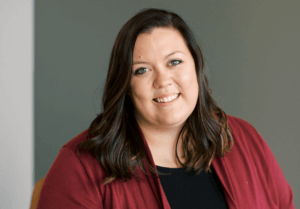
Deborah Cavitt, MS, Family Support Program Manager – Minnesota Association for Children’s Mental Health
Level: Basic | For: Educators, parents/caregivers, other professionals working directly with children and youth | Ages addressed: Prenatal through young adult
This workshop meets the state requirements for educator re-licensure.
Deborah Cavitt is an advocate, trainer, and program manager for Minnesota Association for Children’s Mental Health (MACMH). Cavitt gives presentations and works on projects with schools, children, youth, parents and professionals to increase understanding and reduce the stigma related to mental health disorders. As a parent coach and advocate, she helps families navigate systems on their journey of raising a child with mental health challenges. Deborah has a master’s degree in human services with specializations in mental health and substance use counseling and a bachelor’s degree in education. Before joining MACMH, she worked as a prevention specialist and grant coordinator for a substance abuse treatment agency in Iowa City. Preceding her mental health and substance use prevention work, she was a teacher for over twenty years, working on the White Earth Indian Reservation in Northern Minnesota.
Create a FREE user profile or login to register
Expires January 1, 2025 | 3 CEHs | $45 | On Demand Webinar | Clinical Content
This webinar is approved for 2.5 hours of clinical content
Sensory Processing and Mental Health teaches participants the basics of sensory processing differences and how they impact daily functioning. These concepts will be related back to a variety of common mental health diagnoses, life circumstances, and impact on behavior. This presentation will promote understanding of preventative strategies as well as optimize function for children with sensory processing differences and mental health challenges to create a positive and predictable environment. Participants increase their understanding of Winnie Dunn’s theory of sensory processing including eight sensory systems, realistic interventions to promote improvement in daily functioning, and the connection between sensory processing challenges and common mental health disorders. The information in this presentation aims to assist educators in reducing behavioral challenges rooted in sensory processing differences, improving their ability to anticipate the needs of students before behaviors become disruptive to classroom functioning, and build confidence in addressing sensory needs of all students.
Learning Objectives:
+ Understand The Trauma Informed Mindset and How it Relates to Sensory Processing
+ Explore The 4 Sensory Processing Quadrants
+ Explore The 8 Sensory Systems
+ Discover Realistic Interventions
+ Understand Sensory Processing in Relation to Cognition
+ Understand Sensory Processing in Relation to Common Mental Health
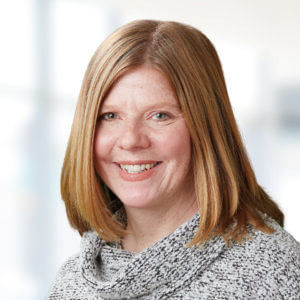
Jessica Villery, OTS, OTR/L, Occupational Therapist and Instructional Support Staff – GO! Therapy and University of Minnesota
Level: Basic | For: Juvenile/Restorative Justice Professionals, Education Professionals, Health Care Professionals, Mental Health Professionals | Ages Addressed: 6 years – Adulthood
About the Presenter
Jess is an occupational therapist who has worked in outpatient pediatrics, school-based practice, and currently in mental health, partial hospitalization and academia. Her areas of specialty include sensory processing differences, trauma informed care, challenging behaviors, mental health, neurodivergence, and program development. She is currently the occupational therapist at PrairieCare Mankato and provides instructional support for professional development and program development courses in the occupational therapy department at University of Minnesota on the Twin Cities and Rochester campuses. In her free time, she enjoys crafting (quilting, stained glass, and crocheting), gardening, spending time with her husband and pets, and spending time with friends.

Create a FREE user profile or login to register
Expires January 15, 2025 | 2 CEHs | $30 | On Demand Webinar | Youth Panelists
This presentation will present information on fetal alcohol spectrum disorders (FASD), address common misunderstandings, and offer practical strategies. Learn how prenatal alcohol exposure impacts brain development, and how you can use this information to improve outcomes for individuals with FASD. Youth with FASD will also share their personal stories and advice based on their own experiences.
Learning Objectives:
+ Understand how prenatal alcohol exposure impacts brain development.
+ Acquire strategies to help individuals with FASD.
+ Learn approaches from FASD self-advocates with lived experience.
Kendra Gludt, MPH Director of National Programs – Proof Alliance & Marissa Lang, Senior Program Manager – Proof Alliance & Members of the Proof Alliance Youth Panel
Level: Basic | For: Everyone | Ages Addressed: Early Childhood – Young Adult
About the Presenters
Kendra Gludt, MPH, is the Director of National Programs at Proof Alliance, a nonprofit dedicated to preventing fetal alcohol spectrum disorders (FASD) and supporting all those impacted. In the 16 years that she has worked at Proof Alliance, Kendra has worked with many partnering agencies including clinics, treatment centers, county systems, and social service agencies, helping them change their practices to recognize and respond to FASD. Kendra is currently on the faculty of the SAFEST Choice Learning Collaborative, a HRSA-funded program that aims to reduce prenatal alcohol exposure and improve outcomes for children with FASD.
Marissa Lang has over 20 years working in the field of FASD. She began her career screening adjudicated youth for FASD through a federal grant project at Hennepin County Juvenile Corrections in Minnesota, followed by 18 years at Proof Alliance. In her role as Senior Program Manager at Proof Alliance, she is responsible for the development and implementation of programming for individuals with an FASD, and their families. She is also involved in the public policy work at Proof Alliance to help create long-term systemic change. Marissa is passionate about empowering youth using a strength-based approach and providing families critical skills to support loved ones with an FASD.

Create a FREE user profile or login to register
Expires February 2, 2025 | 4 CEHs | $60 | Webinar Recording | Cultural Competency Content
This webinar is approved for 4 hours of cultural competency content
Description: The Hmong are a growing population in the United States, with approximately 90,000 living in Minnesota. Most have immigrated since the mid-1970s from Southeast Asia to escape the effects of the Vietnam War. Historically, the Hmong people struggle with intergenerational trauma, poverty, and persecution. This workshop is a comprehensive, in-depth assessment of the Hmong American community, their uniqueness as a culture, their societal struggles, and their mental health issues. Furthermore, this course will also invite participants to become multilingual in their ability to treat patients, as they also become more self-aware of their own cultural biases along with the biases of others. This workshop will advocate for cultural humility, recognizing the value in each culture’s strengths, utilizing them in the appropriate opportunities to endorse collaboration across all races, ethnicities and nationalities. Finally, effective and culturally competent applicational strategies will be introduced and discussed.
Learning Objectives:
- To gain an in-depth and comprehensive knowledge and awareness of the unique cultural/societal issues that the Hmong community in the United States has, which also impacts their mental health
- To be able to identify strengths in the Hmong community with regards to addressing mental health concerns.
- To be able to provide effective and culturally competent strategies in helping the Hmong and their families to appropriately deal with mental health, relational, and societal issues.
Maria Moua, MA, LMFT – Founder & Licensed Marriage and Family Therapist, Maria Moua Therapy LLC
Level: Intermediate | For: Mental Health Professionals | Ages Addressed: All
About the Presenter
Maria Moua is a Licensed Marriage and Family Therapist. She is also a certified perinatal/postpartum counselor. As a first-generation American born in the United States and a daughter of Hmong refugee immigrants, she is passionate about working in the community and helping people strive and grow into their best potential. She’s been practicing in the mental health field for over 13 years, with a foundation of her work being in intensive in-home family-systems therapy, multisystemic therapy, and Children’s Crisis. Maria is also the coordinator for the Hmong MFT Support Group. Maria currently runs her private practice, Maria Moua Therapy LLC.
Website: https://mariamouatherapy.com
Facebook: https://www.facebook.com/profile.php?id=100085386173990
Create a FREE user profile or login to register
Expires May 17, 2026 | 2 CEHs | $30 | On-Demand Recording | Clinical Content
This webinar is approved for 2 hours of clinical content
Description: Eating Disorders are on the rise. Research indicates that the incidence of eating disorders in teens has doubled during the pandemic. Because eating disorders can have irreversible physical consequences in youth it is important for all mental health professionals to understand the different eating disorder diagnoses, high-risk groups, how to screen and assess, and understand referral parameters for specialty ED treatment.
Eating disorders are secretive illnesses where individuals often minimize, hide and rationalize ED behaviors and physical changes. It is rare that they seek help on their own. Because of this, professionals working with children and adolescents are in a unique position to identify ED warning signs and refer individuals for treatment. Early detection and intervention are correlated with better outcomes.
Learning Objectives:
- Learn how to identify eating disorder warning signs and refer individuals for treatment.
- Understand the different eating disorder diagnoses & high-risk groups for these diagnoses.
- Discover how to screen and assess for eating disorders, and understand referral parameters for specialty ED treatment.
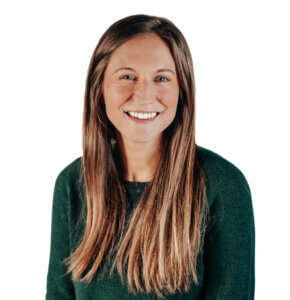
Dr. Heather Gallivan, PsyD, LP – Clinical Director, Melrose Center
Level: Basic | For: School system professionals including counselors, parents & caregivers | Ages Addressed: All
About the Presenter
Dr. Heather Gallivan (she/her), PsyD, LP, is the Clinical Director at Melrose Center. She joined Melrose in 2004 and has worked with eating disorder patients in all levels of care from outpatient to residential treatment settings. She obtained her doctoral degree in Clinical Psychology from the Minnesota School of Professional Psychology. Prior to joining Melrose Center, Dr. Gallivan served 5 years in the United States Navy as an active-duty psychologist. She is a passionate leader and teacher concerning the prevention and treatment of eating disorders, and how societal messages impact our beliefs and attitudes about food, weight, and body image.
This webinar was created in partnership with Melrose Center


Create a FREE user profile or login to register
Expires June 1, 2026 | 3 CEHs | $45 | Webinar Recording | DEVELOP Approved Content
This webinar is DEVELOP approved for 3 course hours in the following competency categories:
KCF Area IX: Trauma Informed Care
CDA Content Area III: Positive ways to support children’ social and emotional development
Description: When infants are born into this world, they come with a brain that is ready to learn through relationships. For those of us that choose to work with these infants and young children, we must understand the importance of holding a specialized set of skills to support their development through the context of relationships with their families. During this workshop, presenters will dive into the definition of IECMH, begin to understand how IECMH principles inform our work, and better understand the importance of reflection in our work.
Learning Objectives:
- Learn the definition of infant/early childhood mental health.
- Name at least 3 guiding principles of infant/early childhood mental health.
- Understand the necessity of reflection in infant/early childhood work.
Arielle Handevidt, MA, IMH-E – Senior Director of Early Education & Innovation, Northside Achievement Zone
Lauren Moberg, LMFT, IMH-E – Director of Infant & Early Childhood, Minnesota Association for Children’s Mental Health
Level: Basic | For: Everyone | Ages Addressed: Prenatal – 6
About the Presenters
Arielle Handevidt, MA, IMH-E is the Senior Director for Early Education & Innovation at the Northside Achievement Zone (NAZ),where she champions the social and emotional development and mental health of children, prenatal to age five, and their families and caregivers in North Minneapolis. Through this work, she has the privilege of interacting and building relationships with many dedicated partners, community members, colleagues, families, and scholars. In addition to her work with children and their families, she works to advance the ongoing professional development of a culturally competent interdisciplinary workforce to serve infants and young children. Arielle also serves as an instructor at the University of Minnesota’s Institute of Child Development in the Infant andEarly Childhood Mental HealthMasters and Certificate programs
Arielle has over 15 years of professional experience in the field of early childhood with specific expertise in adult education for early care and education providers, coaches, and trainers, as well as experience in policy and systems work through a multidisciplinary lens. Throughout her career, Arielle has had many opportunities to engage community members in different ways, including as a coach, program manager of community programs, and community representative. Using adult learning theories and an individual-led approach, she has experience coaching professionals from diverse backgrounds. Arielle has an Undergraduate Degree in child development and family studies from Minnesota State University, Mankato and a Master’sDegree in Child and Adolescent Development with an emphasis in Infant and Early Childhood Mental Health.
Lauren Moberg, LMFT, IMH-E is a Licensed Marriage and Family Therapist and is endorsed as an Infant Mental Health Specialist. She currently works as the Infant and Early Childhood Director at theMinnesota Association for Children’s Mental Health and also provides mental health consultation and reflective consultation to professionals working with or on behalf of infants and young children and their families/caregivers.
Our Training Series is designed to meet continuing education requirements for many disciplines. The following boards have provided CEH approval:
MN Board of Behavioral Health & Therapy – LPC, LPCC
MN Board of Behavioral Health & Therapy – LADC
MN Board of Marriage & Family Therapy
MN Board of Social Work
MN Board of Psychology
The following boards do not require pre-approved CEHs. CEHs should be approved upon independent submission to your board:
MN Board of Education
MN Nursing Board
ND Board of Social Work
Professionals in other related disciplines, as well as those working outside of Minnesota, can submit CEH certificates to their corresponding boards for independent approval.
A certificate of attendance will be provided to all registered training attendees. Boards may request attendance records at any time.
Do I have to pay to become a MACMH member to view On-Demand content?
In order to register for On-Demand content, you have to create a user profile or login to your MACMH user profile to register, BUT you do not have to pay to be a member with us.
We do offer a paid membership for our Infant & Early Childhood division (perks to this membership option can be found here), but any individual who registers for an event is automatically a free MACMH member!
There are registration fees for each On-Demand webinar just like with any of our other Professional Development events, but there are no additional fees for the added convenience of On Demand viewing & membership.
I don’t know my username/password for MACMH– How do I view my On Demand webinar?
Contact our admin team at info@macmh.org and they will be happy to send you instructions on how to access your username & password with us!
How long will I have to view a particular webinar in the On Demand Portal?
On Demand Webinars are available for 180 days after an individual registers for the webinar; This expiration date is built to ensure we continue to provide the most up-to-date mental health learning available.
Where can I find my Continuing Education Certificate in the On Demand Portal?
After you have watched the On Demand Webinar, you will be able to complete a survey related to the webinar in the “Click for Credit” tab on the right side of the On-Demand Portal course viewer. After submitting your evaluation, you will be directed to another page to submit for your Continuing Education Certificate; Once submitted, your certificate will be viewable in your On Demand Portal profile under the “My Certificates” tab.
For detailed instructions on how to purchase, view, and receive Continuing Education credit for webinars in our On Demand system, please see this link: Login-HowTo-ONDEMAND
For detailed instructions on how to purchase, view, and receive Continuing Education credit for webinars in our On Demand system, please see this link: Login-HowTo-ONDEMAND