Support During Back To School Season
August 28, 2024 | In The News
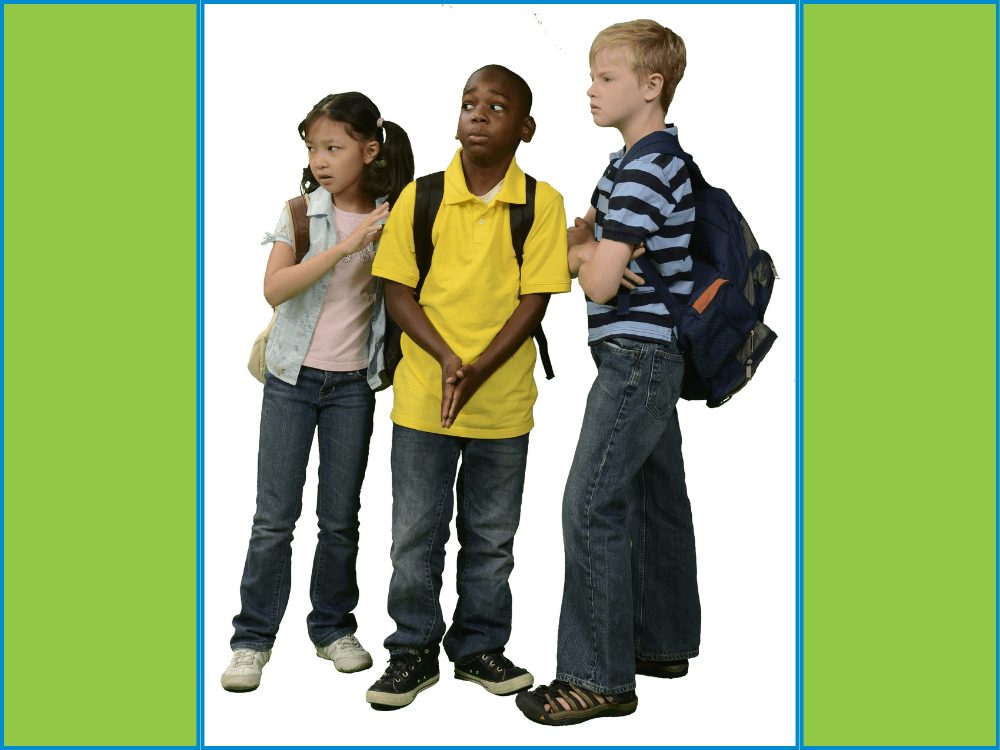
The back-to-school season can come with a mix of emotions: excitement, nervousness, insecurity, optimism. As a caregiver, it is important to understand how to promote optimal mental health for your student and the signs to look for that may indicate they need additional mental health support.
Watch for changes
Watch for physical changes or complaints like shortness of breath, dizziness, stomach ache, or muscle tension. These changes may indicate that a child’s mental health needs support.
Another common indicator, especially in young children, Executive Director Brandon Jones said is attachment. Whether it be to an adult or an item, younger children may be more likely to cling to something or someone as their routine changes back to school settings. Most often, this will settle and resolve after a few weeks, Jones said.
A full list of symptoms and behaviors that may indicate mental health challenges, like General Anxiety Disorder, can be found in MACMH’s Free Fact Sheets.
Talk about it
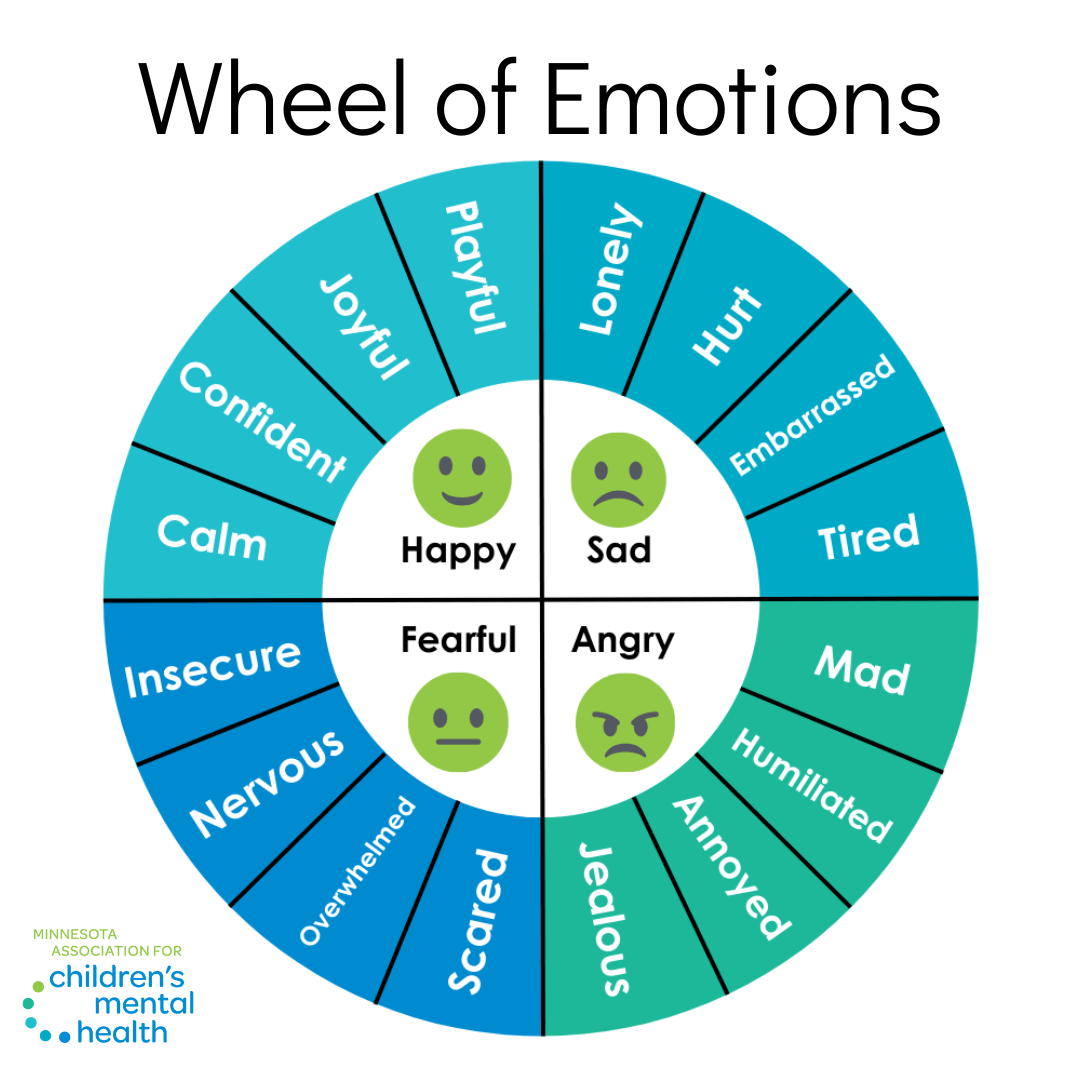
One of the greatest strategies a caregiver can utilize is conversation. Make talks around feelings a regular part of the day. Use a tool like the feelings wheel to help you share and identify your emotions and invite the child or young adult in your life to do the same.
For young children, find one with emojis or faces to model what emotions might look like. Be empathetic, supportive, and validate the feelings they choose to share.
A strategy Jones recommends is using picture books. Find the face of a character in a book and as your child what that character might be feeling. Have they ever felt like that? Do they feel like that now?
Check out MACMH’s “Phrases to Support the Parent/Caregiver-Child Relationship” resource for additional tips. Language is an important tool for helping kids regulate. This list of phrases includes examples of how language can be used by parents/caregivers to help buffer children from the effects of stress/trauma.
Collaborate with teachers and staff
Jones recommends getting ahead of any challenges that may come up during the school year and sending your child’s teacher an introductory email, sharing about your child and your willingness to collaborate through the year.
If you start to notice changes at home, a child’s teacher may notice similar changes in the classroom. Collaborate with educators on strategies that will create consistency, support, and routine for your child. There may be additional resources through your child’s school, like evaluations, counseling, or referrals to outside providers that could assist in this process.
Use tools and resources
MACMH is always sharing resources to use to promote optimal mental health in our children.
If you or your child is in mental health crisis, call the Crisis Response provider in your community. Find the number you need under MACMH’s list of mental health crisis resources or check with your local county for directions.
It is through collective effort and empathy that we can make the back-to-school experience safe and exciting for all children, continuing to promote optimal well-being from infancy to young adulthood.
Going back to school means new environments, academic pressures, social changes, and routine alterations. All this newness may evoke stress and anxiety in children and young adults. Look for changes in behavior, like isolating, more frequent bouts of tears, low frustration tolerance, unrealistic or obsessive fears.