Finding Calm Around the Election
October 29, 2024 | In The News
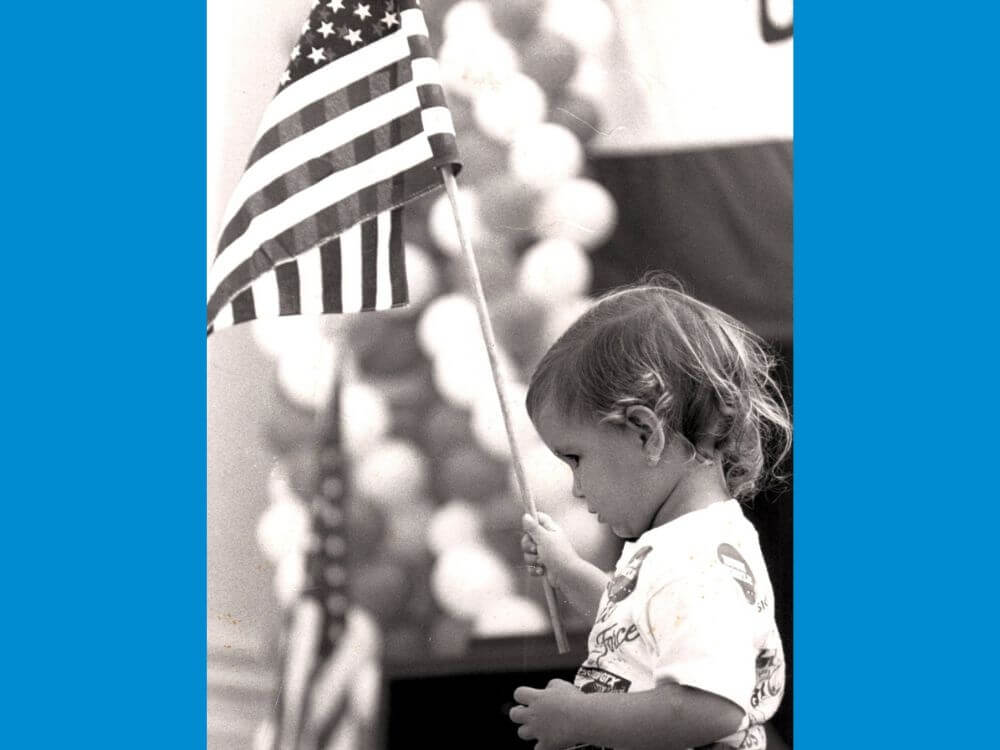
This has been one of the most politically loud and divisive years we have seen in a long time. Young people, especially teens and young adults, have been more engaged and vocal than before. The conversations are all around them – at school, on social media, in the community.
Just like adults, this time can be stressful for kids. Without mental health practices, this contentious climate can lead to burnout, anxiety, and dissociation. Here are seven ways to make sure that as a parent, caregiver, or loving adult, we can support the young people in our lives while they navigate their emotions around the election.
1. Create a Safe Space for Open Dialogue
Open a safe space to have dialogue around the election and politics. Remain calm and listen. Allow the young person to share their thoughts, feelings, and worries without trying to debunk, invalidate, or change their mind. They’re trying to piece things together and the best thing for them may be a place where they can make their voice heard.
This does not mean coming to an agreement. It means that even if uncomfortable feelings do come up, the young person, and you, can sit in it without being harmed.
2. Limit Media Exposure
We are living in the 24/7 news cycle. The podcasts we listen to, the notifications on our phones, the influencers on our feeds – everyone everywhere is sharing political content. Lean into what matters to you and only what you need. Encourage the young people in your life to do the same.
3. Encourage Critical Thinking Over Emotional Reactions
Political conversations are often driven by emotion. We can become so overwhelmed by feelings that we enter burnout and must completely tap out from engaging in the conversation.
By encouraging critical thinking when feelings arise, it can help prevent the symptoms of burnout. Let’s model for young people how to work through our thoughts and not act as a result of our feelings.
4. Model Emotional Regulation
This perfectly segues us into the importance of keeping grounded and maintaining mindfulness despite turbulent times. It’s important to regulate your emotions, but what does that look like?
Strategies to share with the young people in your life, but most importantly to model to them are practices like mindfulness, deep breathing, and time-outs from social media.
5. Encourage Involvement, but Avoid Pressure
Despite implementing all of these strategies, the young person in your life may be resistant to talking about politics and what is on their mind. And that’s OK! There is no need to pressure them to engage but continue to offer the time and hold space for them to participate without judgement or harm should they choose to.
Refrain from trying to direct outcomes, create narratives or influence thought processes.
6. Keep Focus on Core Values
The “us vs. them” climate is polarizing. The political identities that we may hold may lead to toxic spaces where young people feel forced to choose a side instead of exhibiting empathy and kindness.
Focus on core values that can connect us to each other. Though many of these may relate to politics, core values can be less divisive, helping to build bridges instead of digging moats.
7. Watch for Signs of Stress & Burnout
Just like adults, young people can become burnt out, too. Signs of stress and burnout to look for include,
- changes in appetite
- changes in sleep patterns
- dissociation
- coded messages or changing language and demeanor
Keep a keen eye out for how the young people in your life are doing and don’t be afraid to ask and open a safe space for conversation.
Election season is challenging for everyone, so stay engaged; stay open in communication; keep calm, balanced perspectives; encourage healthy coping strategies; and of course, stay safe, be constructive, and be well.