
RECORDING ACCESS HERE:
The newly rebuilt MetrCCS training site is fully operational. It is loaded with trainings for mental health crisis workers including all the session from the 5th Annual MN Mobile Mental Health Summit. It also contains all the documentation you need to submit for CEUs to your licensing board. The site is password restricted, but thanks to funding from DHS, access is free to people working in and around mental health crisis response. Please go check it out – and feel free to send feedback!
To access the training site, go to https://justcallmn.com/ and click on the “Provider Login” button.
If you already have an account/have accessed our trainings before: log into the site with your existing credentials.
If you have an account, but don’t remember your credentials: click the “Lost Your Password” button. That will let you reset your password.
If you don’t have an account/have never accessed the site before: click on the “Request Access” button and fill out the form. We will review your request and get back to you within 48 hours to help you create a new account.
If you have any difficulties – please email us at info@macmh.org.
Greetings!
The Minnesota Mobile Mental Health Crisis Response VIRTUAL Summit has become a prominent annual event that brings together leading professionals, experts, and innovators to discuss the latest trends, challenges, and advancements in mental health crisis response. This year’s summit promises to be an exceptional gathering featuring inspiring keynote speakers, thought-provoking discussions, and workshops.
Our theme is Compassion. Connection. Community.
Our Event Goals are:
- Provide top-notch training to mobile mental health crisis responders and their partners around the state to ensure that people experiencing a mental health crisis receive the best possible care.
- Elevate the field of mobile mental health crisis response as a sustainable, skilled profession.
- Build a well-rounded body of on-line training content that mental health crisis workers can access 24/7.
- Knowing that many of you are seeking more depth of content, we have a mix of entry level and more advanced offerings.
If you have any questions, please email MetrCCSSummit@MACMH.org
Featured Speakers

Tuesday, August 6 | Breakfast Keynote
Crisis Clinicians: Humans Expected to be Superheroes with Brandon Jones

Wednesday, August 7 | Breakfast Keynote
How Can Schools, School Mental Health and Crisis Response Support Youth and Families? with Dr. Mark Sander & True Thao
Wednesday, August 7 | Afternoon Keynote
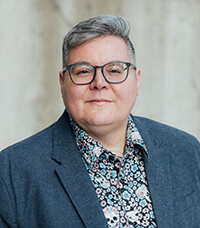
From self-care to community care: cultivating compassion for ourselves and each other in crisis work with Alex Iantaffi
Schedule
Tuesday, August 6
9:00 a.m. Breakfast, Welcome and Keynote
Crisis Clinicians: Humans Expected to be Superheroes
Presented by Brandon Jones | Keynote
Zoom Link HERE: https://us06web.zoom.us/j/89600951862
10:30 a.m. Break
10:45 a.m. Concurrent Workshops
1. Family Response and Stabilization Services with Ashley Andresen, Samira Adam & Asad Dahir | General level
Zoom Link HERE: https://us06web.zoom.us/j/84841429175?pwd=qI8SGh1V3cY1uW5cpwScnVFuVY98Ut.1
2. Psychological Aspects of Mass Casualty Trauma with David Swenson | General level
Zoom Link HERE: https://us06web.zoom.us/j/87132821418
3. How Can We Be Helpful If We Aren’t Feeling It? Six Fundamental Skills for Effective and Compassionate Helping with Alan O’Malley-Laursen | Advanced level
Zoom Link HERE: https://us06web.zoom.us/j/89202597469
12:15 p.m. Lunch Break
Zoom Link HERE: https://us06web.zoom.us/j/83395722777
1:00 p.m. Concurrent Workshops
4. Supporting Generations of Crisis Support Workers‚ Touting Self-Care is No Longer Enough with Jillian Lafferty | Innovation
Zoom Link HERE: https://us06web.zoom.us/j/86474024661
5. Effective Interventions for Helping People with Frequent Police Contact with Krismarie Claflin, Marcus Smith & Patti Molitor | Advanced level
Zoom Link HERE: https://us06web.zoom.us/j/82776758285?pwd=78Z02R4d11rN7iREDUa1F0jGJF3gqD.1
6. CANCELED Reducing Barriers to Accessing Inpatient Care with Nancy Steffen | General level
1:45 p.m. Break
2:00 p.m. Concurrent Workshops
7. The Painful Reality of Increased Anti-Semitism: Best Practices for Supporting Jews in Crisis with Leah Persky & Natalie Oleson | General level
Zoom Link HERE: https://us06web.zoom.us/j/85157266671?pwd=8g7Wff8zi5foWHknppIFDPSOGysa1H.1
8. It’s not illegal to be mentally ill: A partnership with law enforcement to close the gap in the system with Amber Barnes & Jen Peterson | General level
Zoom Link HERE: https://us06web.zoom.us/j/83361971325
9A. Mental Fitness for Crisis Responders (part 1) with Sandi Lindgren | General level
Zoom Link HERE: https://us06web.zoom.us/j/89320518942
3:00 p.m. Break
3:30 p.m. Concurrent Workshops
9B. Mental Fitness for Crisis Responders (part 2) with Sandi Lindgren *attendance at part 1 is required for participation in this session | General level | Please note: This free assessment is required for those taking Sandi’s Part 2 course, but will be interesting and helpful for anyone who takes this assessment.
Zoom Link HERE: https://us06web.zoom.us/j/89320518942
10. The Importance of Peer Collaboration in Crisis Response with Jacinta Moss, Totianna Poe & Sara Danielson | Innovation
Zoom Link HERE: https://us06web.zoom.us/j/86510335608?pwd=GhmIGFRzkuVRmsnfifJib9N4BIvTbT.1
11. Embedding Suicide Assessments into Affirming and Empathetic Conversations with Kelsey Yale | General level
Zoom Link HERE: https://us06web.zoom.us/j/84185070264
5:00 Closing
Wednesday, August 7
9:00 a.m. Breakfast, Welcome and Keynote
How Can Schools, School Mental Health and Crisis Response Support Youth and Families?
Presented by Dr. Mark Sander & True Thao | Keynote
Zoom Link HERE: https://us06web.zoom.us/j/81756182585
10:30 a.m. Break
10:45 a.m. Concurrent Workshops
12. Clinical Considerations: Working with Hispanic Clients in Crisis with Charles Jones | Innovation
Zoom Link HERE: https://us06web.zoom.us/j/85334944781?pwd=P2nKN1W9aZjCNMvIE05PKYUUPnh4E1.1
13. Restorative Self-Care & Secondary Trauma with Danielle Thornton & Kabao Yang | General level
Zoom Link HERE: https://us06web.zoom.us/j/89857474085
14. Practicing Cultural Humility in Crisis Response with Hannah Dufek | General level
Zoom Link HERE: https://us06web.zoom.us/j/81265875855
11:45 a.m. Lunch Break
Zoom Link HERE: https://us06web.zoom.us/j/82170512573
12:30 p.m. Concurrent Workshops
15. Shifting Thoughts: A Collective Journey Inward with Breanna McMullen | General level
Zoom Link HERE: https://us06web.zoom.us/j/87856264341
16. How to Spot Covert Abuse & Manipulation with Heather Boorman-Morris & Antwan Morris | General level
Zoom Link HERE: https://us06web.zoom.us/j/89298747888?pwd=ZvtkD0lJuzrf8S5ZZddn7wp1xXJGkR.1
17. What A Shame! Utilizing Ancient Wisdom for Resilience with Tascha Just | General level
Zoom Link HERE: https://us06web.zoom.us/j/86786379086
2:30 p.m. Break
2:45 p.m. Concurrent Workshops
18. The Trauma-Informed Professional: Masterfully Turn Work-Life Stress into Purpose & Peace with Kathryn Magnusson | Keynote
Zoom Link HERE: https://us06web.zoom.us/j/82652115887
19. What Little Ones Really Need in a Crisis Situation with Michele Benyo | General level
Zoom Link HERE: https://us06web.zoom.us/j/83651400377
20. Trauma-Responsive Mind-Body Practices for Safety and Connection with Chrissy Mignogna | Innovation
Zoom Link HERE: https://us06web.zoom.us/j/82808858386?pwd=m9QauH9iCytwpby1zbNZw20c5vzVqZ.1
3:30 p.m. Break
3:45 p.m. Afternoon Keynote
From Self-Care to Community Care: Cultivating Compassion for Ourselves and Each Other in Crisis Work
Presented by Alex Iantaffi | Keynote
Zoom Link HERE: https://us06web.zoom.us/j/86180716101
4:55 Farewell
5:00 Closing
Mental fitness includes increasing your positive vs. negative ‘mental muscles’. Saboteurs are responsible for all our negative thoughts. Increasing your self-awareness about your own ’saboteurs’ will help you understand how to counteract their negativity. This free assessment is required for those taking 9B. Mental Fitness for Crisis Responders (part 2) with Sandi Lindgren, but will be interesting and helpful for anyone who takes this assessment. Click here to take the assessment.
Workshop Access
We will be using the Zoom platform to host the summit. Zoom links will be sent out closer to the event date.
Webinar Recordings
Recordings of each workshop will be available after the summit.
CEHs
This summit has been approved for up to 32 continuing education hours (CEHs) from the MN Board of Social Work. For other MN Boards, please submit CEHs independently. CEHs will be available after the summit’s completion.
Questions
Please contact us at MetrCCSSummit@MACMH.org.
Handout Link: https://drive.google.com/drive/folders/1MwgOcZIx296rRUvFBnDCBIR8fGFN4Hrk
Presentation Title: Crisis Clinicians: Humans Expected to be Superheroes
Presented by: Brandon Jones
Brief Description: This presentation begins with diving to the core of what makes a crisis responder unique and evokes self-reflection on why we choose this path for a career. Human emotions are at the heart of crisis work and clinicians are not exempt from the chaos and uncertainty of life today. So why do we “show up” with force when we too are exhausted? How do we keep compassion when stress fills our day-to-day life too? If you have forgotten, come listen. We are all human and getting back to the basics will revive you!
Three Learning Objectives: Attendees will walk away understanding the six basic fears that can cause interactions to be challenging.
Participants will be better able to analyze chaotic situations and know how to control them.
Attendees will learn a powerful rule of communication and uncover a superpower they did not know they possessed.
Content Level: Keynote: Of interest to all attendees. Content is especially motivational or thought-provoking.
Duration: 1.5 hours
Date: August 6th, 2024
Time: 9:00 AM
Presenter(s) Bio:
Handout Link: https://drive.google.com/drive/folders/1EbnT2iu4HpIw6yJ0UQa-4ytQe6y07Upd?usp=drive_link
Presentation Title: Family Response and Stabilization Services
Presented by: Ashley Andresen, Samira Adam, and Asad Dahir
Brief Description: Family Response and Stabilization Services (FRSS) services are aimed at ensuring the safety and wellbeing of children, youth, and their families/caregivers by providing them immediate support when parents/caregivers identify urgency related to behavioral escalation. FRSS provides immediate in-person response and coordinates subsequent stabilization services to children, youth, their families, and caregivers.
Three Learning Objectives: 1. Family Response and Stabilization Services as a unique service model that has proven effective outcomes.
2. How family/community engagement was the foundation for building FRSS
3. The partnership between the county and community agencies (Nexus, Change Inc., Summit-Guidance) in supporting families.
Content Level: General level: Covers crisis response basics and terminology.
Innovation: Designed to highlight new learnings, strategies, or lines of thinking.
Duration: 1.5 hours
Date: August 6th, 2024
Time: 10:45 AM
Presenter(s) Bio: Ashley Andresen is a Lead Family Responder with Family Response and Stabilization Services. She has been working in Family Response since the program launched in the summer of 2021. Ashley’s primary job duties include responding to families, training new responders, and teaching Therapeutic Crisis Intervention.
Samira Adam holds a master’s degree in social work from Augsburg University. She worked as a school-based therapist and a mental health practitioner in a community-based organization. Samira is fluent in Somali, Swahili and English and has experience working with youth and families from diverse background.
Asad Dahir is a Children’s Mental Health program manager at Hennepin County. He oversees Family Response and Stabilization Services and a System of Care initiative lead.
Handout Link: https://drive.google.com/drive/folders/1YHydmuBgkKQ6jwd_m_LcBtMG-P9tSOFW?usp=drive_link
Presentation Title: Psychological aspects of mass casualty trauma
Presented by: David Swenson
Brief Description: Mass casualties include school and public shootings, toxic accidents, weather disasters, airline crashes and others. The responders to these incidents save others but often carry with them the trauma of intense stress. This presentation describes the physiology and psychology of these reactions, effects on adjustment and performance, and operational and personal methods for stress management and resiliency development.
Three Learning Objectives: 1. To understand how disaster events produce adverse reactions in responders
2. Identify the short and long term of crisis stress
3. Describe and demonstrate operational and personal methods for stress management and resiliency
Content Level: General level: Covers crisis response basics and terminology.
Advanced level: For experienced crisis responders diving deep into a topic.
Innovation: Designed to highlight new learnings, strategies or lines of thinking.
Duration: 1.5 hours
Date: August 6th, 2024
Time: 10:45 AM
Presenter(s) Bio: I am a PhD LP forensic psychologist with specialization in crisis management. I’ve been a consultant and trainer with law enforcement, emergency services, and military over the past 50 years as well as been a responder. I have published and presented widely on crisis and stress management and resiliency in emergency services. I retired as Director of our MBA in Rural Health at the College of St. Scholastica where I still teach research, and I consult regularly with health and human service agencies in Minnesota and Wisconsin.
Handout Link: https://drive.google.com/drive/folders/1KsoYES-vgsm9G9S3ViJs746Acr4Yi_zM?usp=sharing
Presentation Title: How Can We Be Helpful If We Aren’t “Feeling It”? – Six Fundamental Skills for Effective and Compassionate Helping
Presented by: Alan O’Malley-Laursen
Brief Description: Crisis response work can have an adverse impact on one’s personal and professional well-being, as well as on professional effectiveness. Utilizing a unique blend of presentation, topic-specific live music and space for reflection, this workshop examines the emotional impact of this work and highlights strategies for maintaining personal and professional resilience, focusing on 6 specific skills fundamental to effective and compassionate helping.
Three Learning Objectives: Participants will experience validation and have additional language for the personal struggles in doing crisis response work
Participants will have an in-depth understanding of six critical skills for effective and compassionate helping
Participants will leave with an enhanced sense of hopefulness and inspiration regarding their professional work
Content Level: Advanced level: For experienced crisis responders diving deep into a topic.
Innovation: Designed to highlight new learnings, strategies or lines of thinking.
Keynote: Of interest to all attendees. Content is especially motivational or thought-provoking.
Duration: 1.5 hours
Date: August 6th, 2024
Time: 10:45 AM
Presenter(s) Bio: With over 40 years of experience in human services, including crisis response work, Alan’s current work focuses on professional well-being and resilience. He has provided numerous workshops on secondary traumatic stress and effective helping to various human service organizations and conferences across the state of Minnesota, as well as multiple times at the San Diego International Conference on Child and Family Maltreatment and in collaboration with the National Child Abuse and Neglect Technical Assistance and Strategic Dissemination Center in Washington, D.C., the California Evidence Based Clearinghouse for Child Welfare and the National Child Traumatic Stress Network.
Handout Link: https://drive.google.com/drive/folders/1zhjawb0PYW9XpPdCSfzh5nywyfGMyHZS?usp=sharing
Presentation Title: Supporting Today’s Crisis Support Workers – Promoting Self-Care is No Longer Enough
Presented by: Jillian Lafferty
Brief Description: Unlike previous generations that have had their fair share of challenges, Crisis Support Workers in this day & age are flooded with the convergence of economic instability, political polarization, the effects of climate change, gun violence, and the COVID-19 pandemic, which has exacerbated these challenges, and left millions facing disruptions in their education, career, and social life. The time has come for people-first workplaces that meet their needs through compassionate policies, mental health transparency, and a culture of openness and belonging. Touting self-care is no longer enough, when we are learning that mental health requires a multifaceted approach and actionable strategies. Join me in discussing creative ways that will support supervisors looking to make a difference in setting the workplace tone for our Crisis Support Workers.
Three Learning Objectives: 1) Cultural expectations: More and more, employees are looking at culture when identifying a place to work. They want to know that the team is supportive of each other. They want to see that colleagues and leadership value them as a person, not just their work production.
2) Work is not the identity: Previous generations have built their self-worth around their productivity and success in the workplace. In a post-pandemic society, employees are much less likely to be workaholics, and they will not appreciate being asked to overexert themselves for the company benefit.
3) Need for flexibility and authenticity from leadership: Today’s workers place a higher value on flexibility than previous generations. Additionally, it is not just women who want to be there for their children. Fathers are speaking out to employers and expecting the same flexibility for these family moments. In addition, the workforce wants their leadership to be authentic. They will not stand for empty promises or lackluster recognition when things are hard.
Content Level: Innovation: Designed to highlight new learnings, strategies or lines of thinking.
Keynote: Of interest to all attendees. Content is especially motivational or thought-provoking.
Duration: 45 minutes
Date: August 6th, 2024
Time: 1:00 PM
Presenter(s) Bio: Jillian is a Program Coordinator for the Children’s Mobile Response & Stabilization Services, as well as the Family Crisis Intervention Unit. In addition, Jillian is a certified crisis intervention trainer for the Crisis Prevention Institute.
Handout Link: https://drive.google.com/drive/folders/1uVSRW-c-J3Wqrdr1z2xZry_5zaw8aqHX?usp=drive_link
Presentation Title: High Frequency Users and Residential Homes
Presented by: Krismarie Claflin, Officer Marcus Smith, Patti Molitor
Brief Description: Dakota County Social Services, Apple Valley Police and Dakota County Sheriff’s Department have developed collaborative approach to address those who have historically had a high volume of police contact for mental health crisis. What we have learned and what we have implemented has proven successful in reducing 911 and crisis calls as well as providing a more efficient understanding and definition of success.
Three Learning Objectives: Understanding of high frequency use of emergency services.
Interventions for best outcomes
Evaluation of success
Content Level: Advanced level: For experienced crisis responders diving deep into a topic.
Duration: 45 minutes
Date: August 6th, 2024
Time: 1:00 PM
Presenter(s) Bio: Krismarie (Kibbie) Claflin has been a member of Dakota County’s Crisis continuum since 2016 serving with Crisis Response. They are currently embedded with Apple Valley Police and Dakota County Sheriff’s Office. The partnered teams provide initial outreach for those who have had interactions with law enforcement while experiencing a mental health crisis. Kibbie is also a Crisis Negotiator with South Metro S.W.A.T.
Presentation Title: Reducing Barriers to Accessing Inpatient Care
Presented by: Nancy Steffen
Brief Description: This presentation will highlight the number of patients boarding in the ED and provide information on PrairieCare’s Family First admission process as well as our Mobile Admissions Process. We will provide information on steps we are actively taking to reduce barriers to this level of care.
Three Learning Objectives: Identify and understand inpatient level of care.
Review the impact of community admissions.
Identify barriers to care and the secondary trauma that often comes with these barriers.
Content Level: General level: Covers crisis response basics and terminology.
Innovation: Designed to highlight new learnings, strategies or lines of thinking.
Duration: 45 minutes
Date: August 6th, 2024
Time: 1:00 PM
Presenter(s) Bio: Dr. Steffen currently works as the Director of Assessment and Intake with PrairieCare. She has extensive experience in crisis response, residential crisis stabilization, and the overall admissions process. Dr. Steffen has been with PrairieCare for four years.
Handout Link: https://drive.google.com/drive/folders/1SMvQ-FAoo6RDeIfnInCUAFOHvFYlp7c7?usp=drive_link
Presentation Title: The Painful Reality of Increased Anti-Semitism: Best Practices for Supporting Jews in Crisis
Presented by: Leah Persky & Natalie Oleson
Brief Description: With the Hamas-Israeli War, anti-Semitism has increased in the US and globally. This has led to increased levels of stress, anxiety, and depression for many Jews. This presentation will explore best practices for supporting Jews in crisis today. Topics include inter-generational trauma, stigma, exploring what anti-Semitism and crisis looks like, and raising awareness about anti-Semitism.
Three Learning Objectives: 1) Understand the complex impacts of anti-semitism on wellbeing for Jewish people in the US.
2) Explore how inter-generational trauma impacts best practices for supporting Jews in crisis today.
3) Explore what anti-Semitism is and is not, how to talk about it, and confront it.
Content Level: General level: Covers crisis response basics and terminology.
Duration: 1 hour
Date: August 6th, 2024
Time: 2:00 PM
Presenter(s) Bio: Leah Persky has more than 13 years of experience teaching and developing community programs which focus on public health, gender and family wellbeing. She has a PhD in political science and a master’s degree in conflict resolution & international studies. Leah recently completed a program to become a certified life coach. She has a passion for fitness, skiing, gardening and being outside. She works to holistically support families and the community in her work at JFCS
Natalie (she/her) is an empathetic, friendly, compassionate, and skilled clinician. She often uses humor in her practice. Clients say they appreciate her laid-back and grounded approach to therapy. Natalie does not believe she has all the answers for you, but rather that her job is to be with you on the journey. She enjoys working with people struggling with anxiety and/or depression, who are trying to set boundaries in their relationships, and/or need a safe space to feel their feelings and discuss their life. Natalie specializes in working with both children and adults (ages 5+) to help ease suffering and improve overall functioning. She has a master’s degree in social work from St. Thomas. Natalie is an avid reader, coffee drinker, podcast listener, and animal lover (cats specifically, but she like dogs too).
Handout Link: https://drive.google.com/drive/folders/1MFN60fUfWECu0MkIJfigwzDlg9PTAVBo?usp=sharing
Presentation Title: It’s not illegal to be mentally ill: A partnership with law enforcement to close the gap in the system
Presented by: Amber Barnes & Jen Peterson
Brief Description: Scott County’s Coordinated Responses mission is to improve outcomes for those living with mental illness and substance use via partnerships with our local law enforcement. This presentation will discuss lessons learned in the first year of a new program, helpful ways to collaborate while respecting differentiating roles, being HIPPA compliant, and the importance of writing a detailed and descriptive transport hold.
Three Learning Objectives: Provide an overview of the Scott County Coordinated Response program, from the launch of a new program to now beyond a year in operation.
Establishing a partnership with law enforcement
How our program navigates common legal barriers such as maintaining HIPPA compliance and writing an effective transport hold.
Content Level: General level: Covers crisis response basics and terminology.
Innovation: Designed to highlight new learnings, strategies or lines of thinking.
Duration: 1 hour
Date: August 6th, 2024
Time: 2:00 PM
Presenter(s) Bio: At Scott County, I currently supervisor our Pre-Petition Screening Team, our Forensic Case Management Team, and our Coordinated Response Team. Coordinated Response is a new program and partnership between Scott Co Health & Human Services, and our local law enforcement where we embed social workers into the police departments to more appropriate respond to, and follow up on mental health 911 calls. This program embedded social workers in the Scott Co Jail, Scott County Sheriffs Office, Savage PD, and Shakopee PD, and launched in March of 2023. Our only referral source is law enforcement officers/deputies, and since launch, we have received over 1100 referrals for individuals needing mental health support in the Scott County community.
Jen has over 20 years of Human Service experience working with children and families. She serves as the Licensed Lead on the Coordinated Response team in Scott County, which is an embedded social worker partnering with law enforcement providing follow-up response to mental health and substance use related calls for service. Prior to this, she worked at the River Valley Behavioral Health and Wellness Center as a Therapist. She worked 12 years as a School Social Worker in Shakopee Public Schools. She graduated from the University of Minnesota Twin Cities campus with a Masters in Social Work.
Handout Link: https://drive.google.com/drive/folders/1-N7Zb155qX5YBonYXaCDNebAOD4je-_i?usp=sharing
Presentation Title: Mental Fitness for Crisis Responders (part 1)
Presented by: Sandi Lindgren
Brief Description: Self-care impacts your ethical behavior. Mental Fitness helps you respond to challenges with a positive mindset and less stress. In this highly researched work of Positive Intelligence, you’ll learn how to strengthen the part of the brain that serves you and quiet the part of the brain that sabotages you. You’ll leave with tools you can use immediately at home, work, and with clients.
Three Learning Objectives: Participants will:
1. Understand how self-care and ethical behavior are linked
2. Learn the three basic principles of Positive Intelligence and Mental Fitness
3. Practice and take home easy-to-use exercises to strengthen Mental Fitness.
Content Level: General level
Duration: 1 hour
Time: 2:00 PM
Handout Link: https://drive.google.com/drive/folders/1UYqa0Z-g4SWMiTdlbgOsHPA2PMTW7M1K?usp=sharing
Presentation Title: Mental Fitness: The Saboteurs (part 2)
Presented by: Sandi Lindgren
Brief Description: We all have the Judge, but which of these nine Saboteurs impact you the most: Avoider, Controller, Hyper-Achiever, Hyper-Vigilant, Hyper-Rational, Pleaser, Restless, Stickler or Victim? Once you recognize your Saboteurs, you can more easily intercept them and switch to your Sage! Complete your FREE assessment PRIOR to this workshop. https://assessment.positiveintelligence.com/saboteur/overview. (this session builds on part 1 (Mental Fitness for Crisis Responders) -otherwise this session won’t make sense)
Three Learning Objectives: 1. Participants will identify their top Saboteurs which cause them most of their negative emotions.
2. Participants will learn to recognize their saboteurs and the lies they’ve been telling.
3. Participants will recognize the impact of their saboteurs on themselves and their relationships.
Content Level: General level
Duration: 1.5 hours
Date: August 6th, 2024
Time: 3:30 PM
Presenter(s) Bio: Sandi Lindgren, PhD, MSW, LICSW, PCC, is dedicated to empowering youth by providing professional coaching, training, and consulting services through her company, iSupportYOUth! LLC. With a focus on enhancing the capabilities of professionals in youth-serving organizations, Sandi is committed to ensuring that youth and young adults receive optimal support. Her expertise includes areas such as mental health, emotional intelligence, mental fitness, social work, executive leadership development and coaching, and supervision and mentor coaching. For inquiries, reach out to Sandi at sandi@sandilindgren.com.
Mental fitness includes increasing your positive vs. negative ‘mental muscles’. Saboteurs are responsible for all our negative thoughts. Increasing your self-awareness about your own ’saboteurs’ will help you understand how to counteract their negativity. This free assessment is required for those taking Sandi’s Part 2 course, but will be interesting and helpful for anyone who takes this assessment: https://assessment.positiveintelligence.com/saboteur/overview
Presentation Title: The Importance of Peer Collaboration
Presented by: Jacinta Moss, Totianna Poe & Sara Danielson
Brief Description: Panelist of Certified Peers, Family Peers, and Recovery Peers will present to those attending through the use of facilitated questions how peers are instrumental in the work with clients experiencing crisis, and those assisting clients in crisis such as law enforcement, or clinicians. This will be an interactive session. The first half will be the facilitated questions by facilitator to Peer Panelists, followed by a chance for the audience to ask questions.
Three Learning Objectives: 1. Attendees will gain an overview of the role of Peers within crisis work.
2. Attendees will also have a chance to ask Peers questions that they have regarding collaboration with Peers.
3. Attendees will gain a clear understanding of the “Importance of Peer Collaboration” within crisis work
Content Level: Innovation: Designed to highlight new learnings, strategies or lines of thinking.
Duration: 1.5 hours
Date: August 6th, 2024
Time: 3:30 PM
Presenter(s) Bio: Hello, my name is Jacinta Moss and I’m the mother of two beautiful children. I am a Certified Family and Recovery Peer. I have been going through mental health, most of my life and have a great wealth of lived experience.
Hello, my name is Totianna Poe, I have been working at Canvas Health- Anoka Mobile Crisis for nine months. I have been working in social services/health care for 15 years.
Handout Link: https://drive.google.com/drive/folders/1NIc5CB2yAsMNejPPzLDEJY-5nvUNSOaX?usp=drive_link
Presentation Title: Embedding Suicide Assessments into Affirming and Empathetic Conversations
Presented by: Kelsey Yale
Brief Description: Suicide Assessments can be an uncomfortable or nerve-wracking process even for crisis workers who do them regularly. In this session we are going to challenge our discomfort, lean into empathetic listening skills, and let go of the concept of control, in order to get more truthful answers to questions about suicide risk and strengthen rapport with our service recipients.
Three Learning Objectives: 1. Identify leading and ambiguous questions that often end up in suicide assessments and keep us from getting good information.
2. Investigate our own discomfort around asking questions about suicide and make a plan for practice.
3. Conceptualizing what could happen if we put down the checklist and orient ourselves to conversations about suicide.
Content Level: General level: Covers crisis response basics and terminology.
Duration: 1.5 hours
Date: August 6th, 2024
Time: 3:30 PM
Presenter(s) Bio: Kelsey Yale, LICSW (she/her) received her master’s degree from the University of Washington in 2020. Kelsey was with Canopy Roots when they launched the Minneapolis Behavioral Crisis Response program as a Lead Responder and has since moved into her role as Training & Development Manager. Kelsey has experience working in county-based mobile crisis response teams and the national suicide prevention hotline programs in Washington State.
Handout Link: https://drive.google.com/drive/folders/1DCzMAvJSUMzWsI5uO9bMJWnMJue2EqkP?usp=drive_link
Presentation Title: How can schools, school mental health and crisis response support youth and families?
Presented by: Mark Sanders and True Thao
Brief Description: We know that the last few years have been hard on kids. This conversation between a school-based mental health expert and a crisis team leader will explore how our kids are doing, and what we need to be doing across sectors to make sure they are, in fact, alright. Bring your questions and thoughts to this interactive session!
Three Learning Objectives:
- Participants will learn what some of the trends in mental health among children and adolescent.
- Participants will learn how schools and school-based mental health programs work address the mental health needs of youth.
- Participants will learn how crisis response provides wraparound support to youth and families.
- Participants will learn how crisis response, school mental health providers and schools can partner to help stabilize and move a youth and family through a crisis situation.
Handout Link: https://drive.google.com/drive/folders/1vqsYvUq2gkPMTB5xWTr5Nbg1lKX1SBia?usp=drive_link
Presentation Title: Clinical Considerations: Working with Hispanic clients in crisis
Presented by: Charles Jones
Brief Description: Using real life examples and stories, Charlie will expand our understanding of how current events, the social, economic, and political forces on an international scale present multiple challenges when working with Latino/Hispanic clients who are in crisis
Three Learning Objectives: Clinical concepts and their application to Latino populations. The impact of immigration, trauma, economics, and politics on Latino populations. Adapting crisis interventions to situations
Content Level: General level: Covers crisis response basics and terminology.
Advanced level: For experienced crisis responders diving deep into a topic.
Innovation: Designed to highlight new learnings, strategies or lines of thinking.
Duration: 1 hour
Date: August 7th, 2024
Time: 10:45 AM
Presenter(s) Bio: Charlie has worked as a crisis responder since 12/15/2014. He also has broad experience providing mental health services in English and Spanish to a wide range of clients with multiple types of presentations.
Handout Link: https://drive.google.com/drive/folders/1eM70SSwQRjB08gmSvshDfasYHuIHHWxA?usp=sharing
Presentation Title: Restorative Self-Care & Secondary Trauma
Presented by: Danielle Thornton & Kabao Yang
Brief Description: This session will explore the emotional and psychological toll experienced by individuals who are indirectly exposed to traumatic events. Understanding secondary trauma involves recognizing its manifestations and impacts on mental health and identifying the spectrum of reactions individuals may have when exposed. Along with trauma responses, restorative self-care can be utilized to aid in the body’s healing. In this session, we will discuss how self-care should encompass deliberate practice aimed at nurturing one’s physical, emotional, and mental well-being and how through collective action we can empower individuals to build upon resilience and mutual understanding.
Three Learning Objectives: 1. Understand what secondary trauma is in crisis work
2. Identify and explore the sixteen responses to secondary trauma
3. Discuss ways that restorative self-care fits alongside trauma responses
Content Level: General level: Covers crisis response basics and terminology.
Duration: 1 hour
Date: August 7th, 2024
Time: 10:45 AM
Presenter(s) Bio: Danielle is a Community Health Education Coordinator for NAMI Minnesota and an advocate for more comprehensive mental health services and support. Danielle leads NAMI Minnesota’s tobacco treatment education and wellness initiatives and supports suicide prevention work. Danielle holds a B.S. degree in Public Health and Community Health Education and is a current Public Health graduate student.
Kabao conducts outreach and provides programming to BIPOC communities across Minnesota, with a focus on ensuring that resources and services are culturally responsive and trauma-informed. She has a background in secondary education, with a Bachelor’s in Secondary English Education and a Master’s degree in Teaching & Learning.
Presentation Title: Practicing Cultural Humility in Crisis Response
Presented by: Hannah Dufek
Brief Description: Responding to cultural differences has been a topic of discussion for a number of years and continues to grow in importance as individuals from diverse backgrounds increasingly seek mental health services. Learning to use cultural humility in situations of crisis reduces the pressure of knowing the “right thing to say” about different parts of identity that are present and instead focuses on the interaction. During this session, participants will learn how to identify their own intricate cultural identities so that they can reflect on ways that their human experiences show up in any social situation. Participants will also learn how to repair cultural ruptures when there are inevitable misunderstandings or microaggressions that often occur in human interactions. By increasing cultural humility, conversations about culture will become more open, more honest, and more comfortable to create safe and effective relationships, particularly in the midst of crisis.
Three Learning Objectives: Participants will be able to define cultural humility and identify why it is important in crisis response.
Participants will be able to name the three components that make up cultural humility.
Participants will reflect on their own aspects of identity using the ADDRESSING model.
Participants will explore and describe ways to repair cultural ruptures.
Content Level: General level: Covers crisis response basics and terminology.
Duration: 1 hour
Date: August 7th, 2024
Time: 10:45 AM
Presenter(s) Bio: Hannah Dufek, MS, LADC, LPCC is the Director of Clinical Services and Diversity, Equity, and Inclusion (DEI) Specialist at CARE Counseling.
Prior to working in outpatient mental health, Hannah worked in higher education as a career and academic advisor and participated in leading panels and discussions regarding DEI initiatives at the university. She has additional professional experience working at an intensive residential treatment facility as well as community mental health work supporting refugees and immigrants.
Hannah has studied the experiences of marginalized groups in therapy and has training in assessing and treating substance use and recovery in individual and group settings. Her clinical interests include identity exploration and intersections, substance use concerns and recovery, relational work, and trauma.
Handout Link: https://drive.google.com/drive/folders/1fxlTovLDLPAMBwlfysujFk7aDolKpgvB?usp=drive_link
Presentation Title: Shifting Thoughts: A Collective Journey Inward
Presented by: Breanna McMullen
Brief Description: Professionals are offered an introspective journey to explore current habits and thought patterns shaping their work. This presentation guides participants through personal ecosystems, work cultures, and cognitive systems that influence mindsets, impacting the families they serve. Through reflection, attendees identify conditioned behaviors and develop new patterns for well-being. Shifting Thoughts empowers participants to support others in a growth-focused environment.
Three Learning Objectives: Enhanced Self-Awareness: Participants will deepen their understanding of personal habits, thought patterns, and biases, fostering self-growth and improvement.
Empathetic Reflection and Compassion: Attendees will learn to oscillate between self-reflection and empathy, enhancing their ability to understand and work with diverse family systems effectively.
Breaking Conditioned Habits Progression: Participants will identify strategies to combat habitual mindsets they intend to apply in the future.
Content Level: General level: Covers crisis response basics and terminology.
Keynote: Of interest to all attendees. Content is especially motivational or thought-provoking.
Duration: 2 hours
Date: August 7th,2024
Time: 12:30 PM
Presenter(s) Bio: With nearly a decade of dedicated experience in the human services field, Brëanna has passionately served children, families, and professionals across sectors of social work, mental health, and non-profit organizations. Her philosophy revolves around fostering self-empowerment and nurturing genuine connections, seamlessly integrating well-researched insights with authentic conversations. Brë firmly believes that empowering professionals and organizations in this way equips them to better serve others, optimistically resulting in the nurturing, honoring, and preservation of families being touched by these systems.
Handout Link: https://drive.google.com/drive/folders/1fckYVPAloiNqgPRPJfA1OpPsRUzgLc2r?usp=drive_link
Presentation Title: How to Spot Covert Abuse & Manipulation
Presented by: Heather Boorman-Morris & Antwan Morris
Brief Description: Covert abusers are skilled at controlling situations and victims in ways that frequently fly under the radar. Unfortunately, when covert abuse is missed, crisis interventions can be ineffective at best, and typically result in worsening behaviors as the abusers feel they can abuse without consequence. Learn the signs, behaviors, physical indicators, and language covert abusers will frequently use to manipulate their victims, situations, and helping professionals. By learning their playbook, professionals can more effectively intervene, provide validation to victims, and hold abusers accountable.
Three Learning Objectives: 1) Participants will be able to identify 3 physical markers common to covert narcissists
2) Participants will be able to identify 3-5 behaviors covert abusers use to control crisis situations
3) Participants will be able to identify 3 indicators that a person is being covertly abused or manipulated
Content Level: General level: Covers crisis response basics and terminology.
Advanced level: For experienced crisis responders diving deep into a topic.
Keynote: Of interest to all attendees. Content is especially motivational or thought-provoking.
Duration: 2 hours
Date: August 7th, 2024
Time: 12:30 PM
Presenter(s) Bio: Heather Boorman-Morris, LICSW is the founding director of Boorman Counseling in Western Wisconsin. She specializes as a trauma therapist and is an internationally recognized provider, speaker, and advocate for neurodiverse children and adults. Heather is the author of A Thousand Paper Cuts: A Therapist, Her Narcissist, His Trap, and co-hosts the Starting Stronger podcast about narcissistic abuse recovery.
Antwan Morris lived the stereotypical lifestyle of a young black male growing up in the inner city. He currently speaks publicly to help today’s youth heal from their traumas and help others identify narcissists in their lives. Antwan co-hosts the Starting Stronger podcast.
Handout Link: https://drive.google.com/drive/folders/1hirWMxWEJ3t56Ko6hMgsRGmI13DuruCk?usp=drive_link
Presentation Title: “What A Shame!” Utilizing Ancient Wisdom for Resilience
Presented by: Tascha Just
Brief Description: This workshop offers a comprehensive exploration of shame, resilience, and neurochemical responses, providing practical tools and strategies for professionals in diverse fields. Participants will gain insights into the cultural and developmental dimensions of shame, as well as evidence-based techniques for promoting resilience and reducing shame in various settings. Attendees will earn continuing education credits, including cultural competency, by actively engaging in discussions, applying theoretical knowledge to real-world scenarios, and acquiring actionable skills to enhance their practice.
Central to the workshop is an exploration of the neurochemical responses associated with shame and resilience. Participants will discover how activities targeting dopamine, serotonin, oxytocin, endorphins, and cortisol can influence emotional regulation and promote resilience. In addition to theoretical insights, this workshop offers practical tools and resources for immediate application. Participants will leave equipped with quick-reference strategies for de-escalation, calming, and resilience-building.
Three Learning Objectives: 1. Knowledge Acquisition
Participants will be able to articulate the relationship between trauma, culture, and shame, as demonstrated through examples provided during the presentation.
2. Neurochemical Understanding
Participants will be able to identify specific activities related to dopamine, serotonin, oxytocin, endorphins, and cortisol, showcasing an understanding of how these neurochemicals impact emotional regulation and resilience.
3. Cultural Competency and Adaptation
Participants will develop culturally and developmentally appropriate strategies for addressing shame in various environments (e.g., school, home, workplace), reflecting an understanding of the diverse needs and experiences of individuals from different backgrounds and demographics.
Content Level: General level: Covers crisis response basics and terminology.
Advanced level: For experienced crisis responders diving deep into a topic.
Innovation: Designed to highlight new learnings, strategies or lines of thinking.
Keynote: Of interest to all attendees. Content is especially motivational or thought-provoking.
Duration: 2 hours
Date: August 7th, 2024
Time: 12:30 PM
Presenter(s) Bio: Tascha Just merges 20 years of psychology expertise to foster resilience across generations. With Black, Indigenous, and Scandinavian heritage, she transforms learning into multicultural opportunities of growth and understanding.
Presentation Title: The Trauma-Informed Professional: Masterfully turn work-life stress into purpose & peace
Presented by: Kathryn Magnusson
Brief Description: In her engaging talk, Kathryn explores the transformative potential of trauma-informed practice, a highly sought-after approach among helping professionals such as social workers, youth workers, and those in prevention roles. Kathryn delves into the challenges of compassion fatigue and secondary trauma, offering practical strategies for maintaining emotional resilience and well-being. Through her insightful guidance, professionals learn to navigate challenging emotions while delivering their best work in any high-stress environment. By embracing trauma-informed principles, attendees gain invaluable tools to foster healing and connection, both within themselves and in their interactions with others.
Three Learning Objectives: In this session, you will:
Learn about the trauma-informed practice
Understand the stress cycle and burnout
Learn small, doable routines to decrease compassion fatigue and increase purpose and peace in your life
Content Level: Keynote: Of interest to all attendees. Content is especially motivational or thought-provoking.
Duration: 45 minutes
Date: August 7th, 2024
Time: 2:45 PM
Presenter(s) Bio: Kathryn Magnusson, M.Ed., is a speaker, trainer, and founder of Wildewood Learning. With 25+ years in education, Kathryn, a licensed teacher, champions trauma-sensitive practices and strengths-based approaches. Her passion for empowering professionals globally has made a significant impact. Through her expertise in non-violent communication, social and emotional learning, trauma-informed practices, and leadership, she fosters positive relationships, emphasizing the transformative power of trauma-informed resiliency-based practices.
Handout Link: https://drive.google.com/drive/folders/12iz0OmCPA5gAfJcaGOuWOL-fiOhWymgY?usp=drive_link
Presentation Title: What Little Ones Really Need in a Crisis Situation
Presented by: Michele Benyo
Brief Description: In a crisis, adults try to protect young children by ushering them away from the situation, telling them things are going to be okay, or providing a comfort item. Would it surprise you to know these things are not always helpful? Find out what little ones at a crisis scene really need from you and simple ways you can provide it.
Three Learning Objectives: Participants will be able to:
1. List three reasons why adults’ efforts to protect children from a difficult situation may not be helpful and will know what to do instead.
2. Identify five myths adults believe about children that can do more harm than good and will revise their thinking so they can better support young children in crisis.
3. Provide four responses that young children need in order for them to feel reassured in a crisis situation.
Content Level: General level: Covers crisis response basics and terminology.
Innovation: Designed to highlight new learnings, strategies or lines of thinking.
Duration: 45 minutes
Date: August 7th, 2024
Time: 2:45 PM
Presenter(s) Bio: Michele Benyo is the founder of Good Grief Parenting, a Certified Grief Recovery Specialist™️, and an early childhood parent coach who works with grieving parents raising young surviving siblings after child loss. After losing her son to cancer, Michele realized how deeply the loss affected her 3 ½-year-old daughter. Applying her background in early childhood, she has developed tools and practices to help adults support the youngest of participants in the midst of loss, crisis, and trauma who are profoundly affected and often overlooked.
Handout Link: https://drive.google.com/drive/folders/1tB6nlQEZPKm28yUeI1r3w-UqAaXVDCdL?usp=sharing
Presentation Title: Trauma-Responsive Mind-Body Practices for Safety and Connection
Presented by: Chrissy Mignogna
Brief Description: Learn how to create a sense of safety in the mind and body in response to stress, distress, and trauma. With a focus on brain function and how the vagus nerve promotes feelings of safety, discover how to use simple Breathe Move Rest practices for self-regulation, focus, managing energy levels, and fostering connection.
Three Learning Objectives: Demonstrate understanding of how mindfulness and movement practices impact us physically, emotionally, and mentally.
Learn simple mind-body practices that work with the vagus nerve to reduce stress and provide a sense of safety in your nervous system.
Leave the session fortified with simple Breathe Move Rest practices for YOU and your clients.
Content Level: Innovation: Designed to highlight new learnings, strategies or lines of thinking.
Duration: 45 minutes
Date: August 7th, 2024
Time: 2:45 PM
Presenter(s) Bio: Kathy Flaminio, is the founder of movemindfully®, a
training and consulting company that brings the science of mindfulness, movement, and social-emotional learning into educational, therapeutic, and home environments. She is the creator of movemindfully training, workshops, products, and curricula that teach trauma-responsive, yoga-based sequences for self-regulation, focus, and overall well-being. With a master’s degree in social work, Kathy holds more than 20 years of experience in regular and special education and was adjunct faculty for Saint Mary’s University. Kathy has trained over 50,000 professionals in mindfulness, movement, and social-emotional skills strategies and has partnered with the United Hospital, St. Paul Children’s Hospital, and Center for Families Outpatient/Prairie Care to provide trauma-responsive practices to the child/adolescent and adult mental health units. She is co-author of Moving Mountains: An Integrative Manual to Help Youth with Intensity, Reactivity and Anxiety.
Chrissy Mignogna, BA, E-RYT is lead trainer and director of education for movemindfully. She is a frequent presenter (both locally and nationally), training thousands of educators, parents, counselors, and therapists to use movemindfully simple trauma-responsive mind-body practices in educational and therapeutic settings. Chrissy currently teaches in Dakota County Juvenile Services and in early education, elementary, middle, and high schools. She provides trauma-responsive mind-body practices for the child/adolescent, adult, and geriatric mental health units at M Health Fairview Masonic Children’s Hospital, United Hospital, St. Paul Children’s Hospital, and Center for Families Outpatient/Prairie Care. In addition to training and teaching, Chrissy leads inclusive community-based yoga classes for adults and seniors.
Handout Link: https://drive.google.com/drive/folders/1lMkFCP8x1uK5XXwLmm_N6e-tgXBuweTU?usp=drive_link
Presentation Title: From self-care to community care: cultivating compassion for ourselves and each other in crisis work
Presented by: Alex Iantaffi
Brief Description: In this keynote, I highlight the importance of community care to engage more compassionately with ourselves and one another. The toll that serving communities some of us share identities with is also addressed. Finally, I will approach this topic through an intersectional and systemic lens to challenge narratives that place the labor of care purely on the individual.
Three Learning Objectives: By the end of this presentation, participants will be able to:
Describe the difference between self-care and community care;
Understand ways in which community care can counter compassion fatigue;
Identify practical steps towards building networks of care to support crisis work.
Content Level: Keynote: Of interest to all attendees. Content is especially motivational or thought-provoking.
Duration: 75 minutes
Date: August 7th, 2024
Time: 3:45 PM
Presenter(s) Bio: Alex Iantaffi, PhD, MS, SEP, CST, CST-S, LMFT (they/he/lui) is an award-winning author, family therapist, WPATH certified gender specialist, AASECT certified sex therapist, Somatic ExperiencingⓇ practitioner, and clinical supervisor. Alex is currently President of the Minnesota Association for Marriage and Family Therapy (MAMFT) and Past Chair of the Trans and Queer interest network of the American Association for Marriage and Family Therapy (AAMFT). They were the recipient of the 2023 AASECT Humanitarian Award, the 2019 MAMFT Distinguished Service Award, the 2013 Twin Cities Deaf Pride Community Organization Award, the 2012 Breaking the Silence Award at the University of Minnesota, and the 2000 Best Dissertation Award from the British Educational Research Association. Alex has researched, presented and published extensively on gender, disability, sexuality, relationships, and HIV. They are a trans masculine, nonbinary, bi queer, neurodivergent, disabled, Italian immigrant who has been living on Dakota and Anishinaabe territories, currently known as Minnesota (US) since 2008. Alex is the author of “Gender Trauma: healing cultural, social, and historical gendered trauma”, which was awarded the Nautilus award (gold category) in 2022 and the AASECT Book Award for Sexuality Professionals in 2023. They are the co-author of the books “How to Understand Your Gender: a practical guide for exploring who you are”, “Life Isn’t Binary”, “Hell Yeah Self-Care: a Trauma-Informed Workbook”, “How To Understand Your Sexuality: a practical guide for exploring who you are” and the upcoming “How to Understand Your Relationships” with Meg-John Barker. They also host the podcast Gender Stories. You can find out more about them at www.alexiantaffi.com or follow them on Instagram @xtaffi, @genderstories and @edginghearts
The newly rebuilt MetrCCS training site is fully operational. It is loaded with trainings for mental health crisis workers, including all the session from the 5th Annual MN Mobile Mental Health Summit. It also contains all the documentation you need to submit for CEUs to your licensing board. The site is password restricted, but thanks to funding from DHS, access is free to people working in and around mental health crisis response. Please go check it out – and feel free to send feedback!
To access the training site, go to https://justcallmn.com/ and click on the “Provider Login” button.
If you already have an account/have accessed our trainings before: log into the site with your existing credentials.
If you have an account, but don’t remember your credentials: click the “Lost Your Password” button. That will let you reset your password.
If you don’t have an account/have never accessed the site before: click on the “Request Access” button and fill out the form. We will review your request and get back to you within 48 hours to help you create a new account.
If you have any difficulties – please let us know.
CEHs
This summit has been approved for up to 32 continuing education hours (CEHs) from the MN Board of Social Work. For other MN Boards, please submit CEHs independently. CEHs will be available after the summit’s completion.
Levels
Keynote: Of interest to all attendees. Content is especially motivational or thought-provoking.
General level: Covers crisis response basics and terminology.
Innovation: Designed to highlight new learnings, strategies or lines of thinking.
Advanced level: For experienced crisis responders diving deep into a topic.
We care about your mental health, and it’s important that our trainings provide a safe, respectful space for our participants and presenters to learn and engage with one another.
Thank you for following our online community chat guidelines and noting our process for addressing harmful comments.
Chat Guidelines
+ Be respectful: Use language that respects people of every culture, race, ethnicity, gender identity, sexual orientation, religion, class, ability and background; avoid profanity and other language that could be offensive
+ Speak from your own experience: Use “I” statements as in “I feel,” “I think” and “I want”
+ Honor privacy: Do not share anyone else’s personal information and keep client information confidential
+ Think before you type: Remember that this webinar and chat thread are being recorded and will be posted online
Addressing Harmful Comments
If a webinar host deems a comment to be inappropriate, harmful or derogatory, the host will send a private message to the attendee. If the harmful comments continue, the attendee may be removed from the Chat function and possibly the webinar.
We know it can be tough to stay focused on a screen for a long time, so this year, we’ve added some engagement activities to keep things interesting. Check out our virtual photo booth and snap some fun pics. Plus, dive into our Crisis Summit Expedition Scavenger Hunt. We hope these activities make your experience more engaging and enjoyable!
MetrCCs Summit Planning Committee
MetrCCs Summit Planning Committee
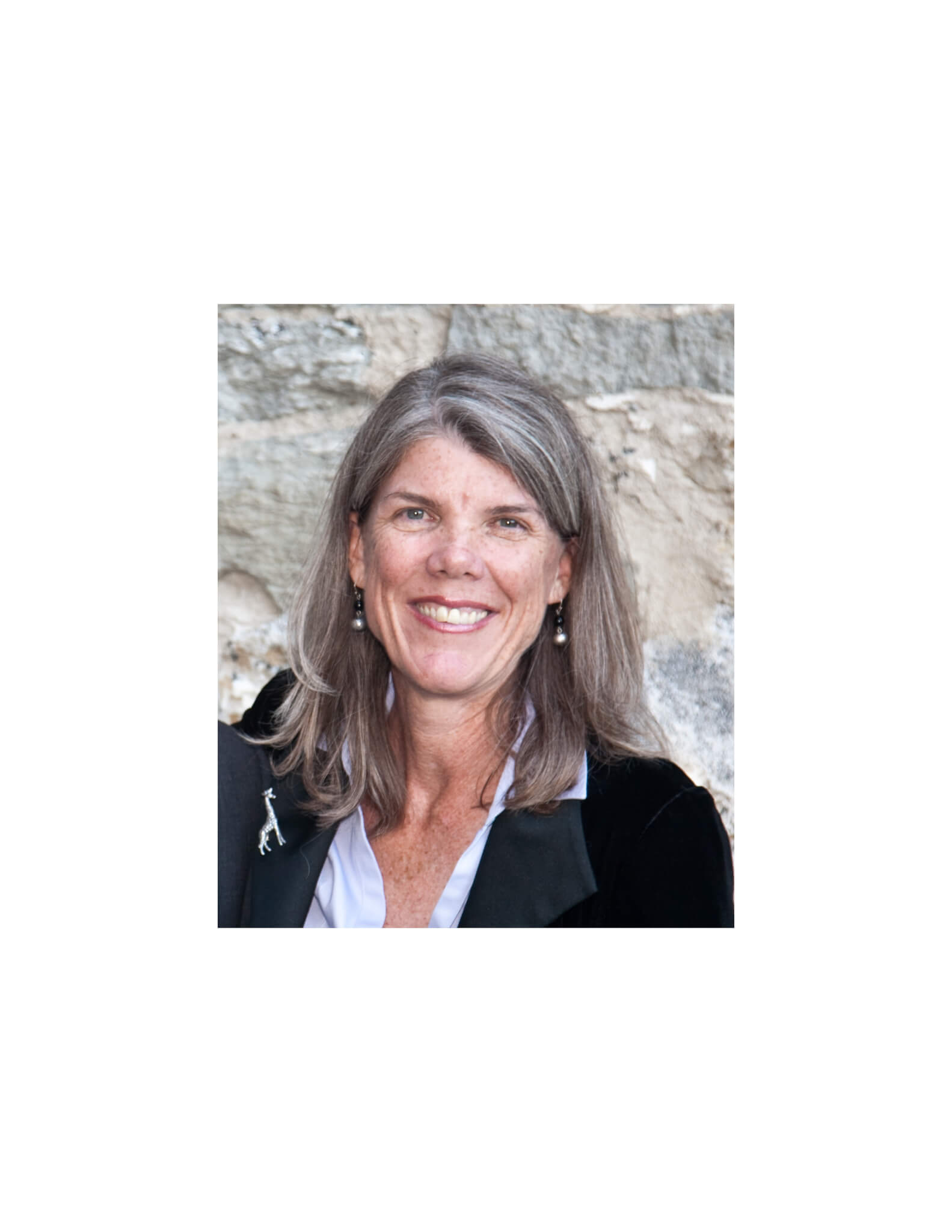
Kim Vanderwall

Brina Ellison
Suicide Prevention Regional Coordinator, Stellher Human Services
Christie Wisk
Christy Ferrington

Danielle Alida
County/Community Liaison with Blue Cross Blue Shield of Minnesota.

Samantha Axt
Clinical Social Services Supervisor, Washington County Crisis Response Unit
Sarah Richter

Sherray Greene
Human Services Policy Consultant, Behavioral Health Division’s Crisis Response Team

Merri McCarthy
Team Lead for Mobile Crisis, Sanford Health
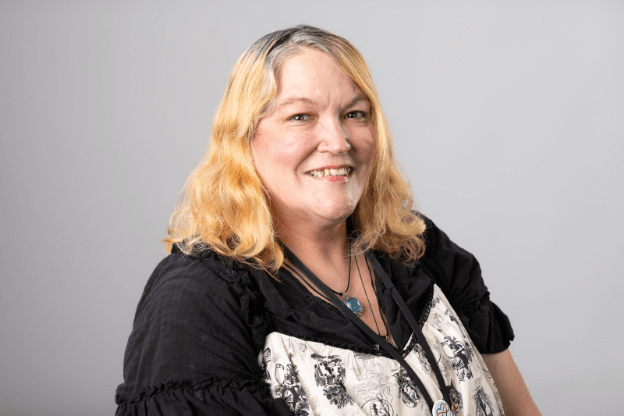
Sara Danielson
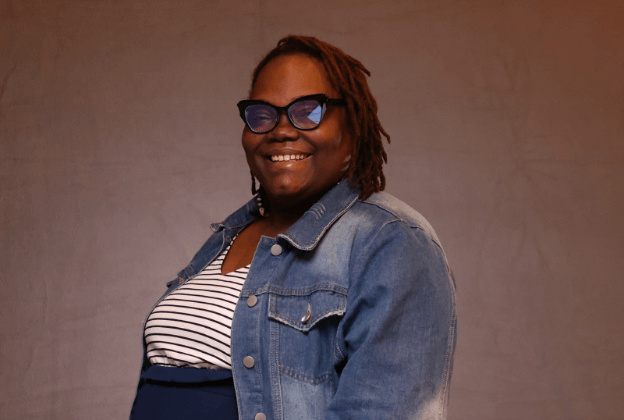
Jacinta Moss
Certified Family Peer Specialist and Peer Recovery Specialist

Sarah Washington